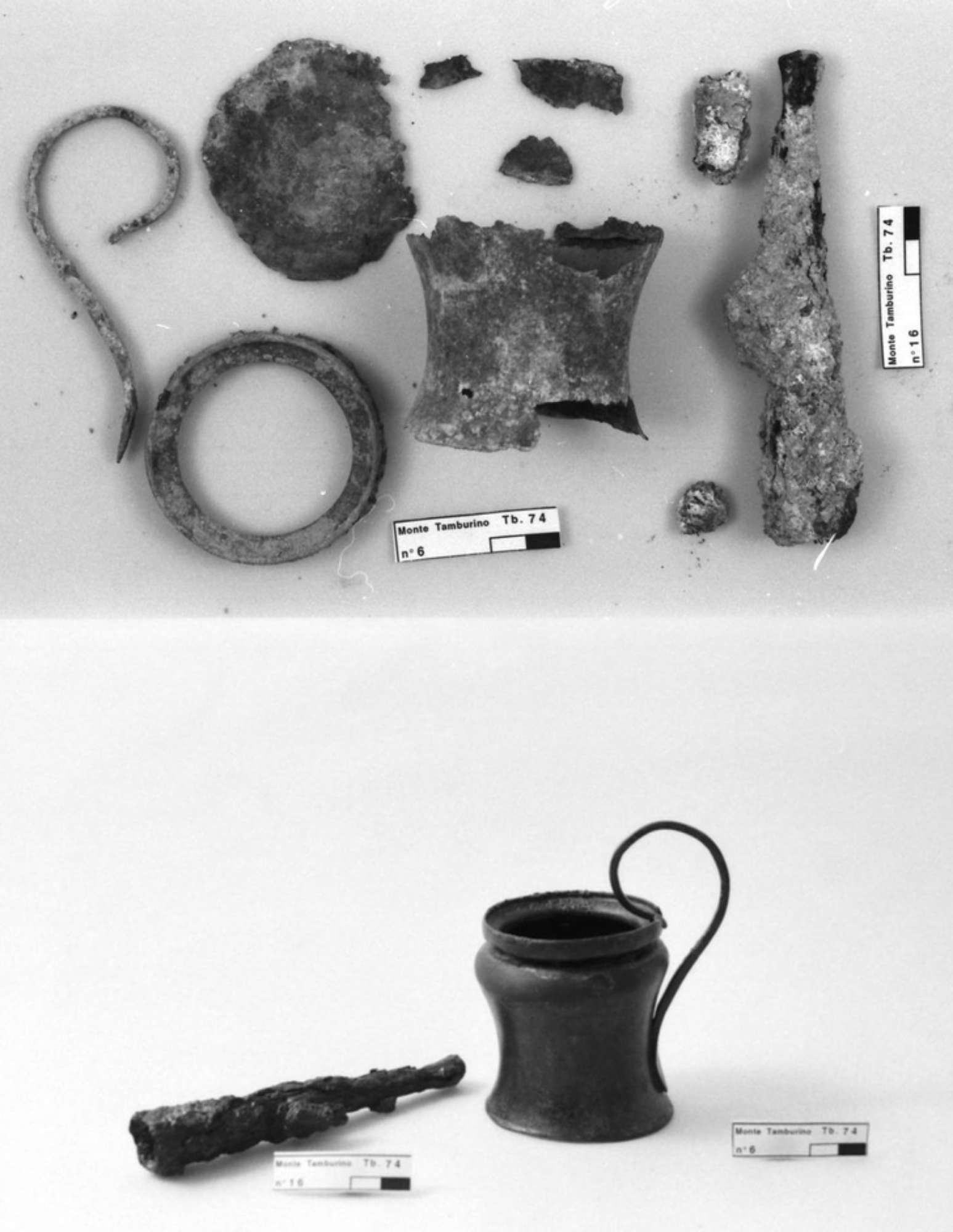
kyathos a rocchetto in bronzo, puntale massiccio in ferro prima del restauro
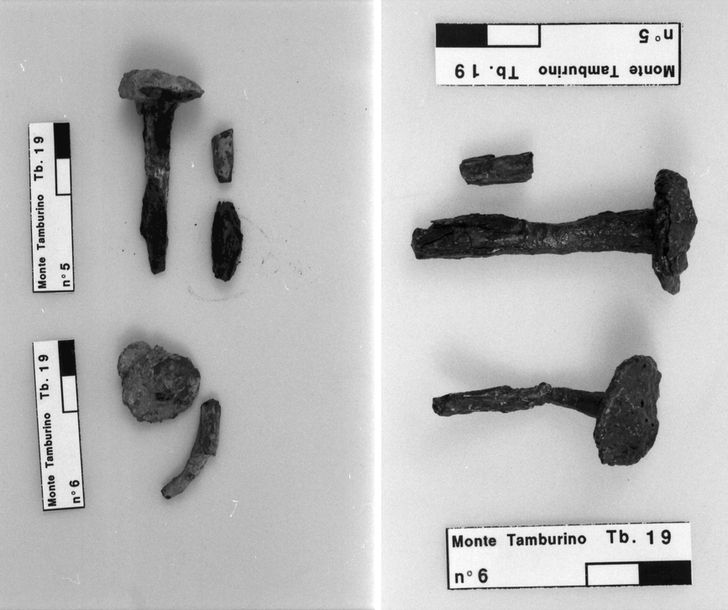
chiodo in ferro in tre frammenti prima e dopo il restauro
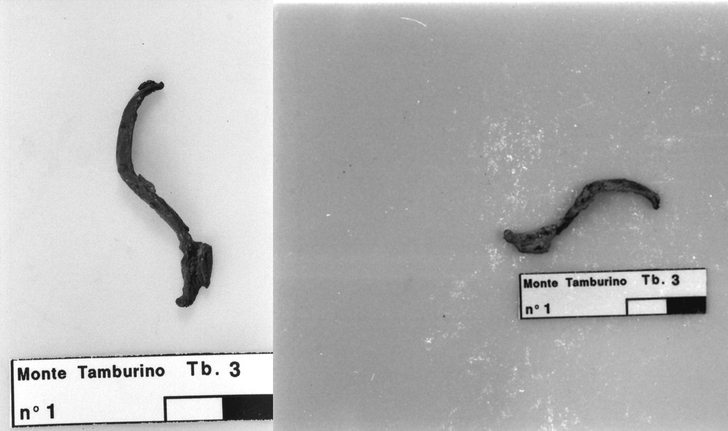
fibula di ferro tipo Certosa prima e dopo il restauro
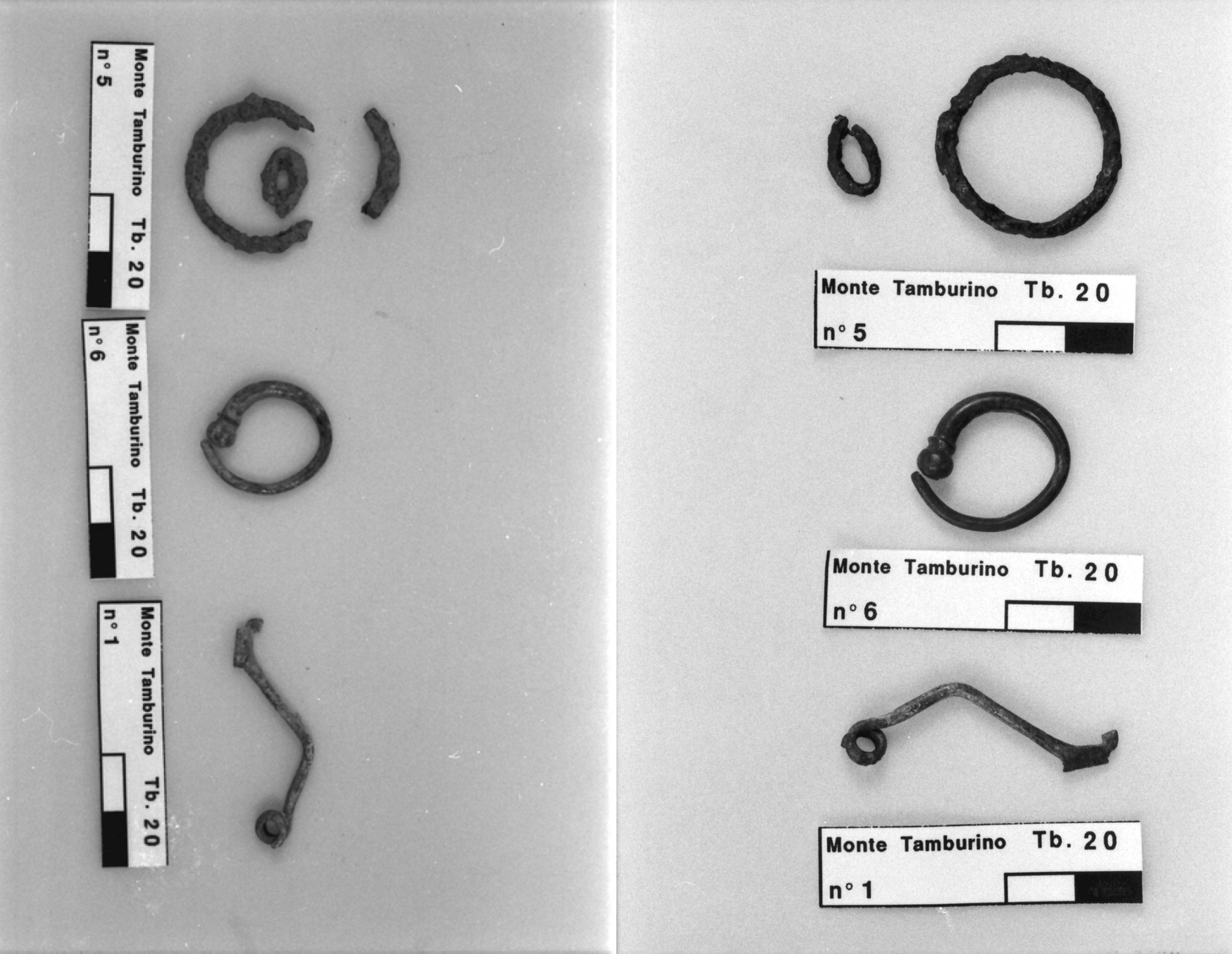
fibula in bronzo tipo Certosa, orecchino di ferro, anello aperto prima e dopo il restauro
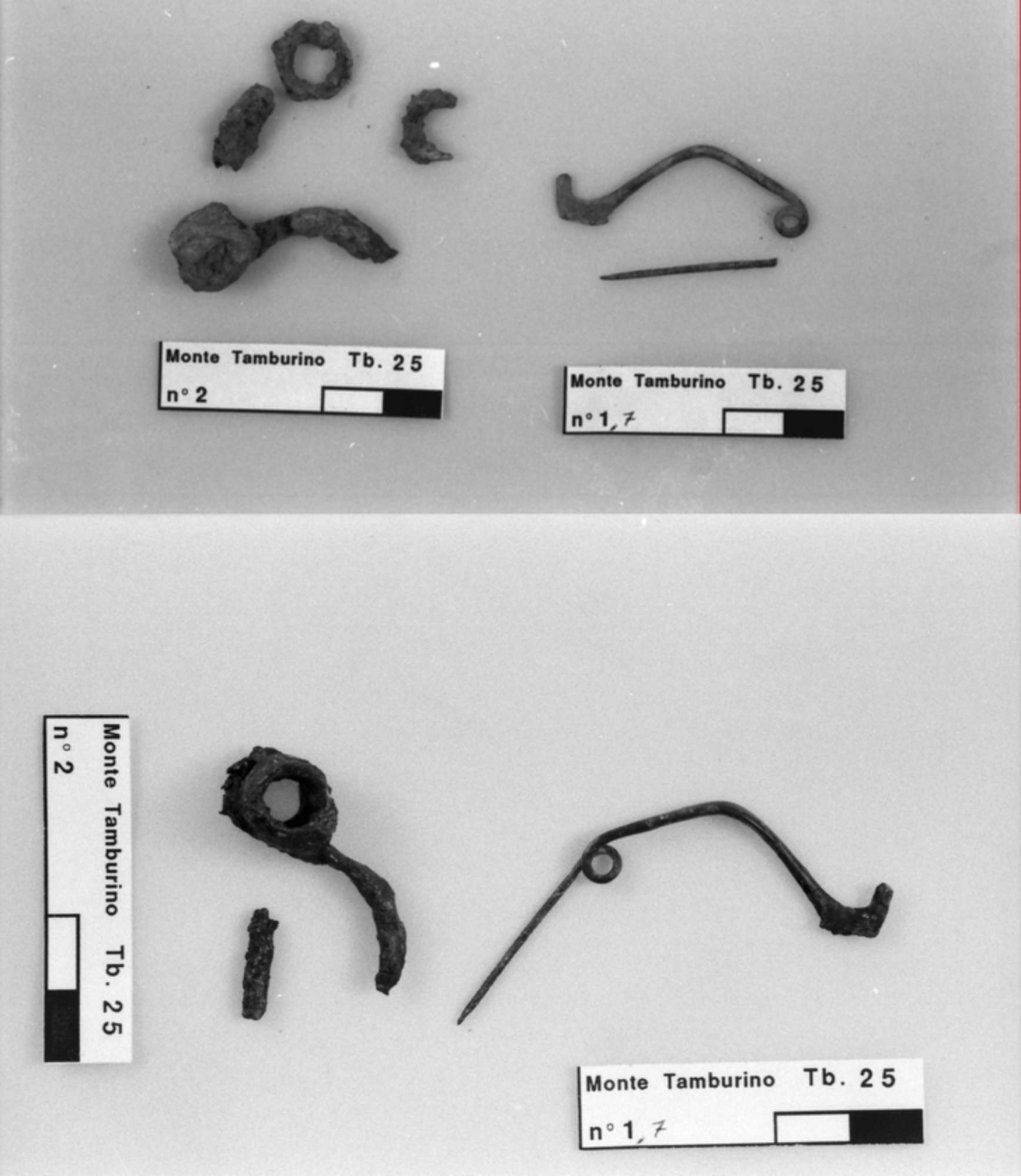
fibula in bronzo con ago e fibula di ferro a molla bilaterale
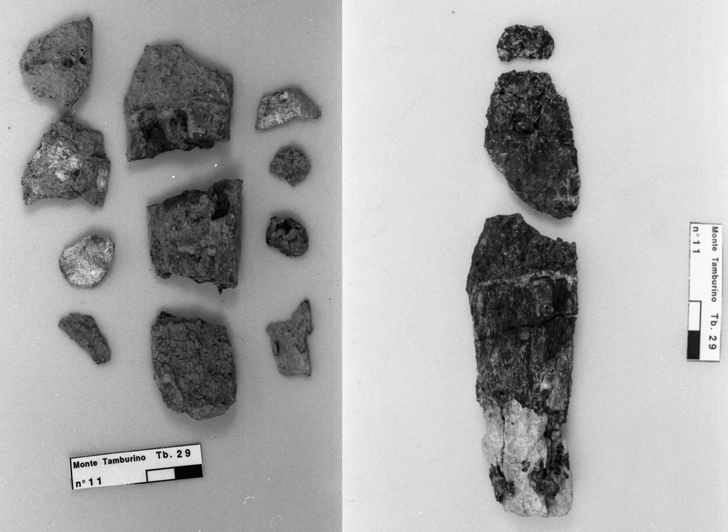
coltello in ferro con manico in legno prima e dopo il restauro
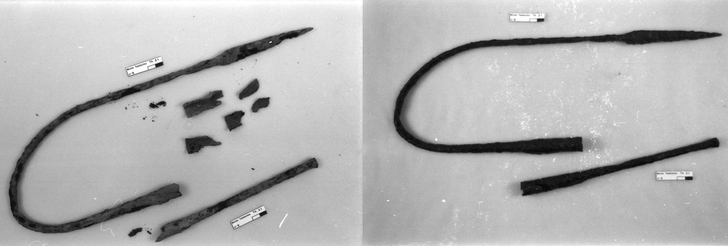
puntale di giavellotto in ferro
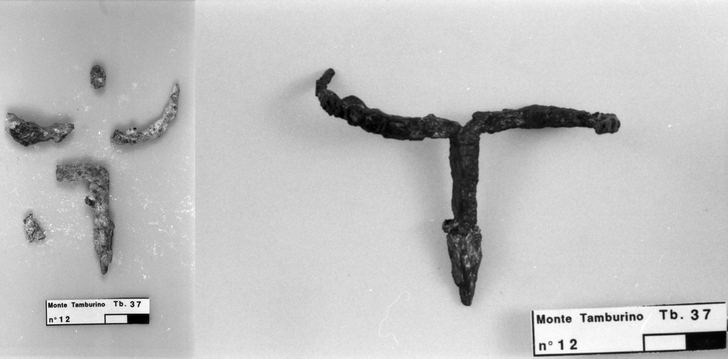
cimasa di candelabro in ferro con sommmità a S prima e dopo il restauro
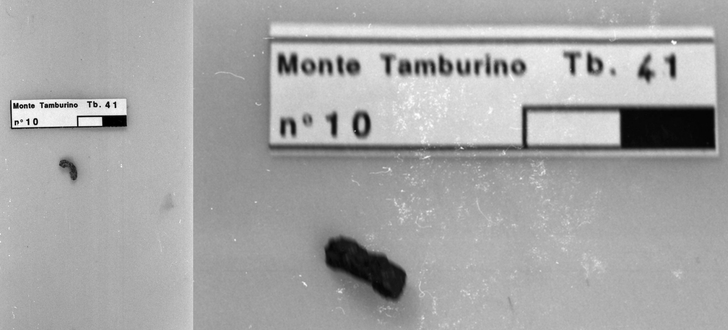
frammento di anellino in ferro prima e dopo il restauro
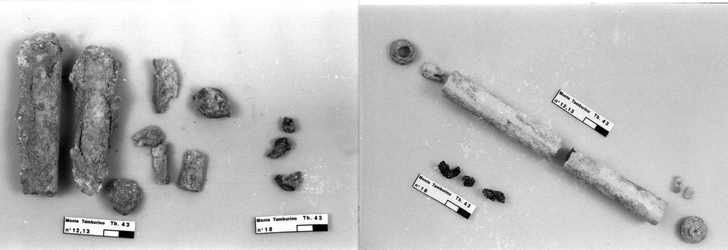
conocchia in osso e fibula in ferro
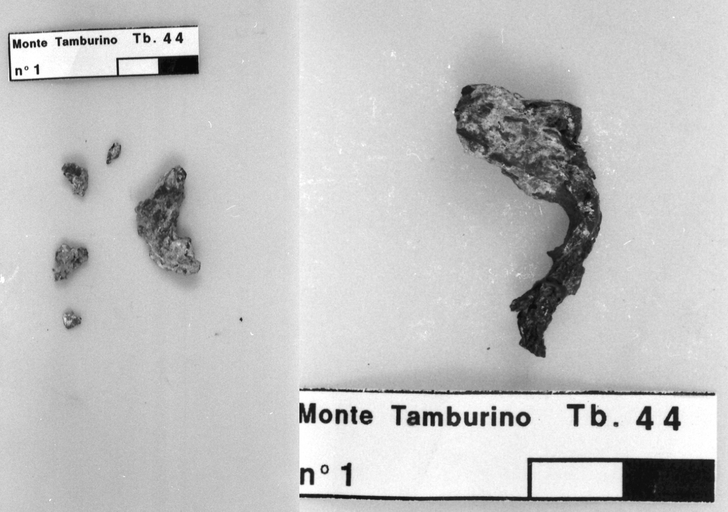
frammento di fibula in ferro prima e dopo il restauro
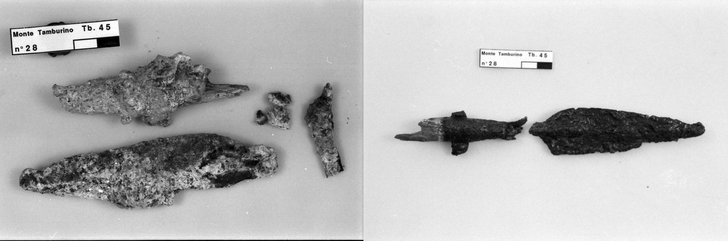
cuspide di lancia in ferro prima e dopo il restauro
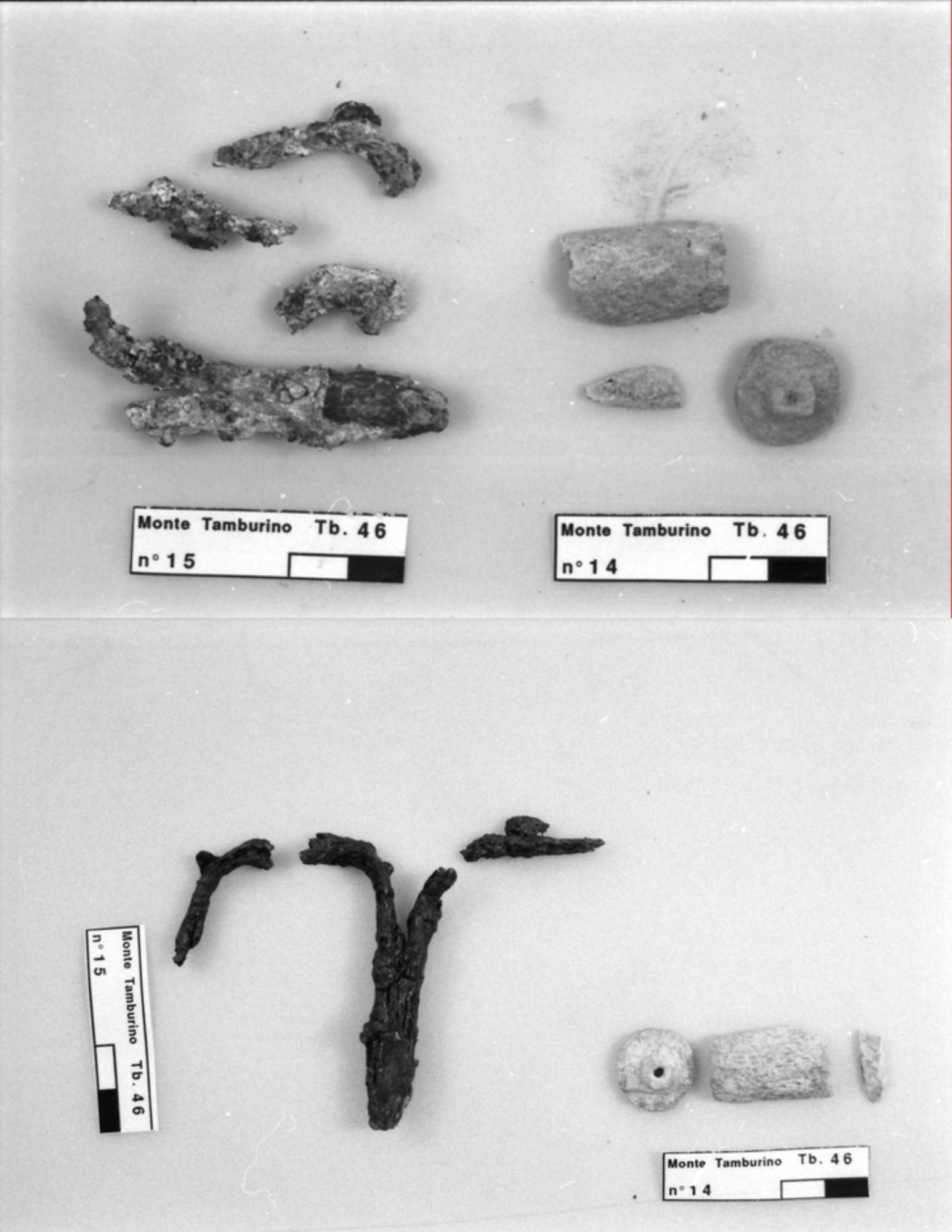
capocchia d'osso della rocca, cimasa di candelabro in ferro prima del restauro
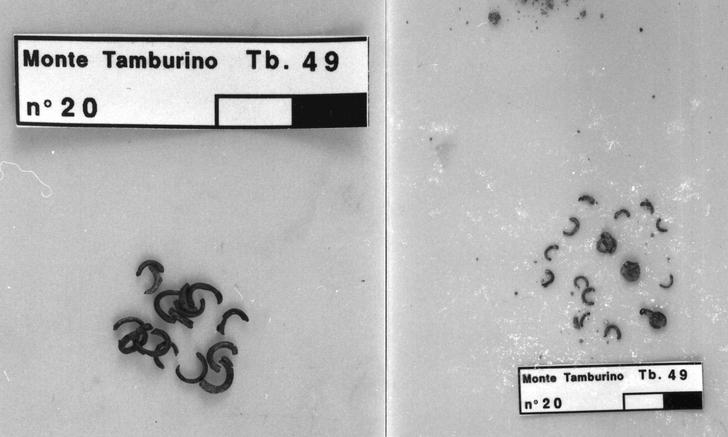
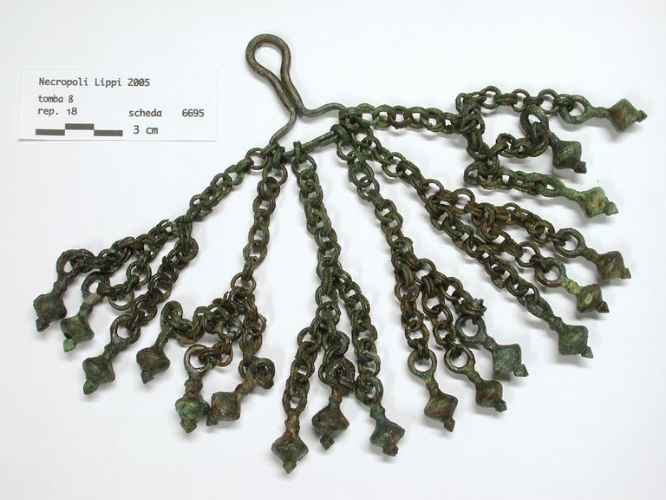
frammento di catenella in bronzo prima del restauro
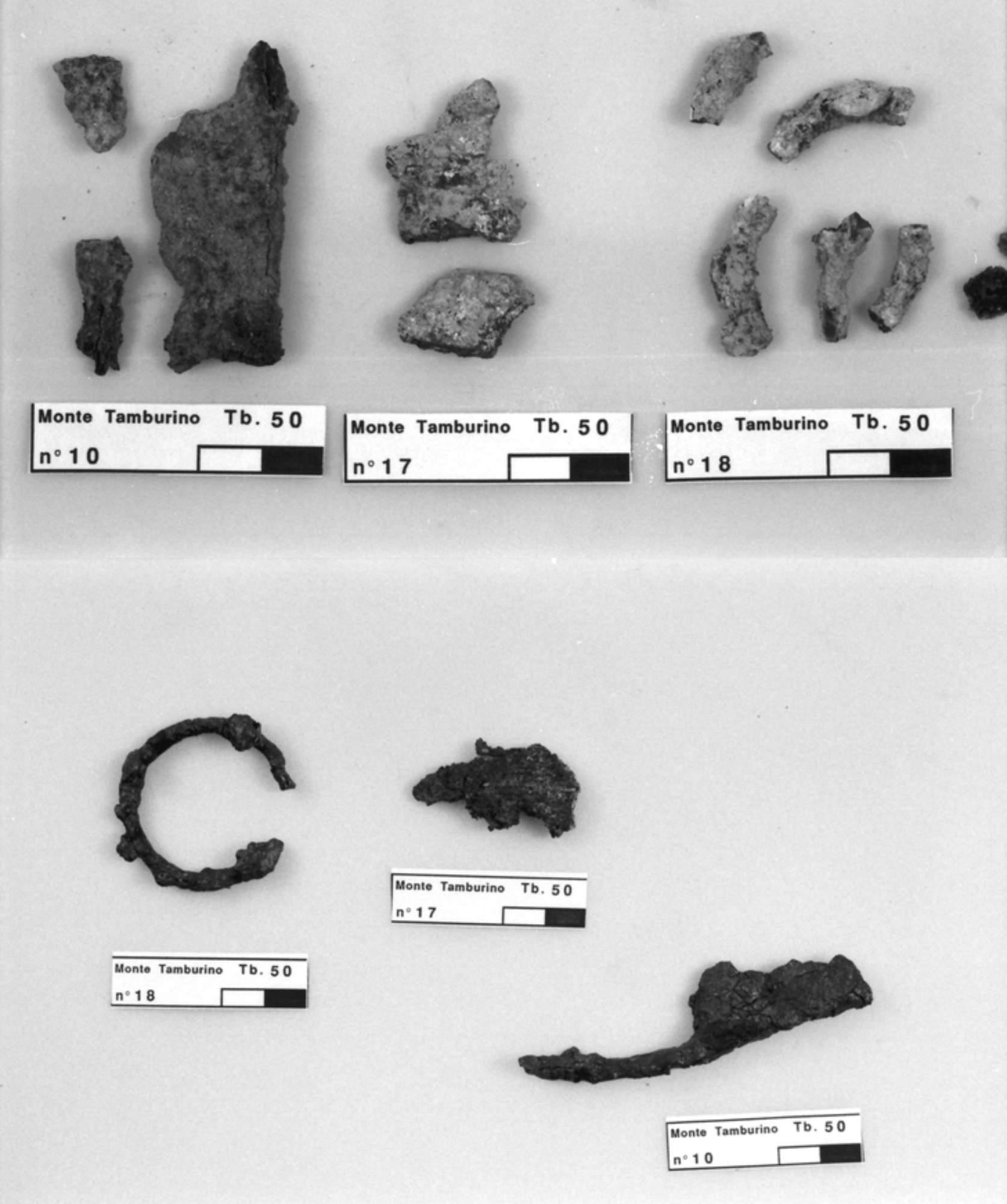
frammento di coltello in ferro, frammenti di lamina in ferro, frammento di braccialetto in ferro ad anello aperto prima del restauro
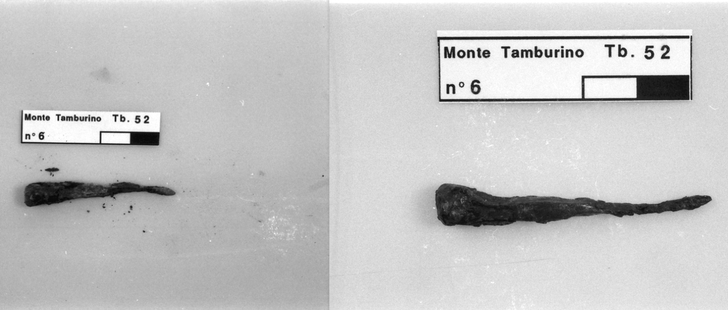
chiodo in ferro prima del restauro
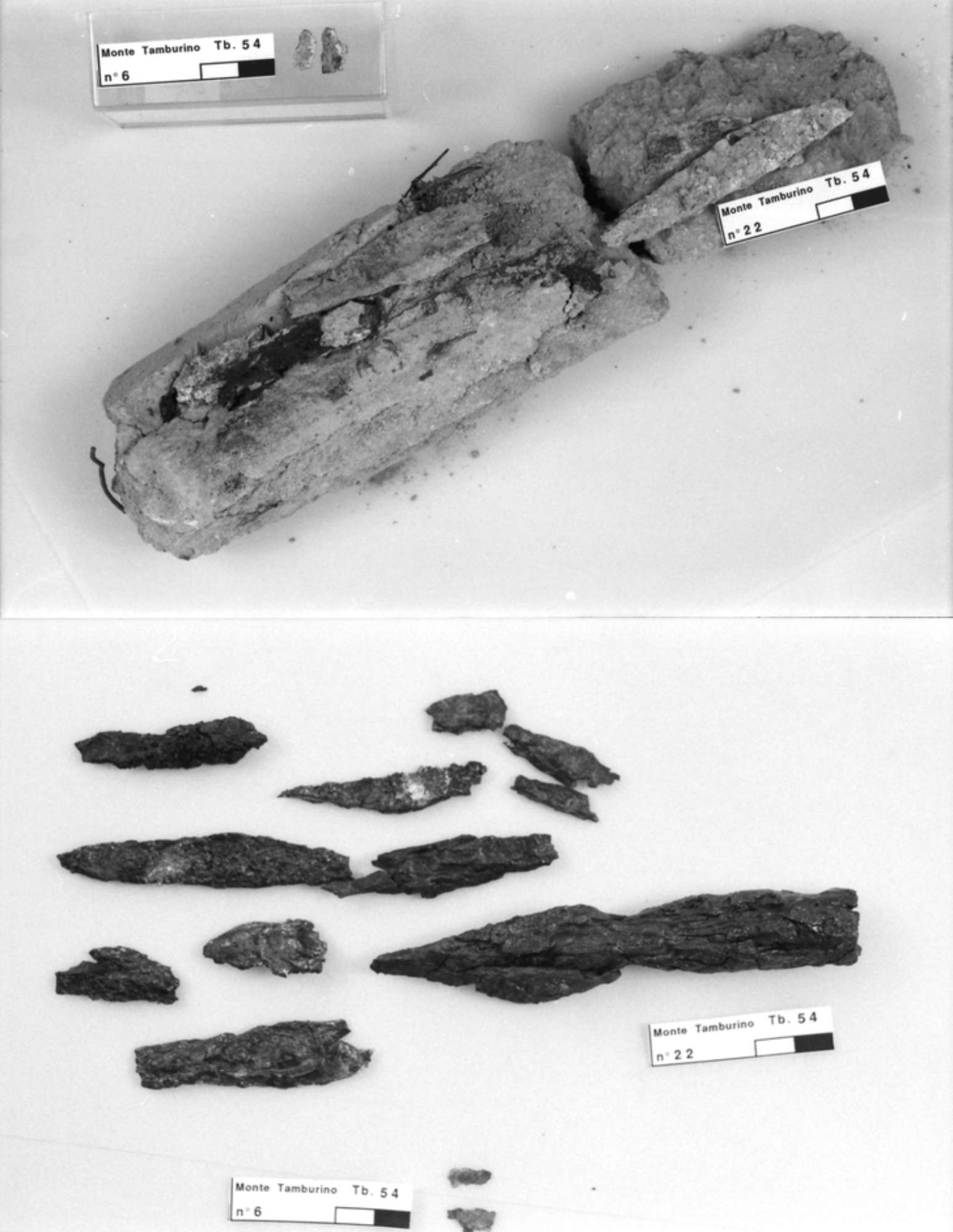
frammento di laminetta in bronzo e cuspide di lancia in ferro prima del restauro
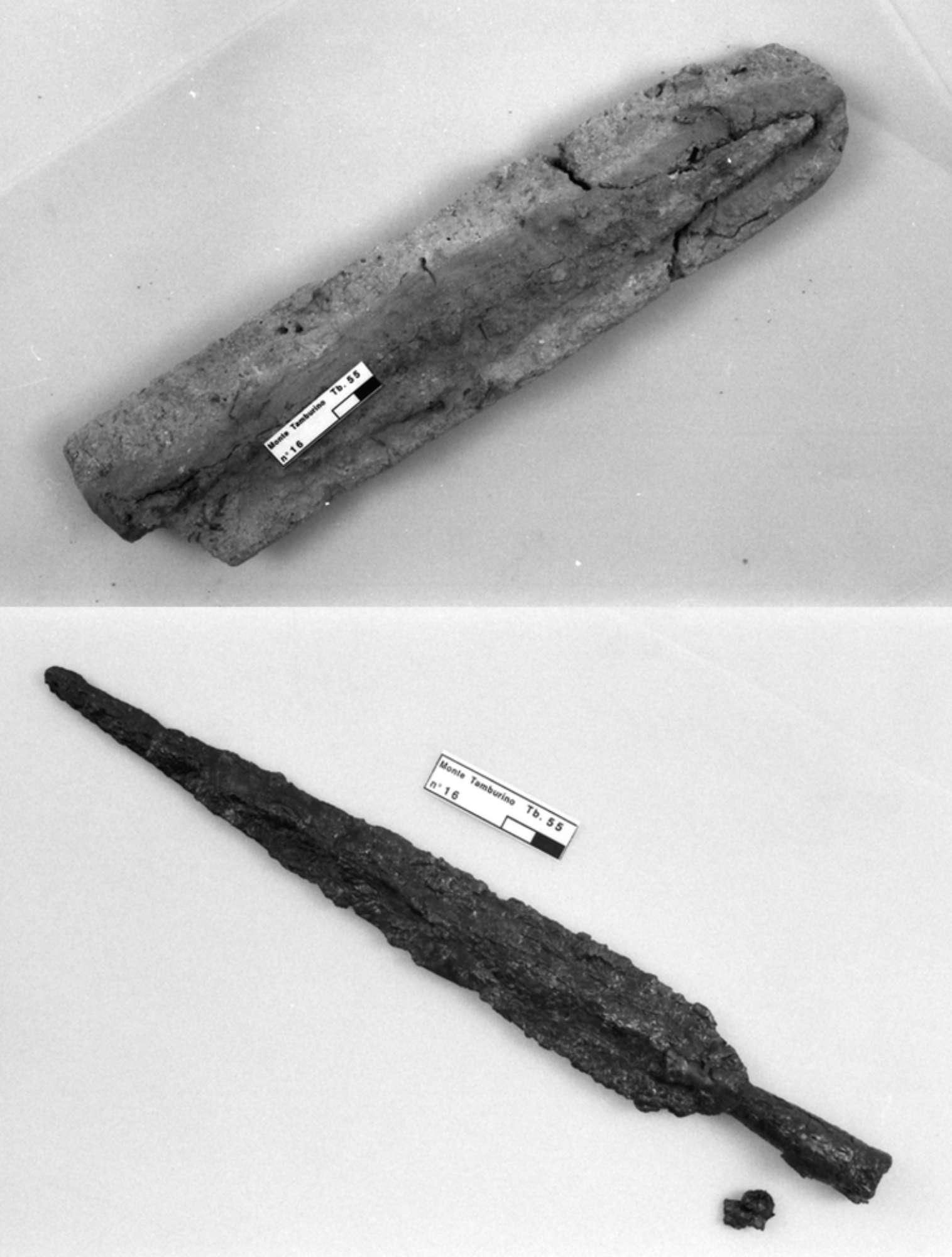
cuspide di lancia in ferro prima del restauro
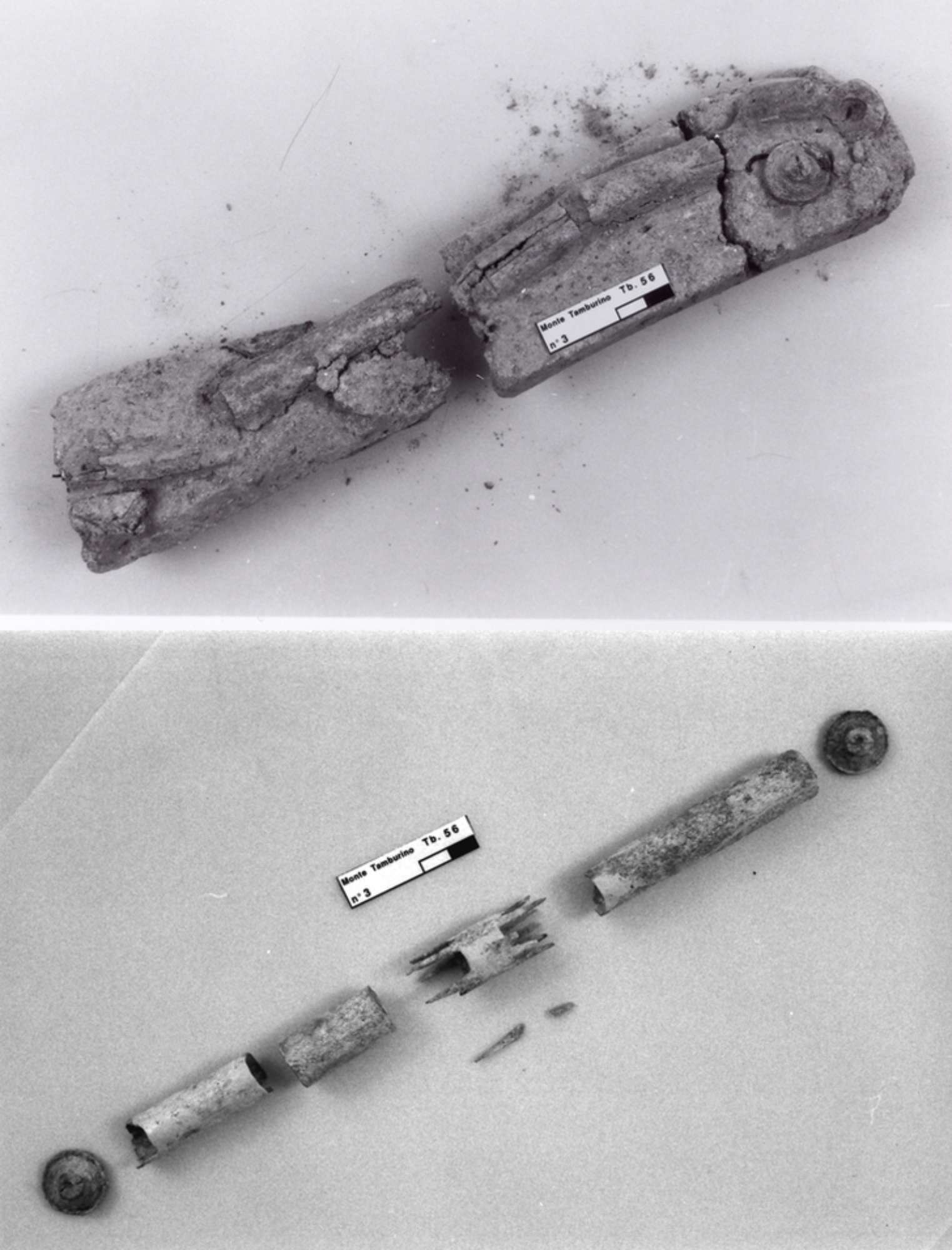
conocchia in osso in frammenti prima del restauro
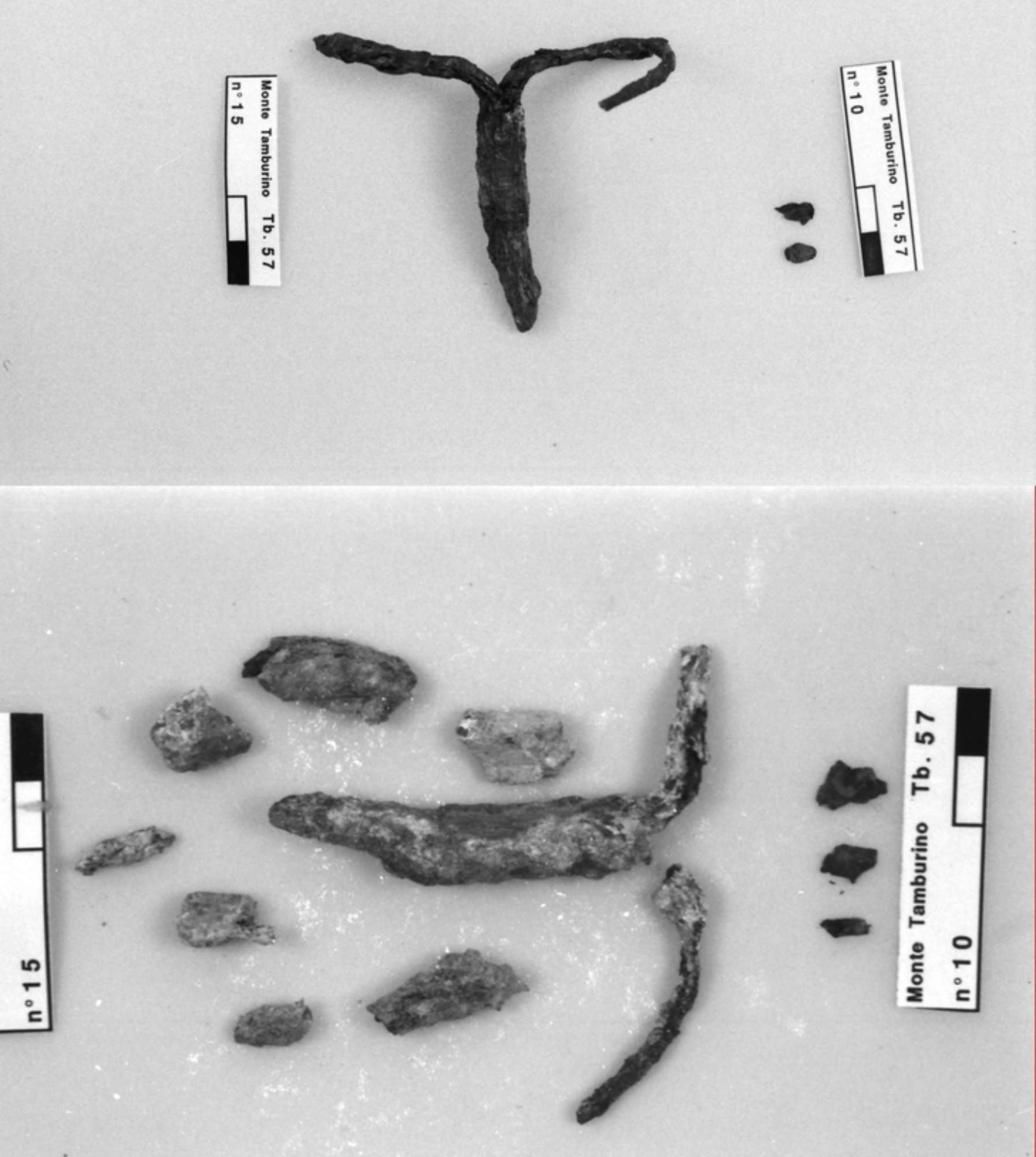
laminetta di bronzo e cimasa di candelabro in ferro prima del restauro
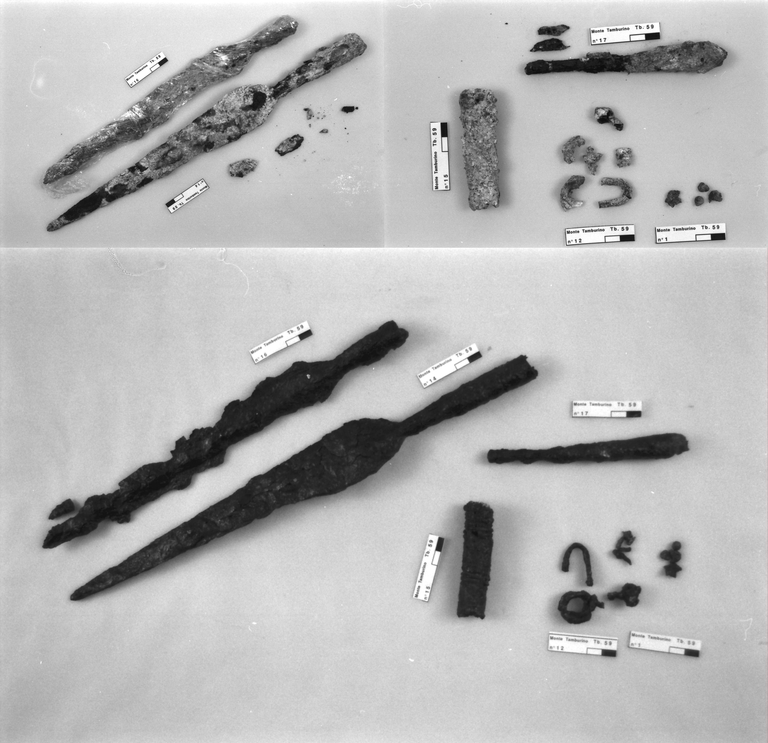
grumo di bronzo, fibula di ferro, puntale di lancia in ferro, puntale di lancia in ferro prima e dopo il restauro
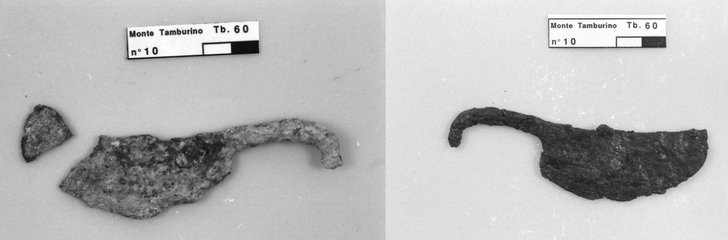
coltello-rasoio in ferro prima del restauro
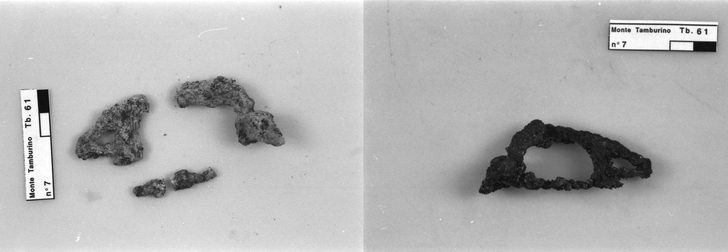
fibula in ferro prima del restauro
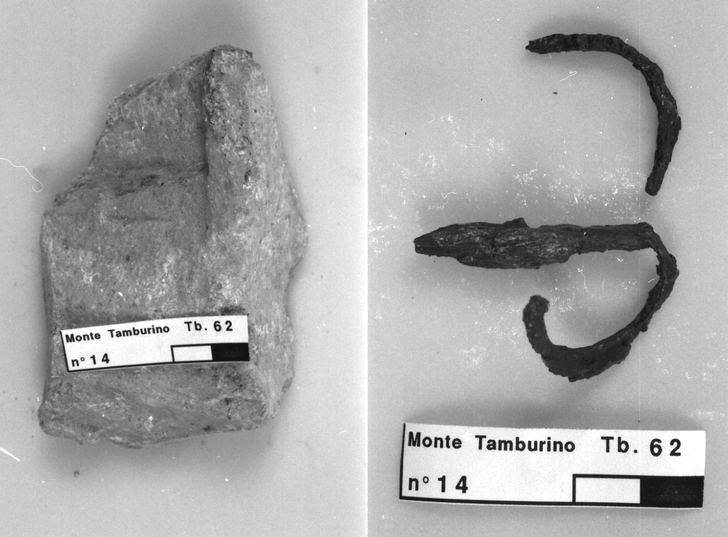
cimasa di candelabro in ferro prima del restauro
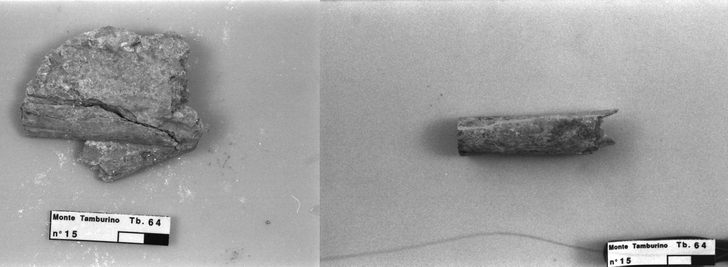
conocchia d'osso a segmenti lavorati a denti di lupo prima del restauro
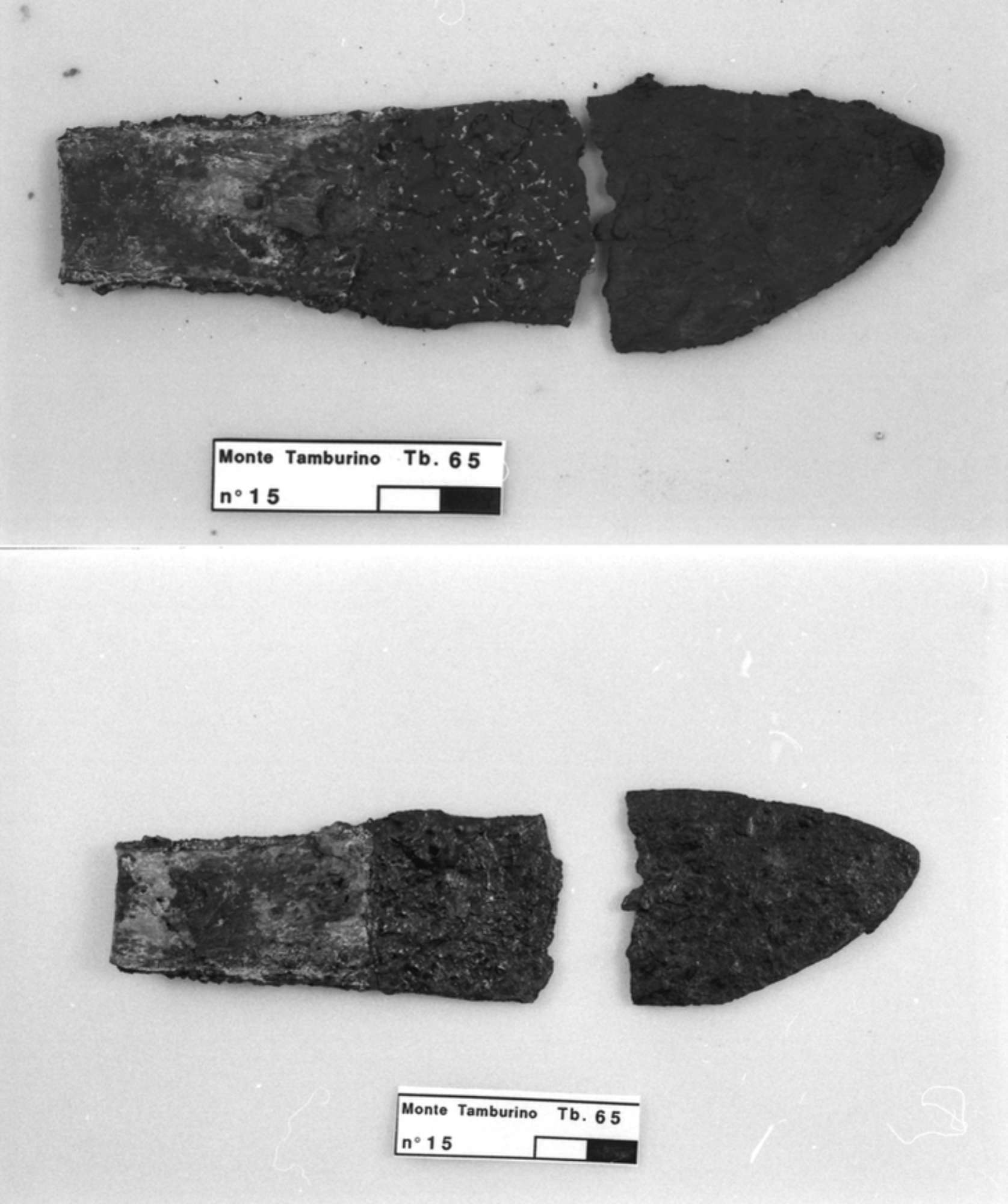
lama di coltello in ferro prima del restauro
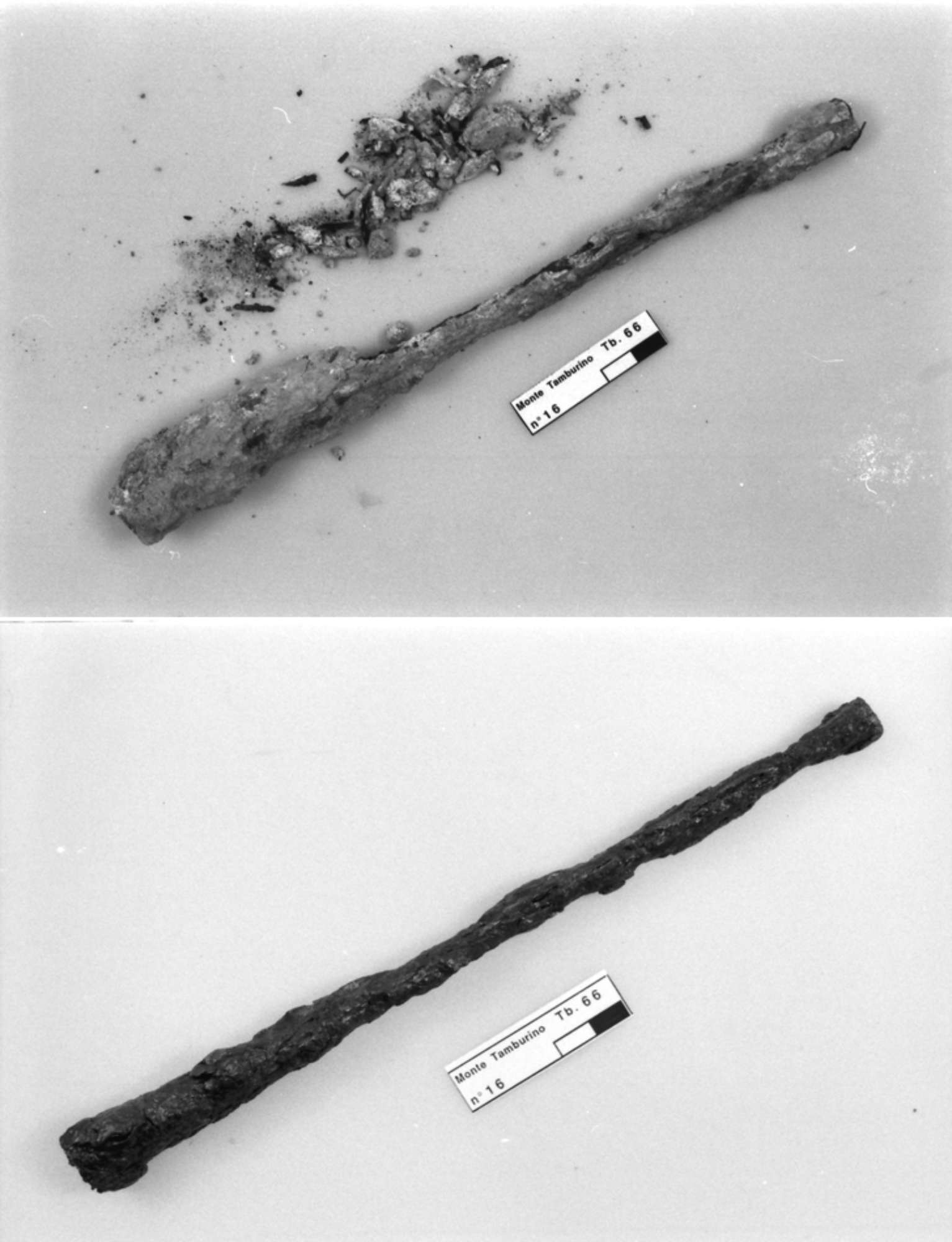
puntale massiccio in ferro prima del restauro
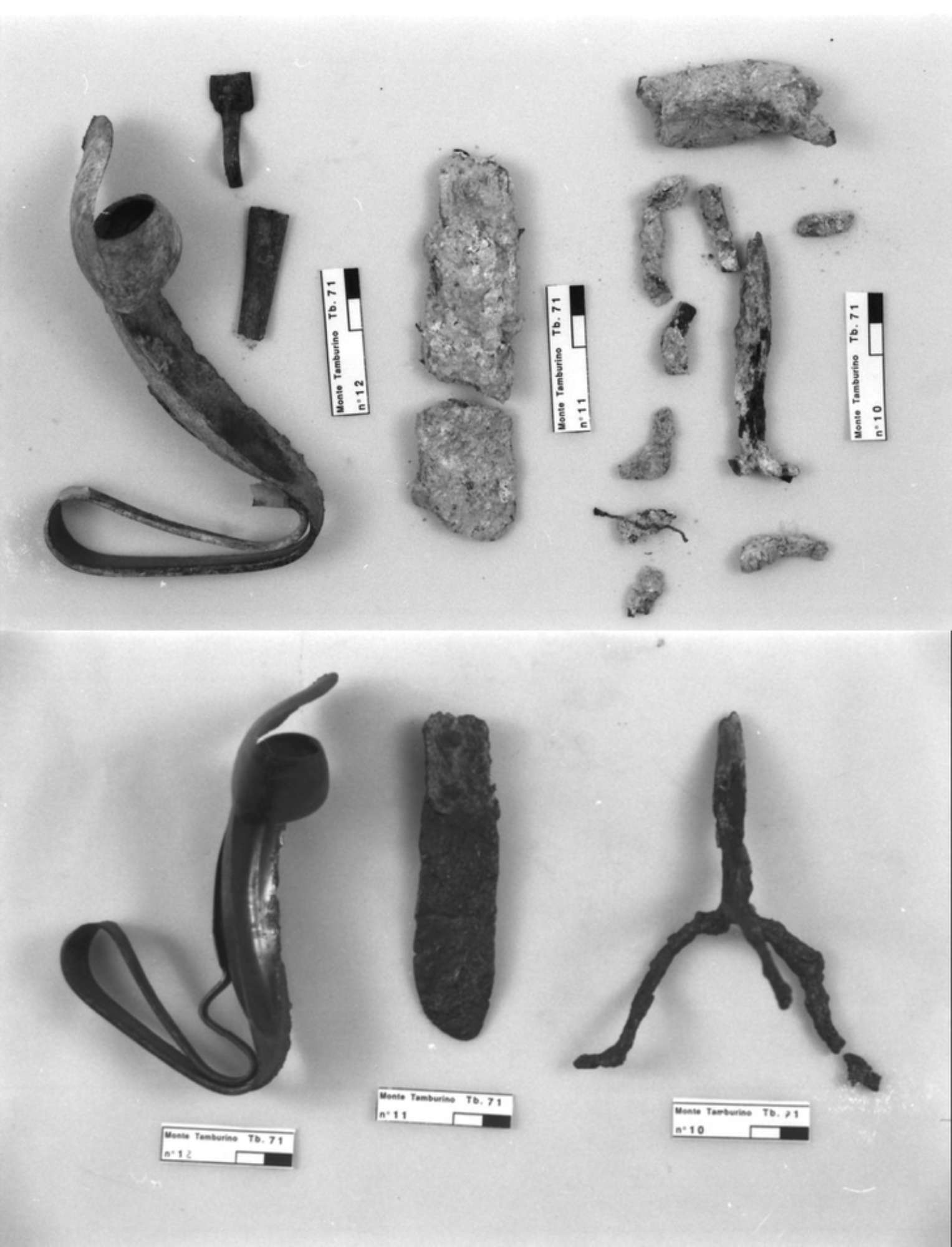
cimasa in ferro, coltello in ferro, strigile in bronzo prima del restauro
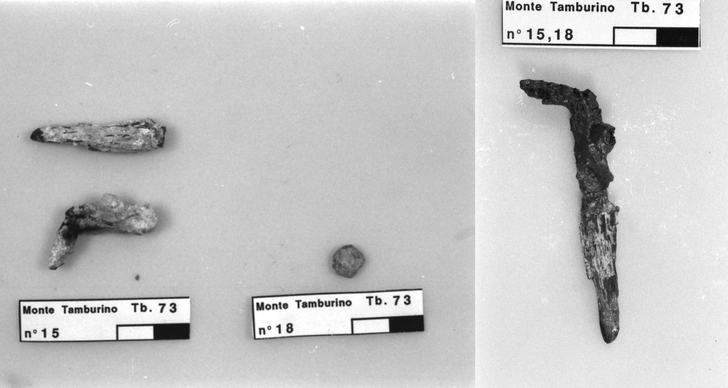
cimasa di candelabro in ferro, frammento di ferro prima del restauro
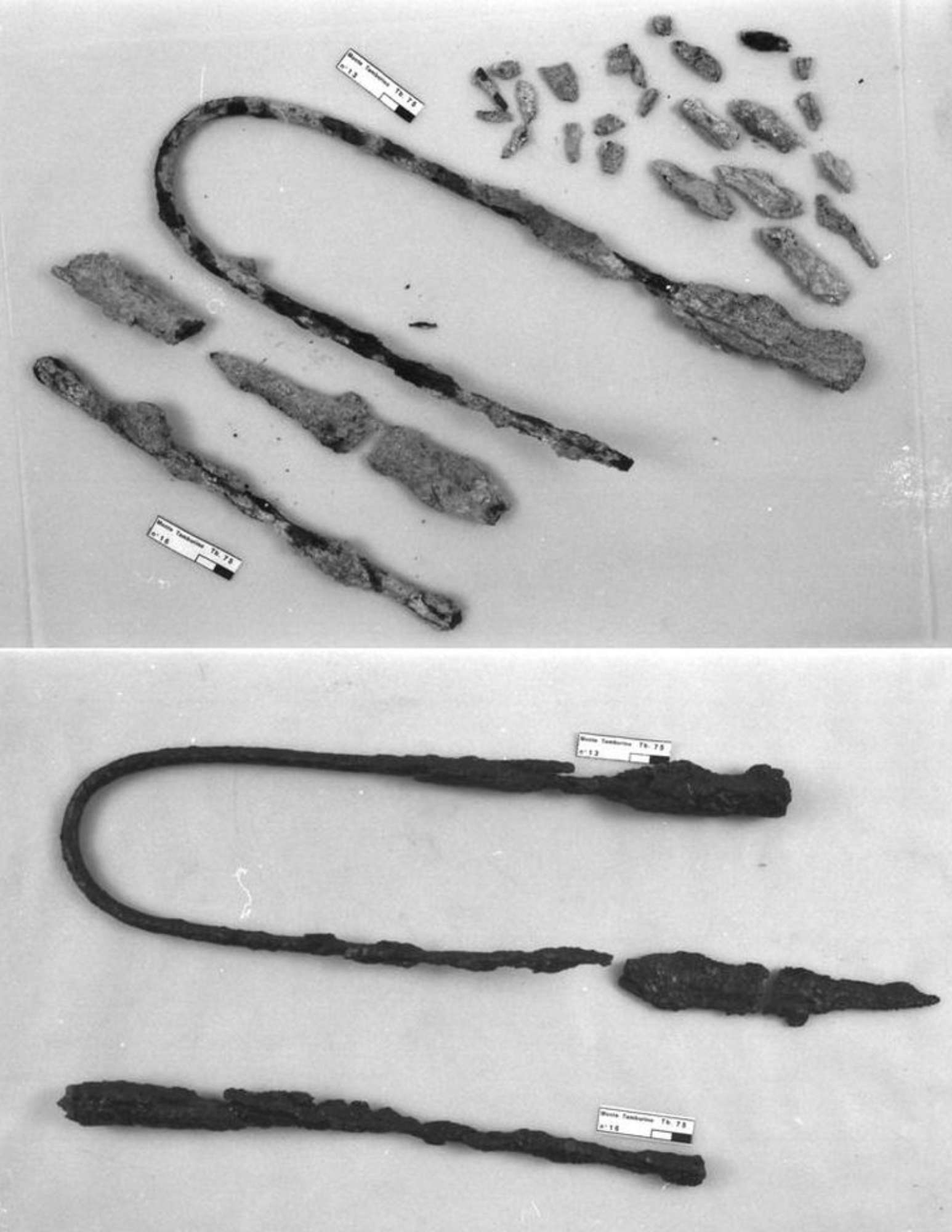
cuspide di giavellotto in ferro, puntale di giavellotto in ferro prima del restauro

fibula in bronzo, fibula in bronzo con frammenti di catenella e perla ambra, fibula bronzo con catenella e ago di un'altra fibula, fibula bronzo con anello e frammento di catenella, frammento di catenella, perle in ambra prima restauro
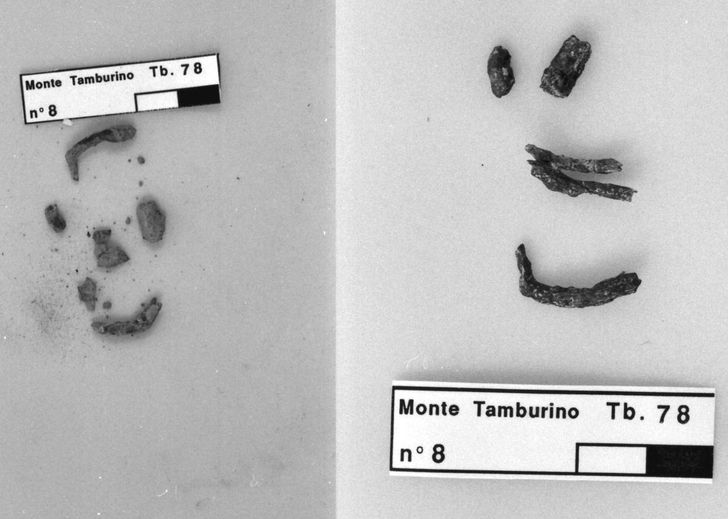
frammento di fibula in ferro prima del restauro
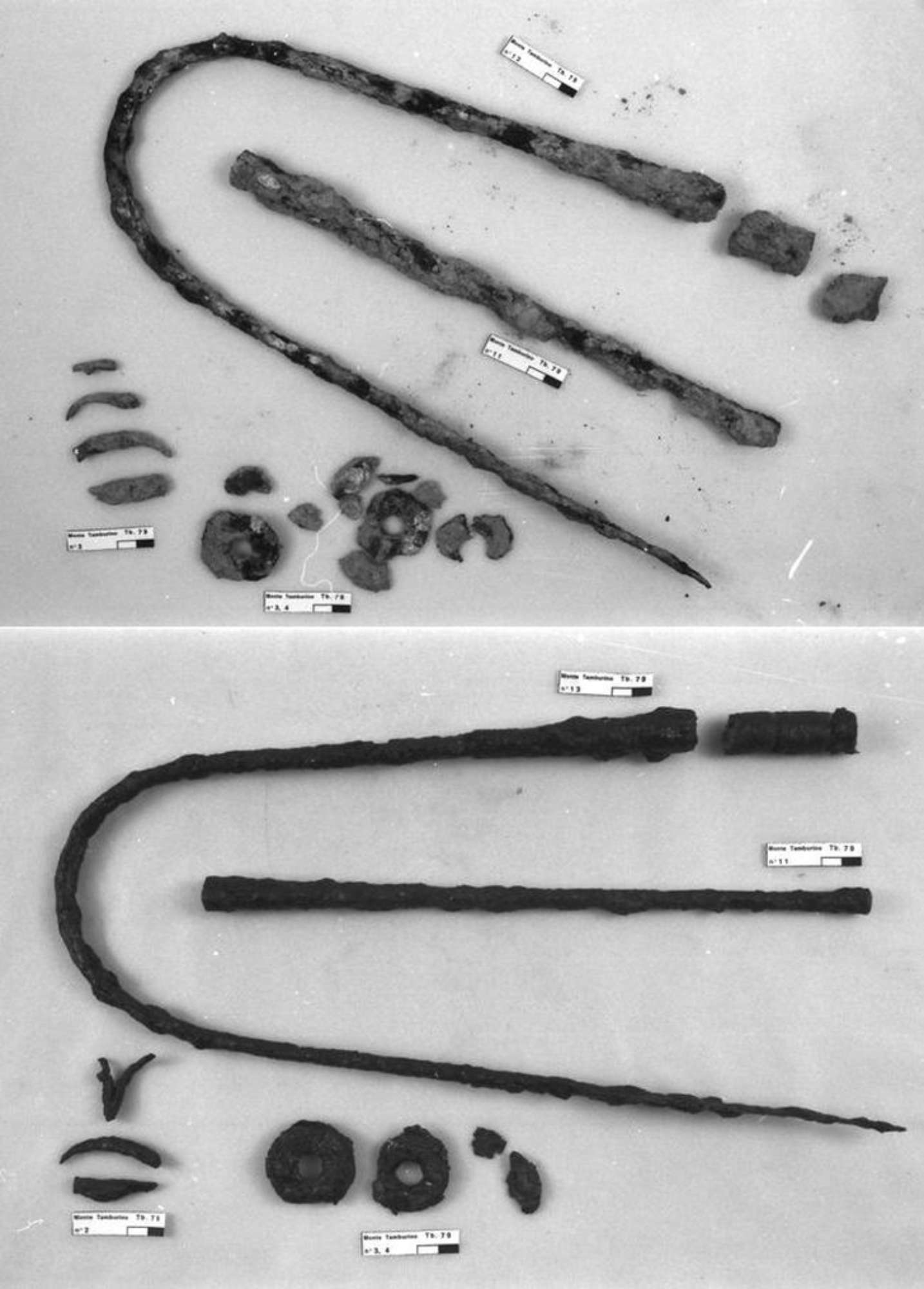
cimasa di candelabro in ferro, anelli di cinturone in ferro, puntale di pilum in ferro, cuspide di pilum in ferro prima del restauro
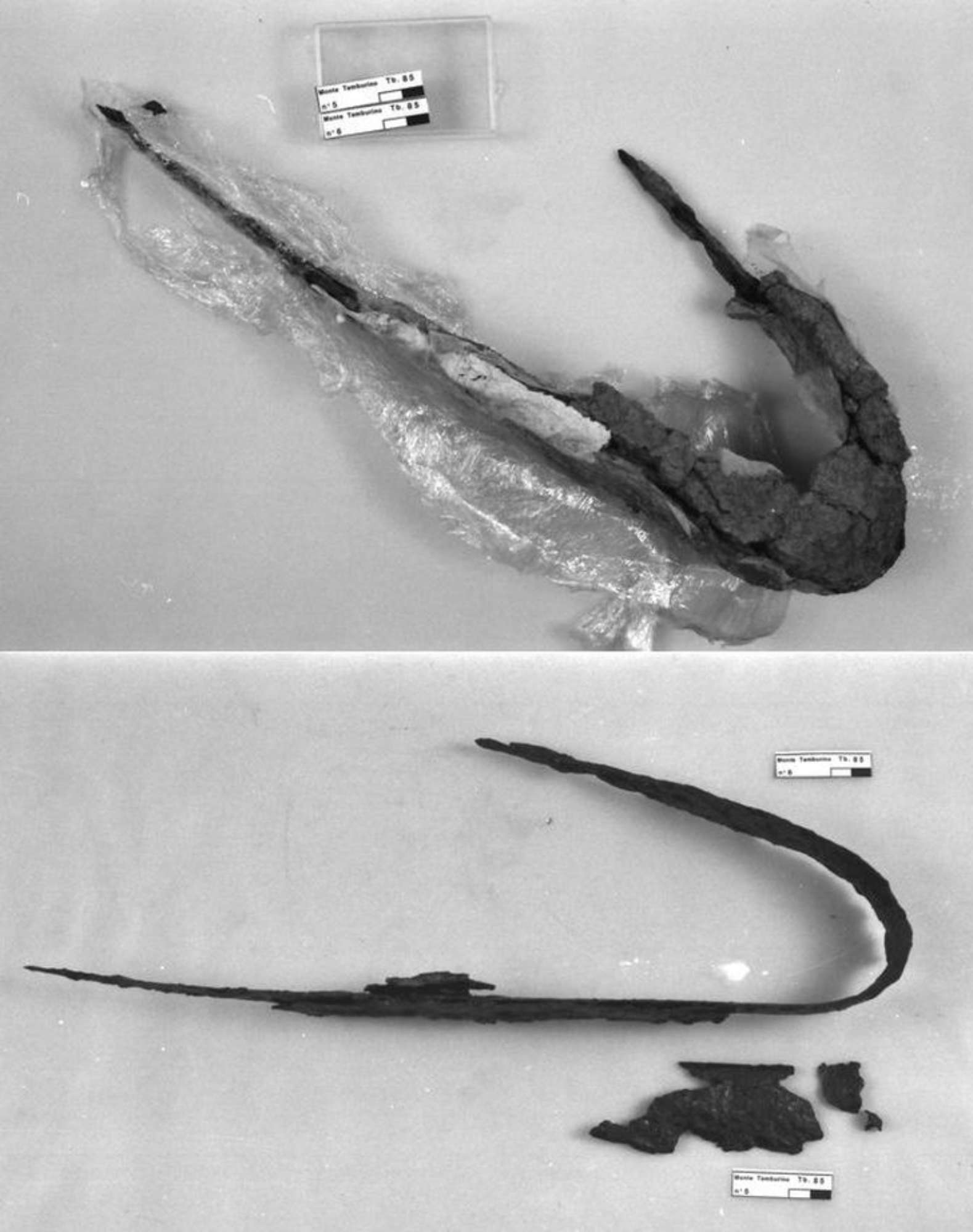
fodero in ferro, lama di spada in ferro prima del restauro
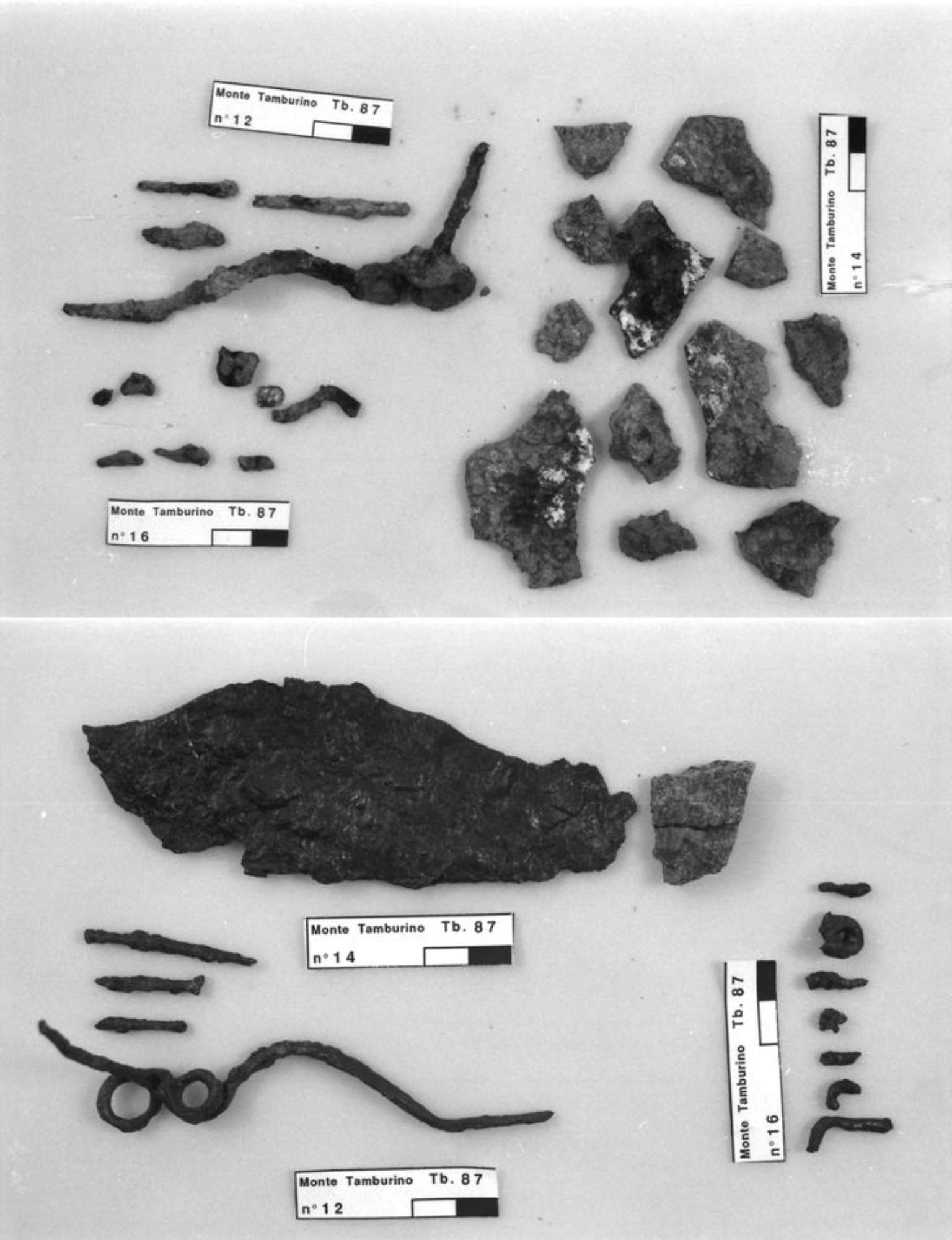
fibula in ferro, coltello in ferro in frammenti, fibula in ferro in frammenti prima del restauro
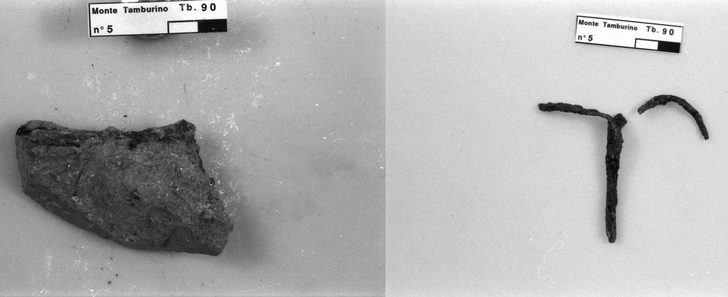
cimasa di candelabro in ferro prima del restauro
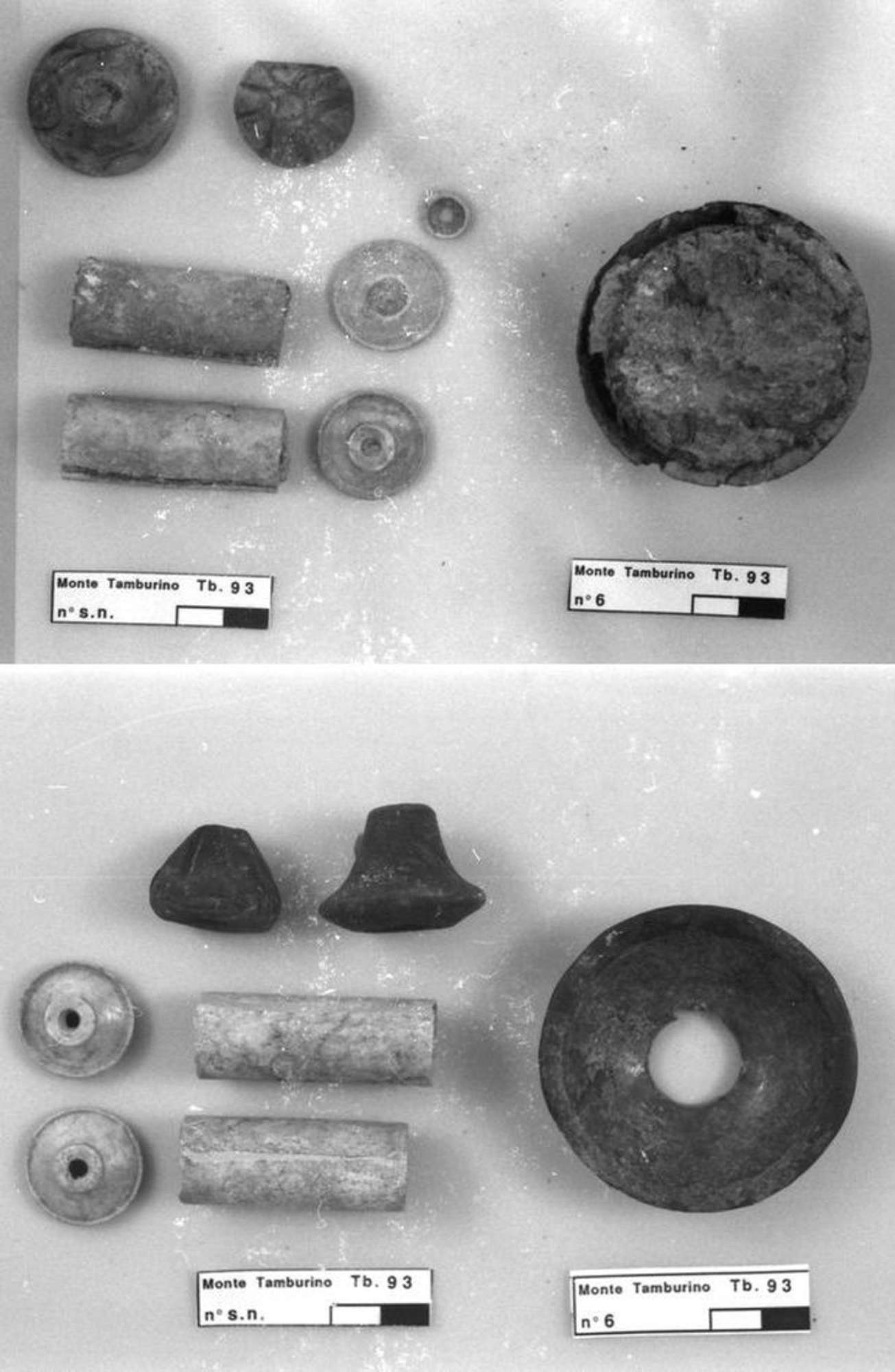
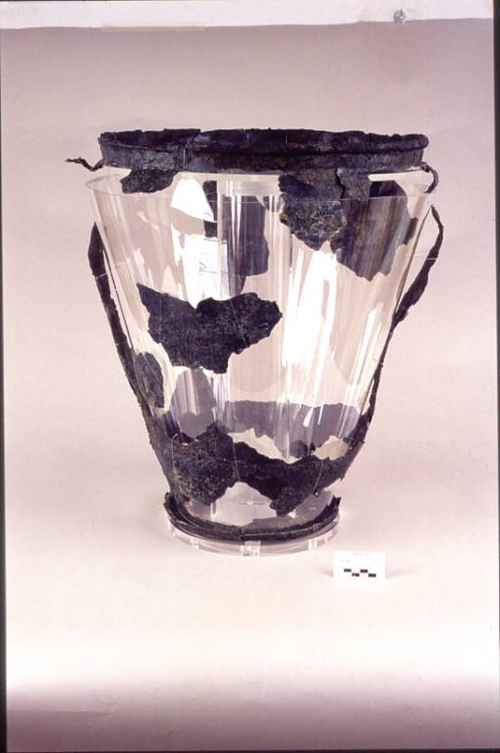
conocchia in osso,due fusaiole, imboccatura di vaso a gabbia in bronzo prima del restauro
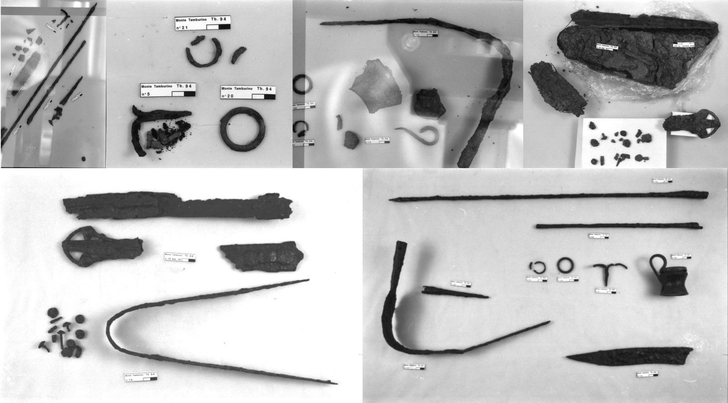
cimasa di candelabro in ferro, coltello in ferro, cuspide di pilum in ferro i due frammenti, tallone di lancia in ferro, puntale di giavellotto in ferro prima del restauro
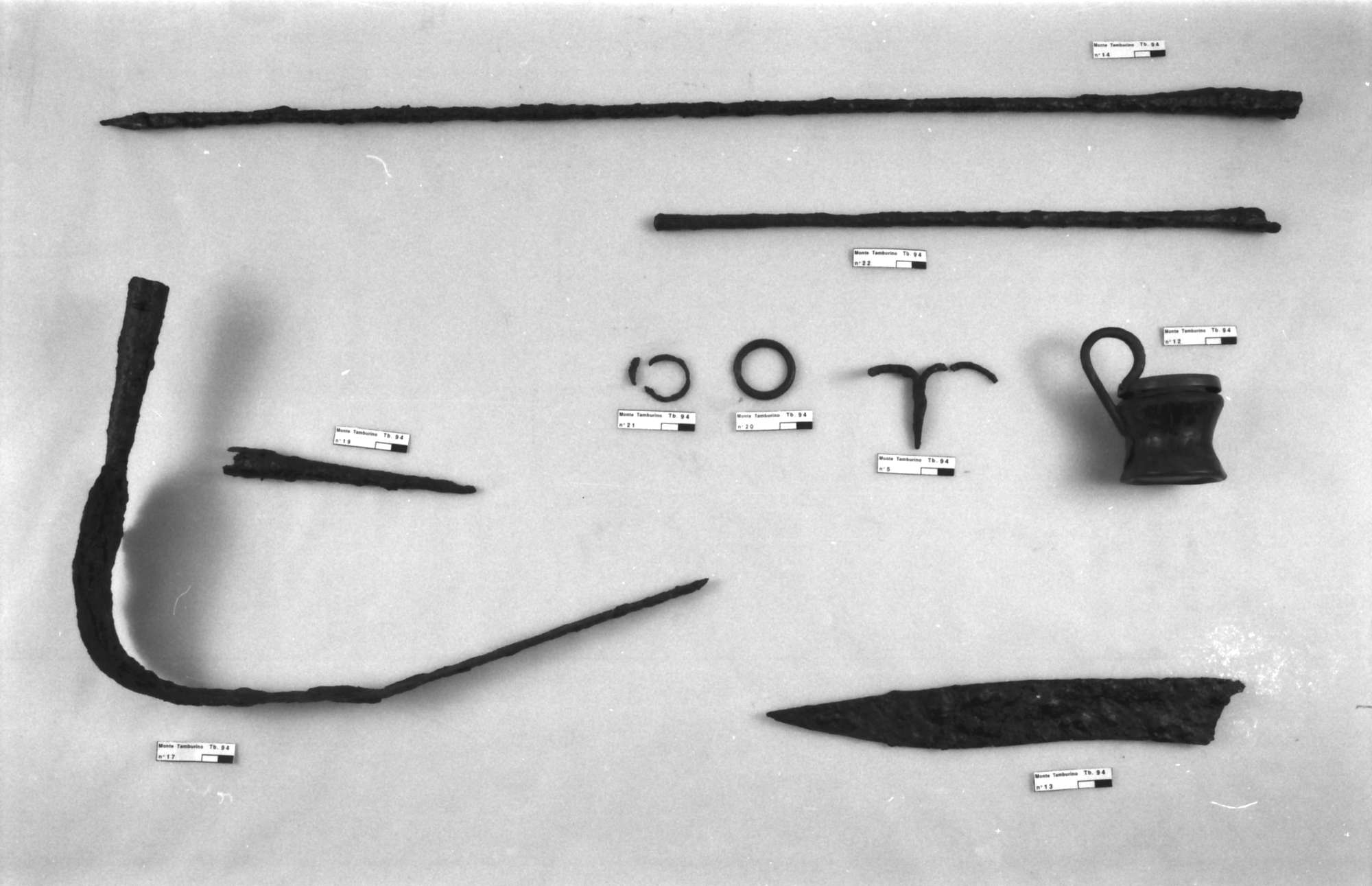
cimasa di candelabro,kyathos,coltello,cuspide di pilum,cuspide di lancia,tallone di lancia,anello,anello,puntale di giavellotto dopo il restauro
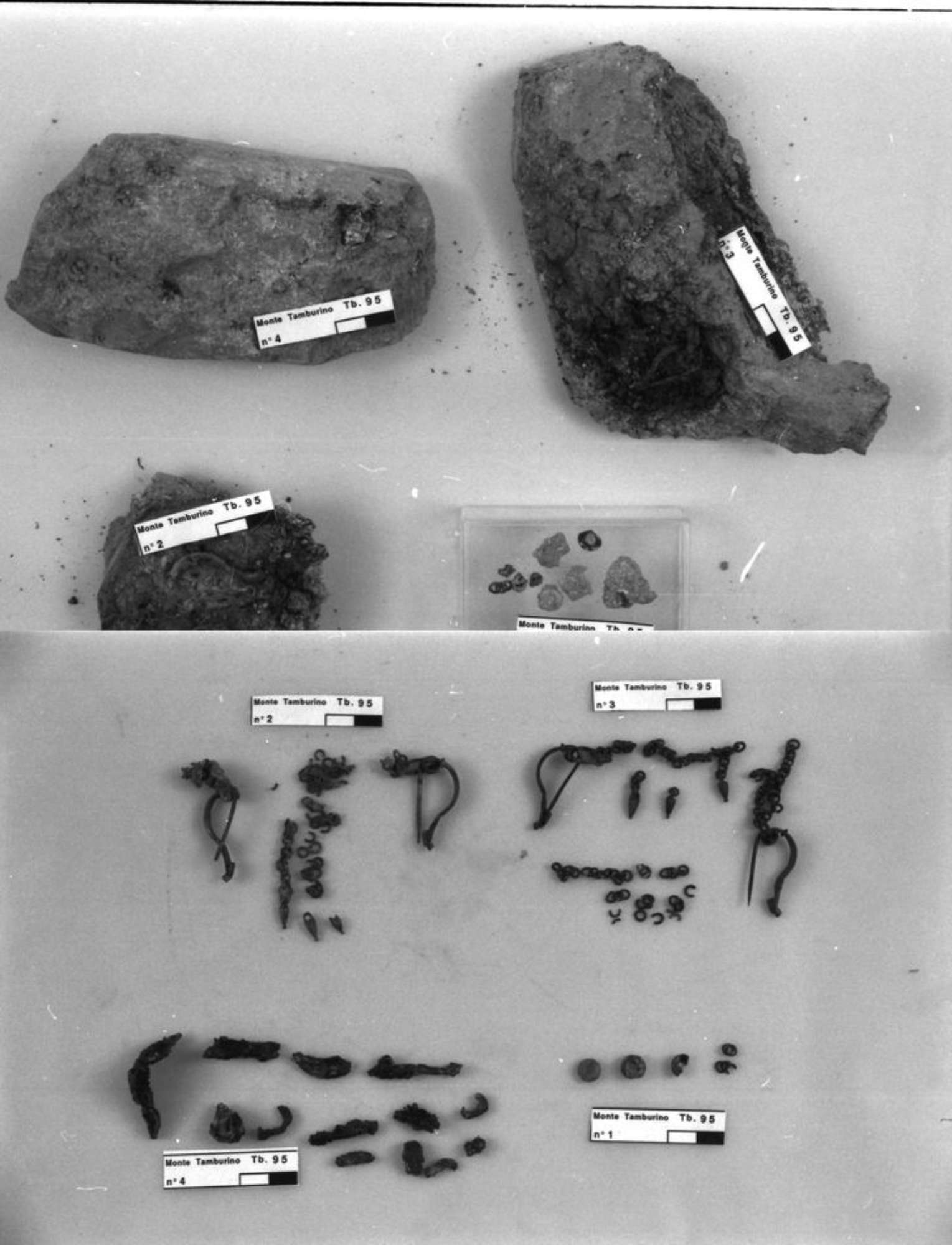
perle in ambra e frammento di catenella, fibule in bronzo prima del restauro
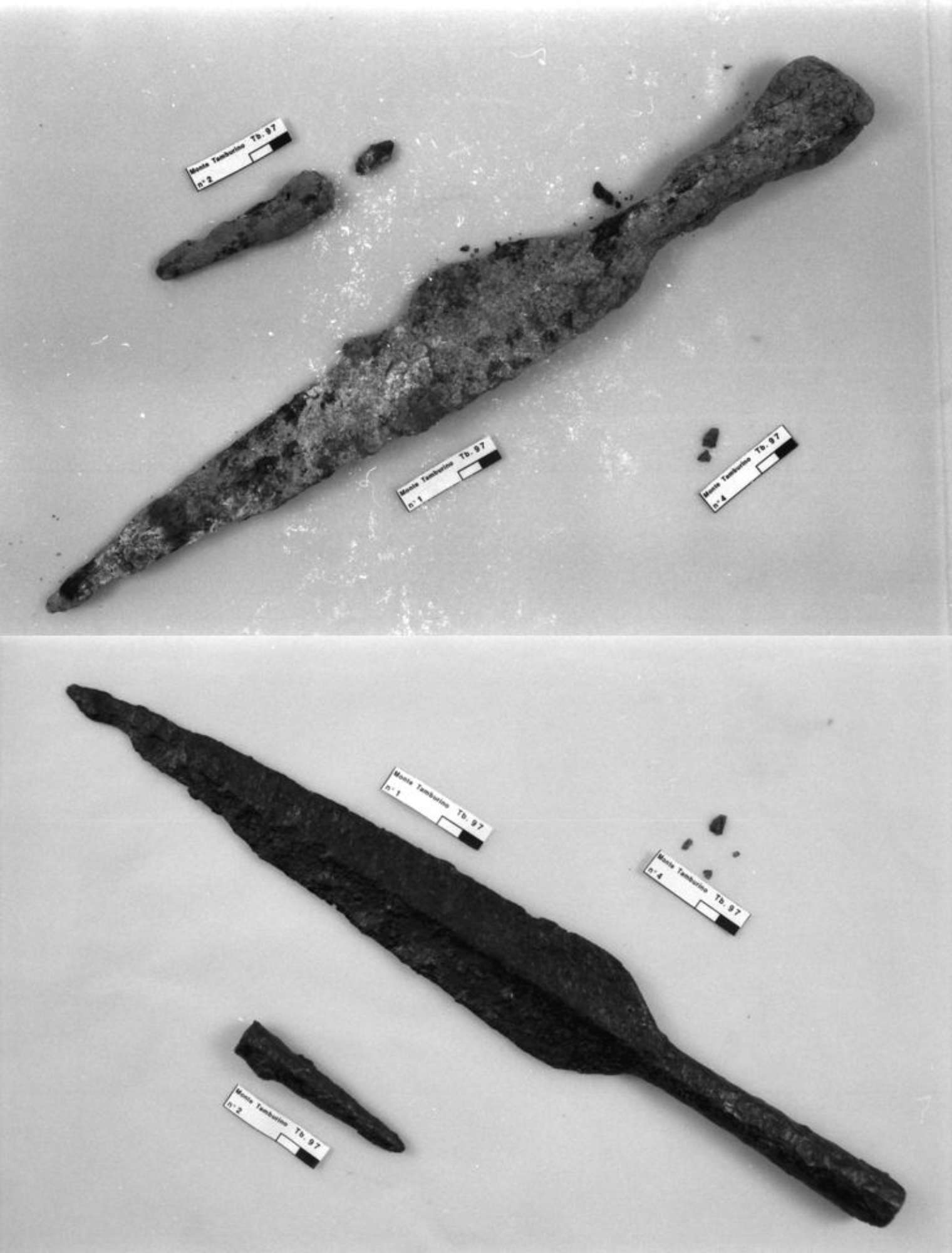
cuspide lancia in ferro, puntale conico di lancia in ferro, laminetta di bronzo prima del restauro
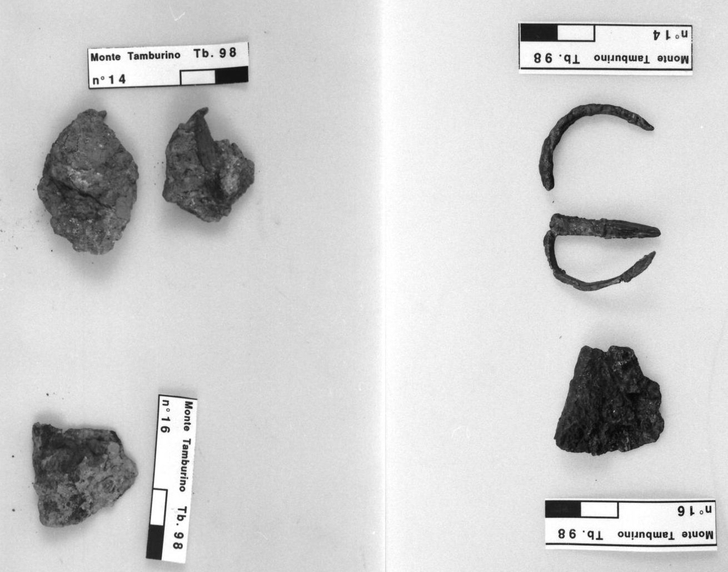
cimasa di candelabro in ferro, fr di dischetto di ferro prima del restauro
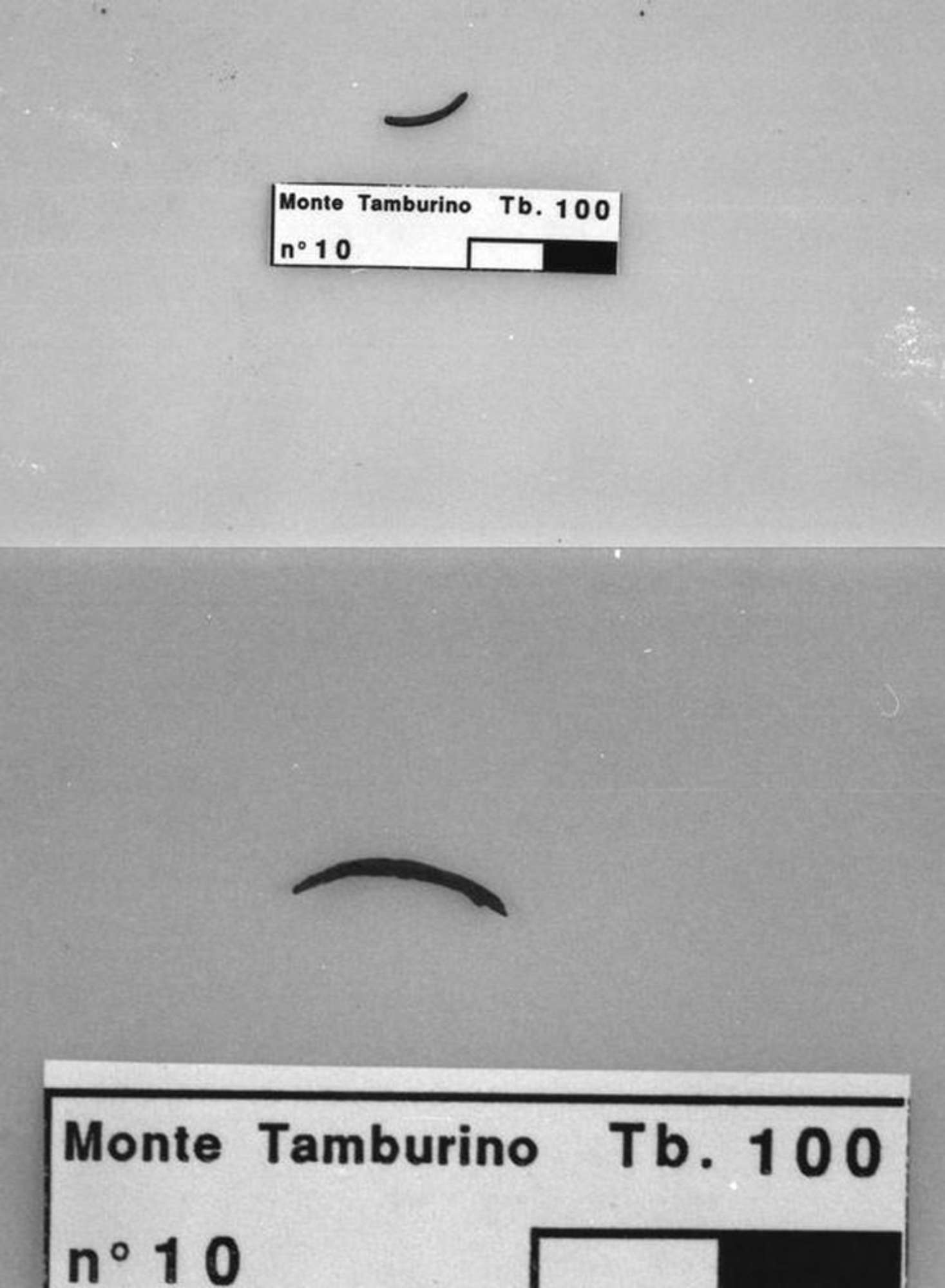
anello digitale di bronzo prima del restauro
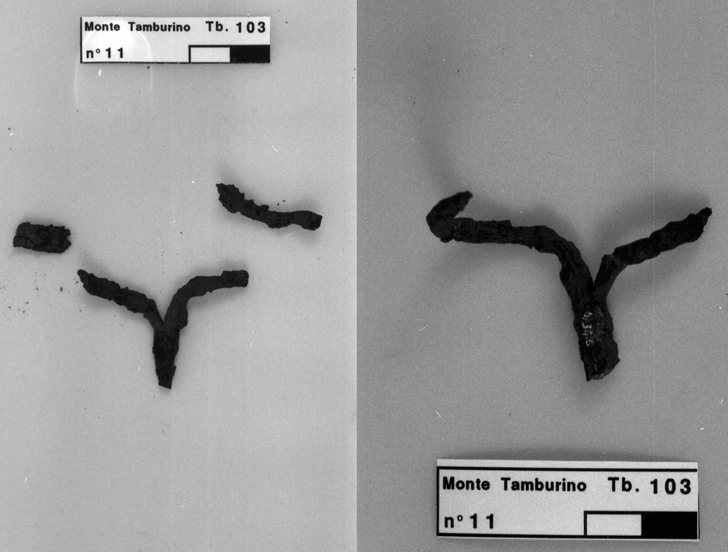
cimasa di candelabro in ferro prima del restauro
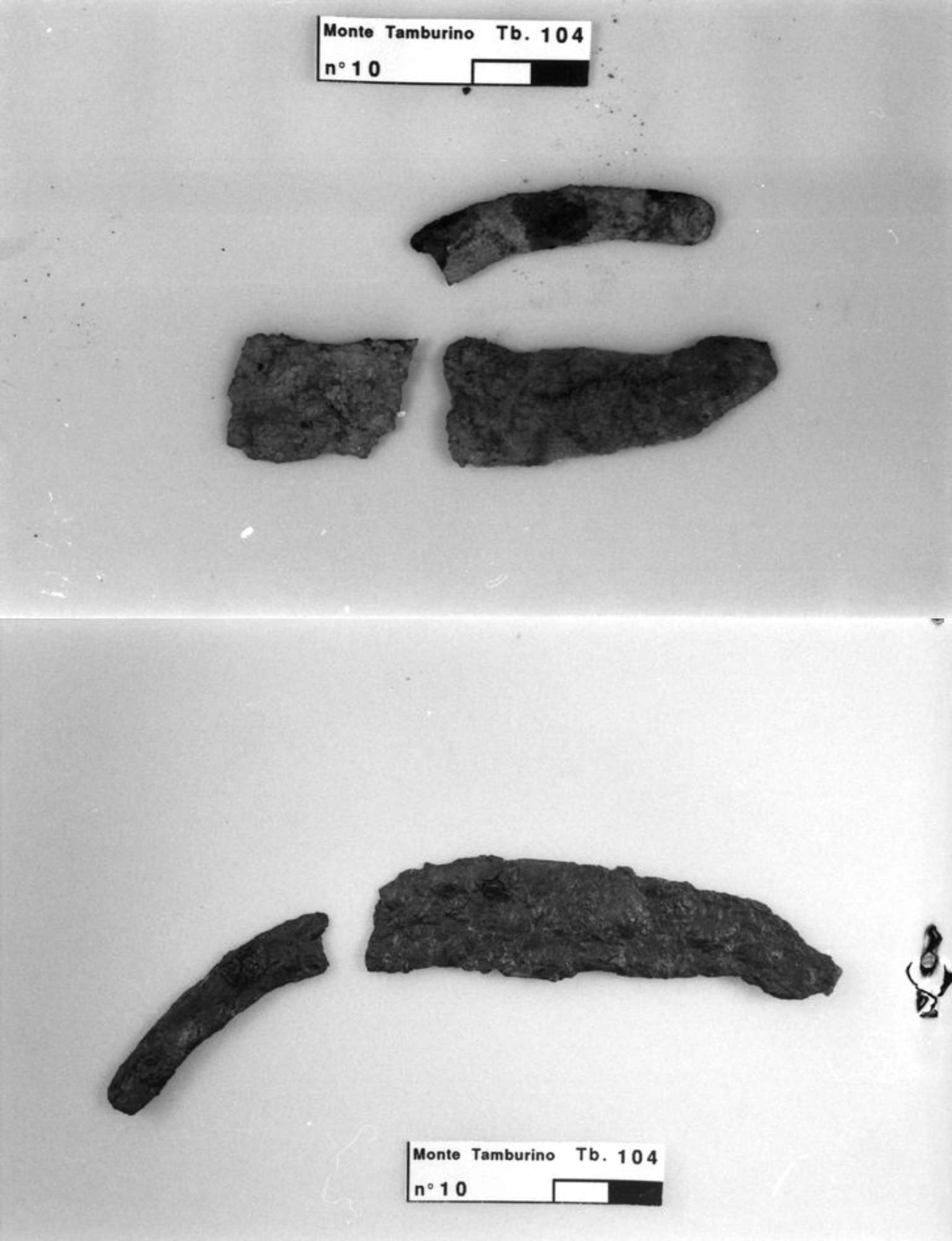
coltello in ferro in frammenti prima del restauro
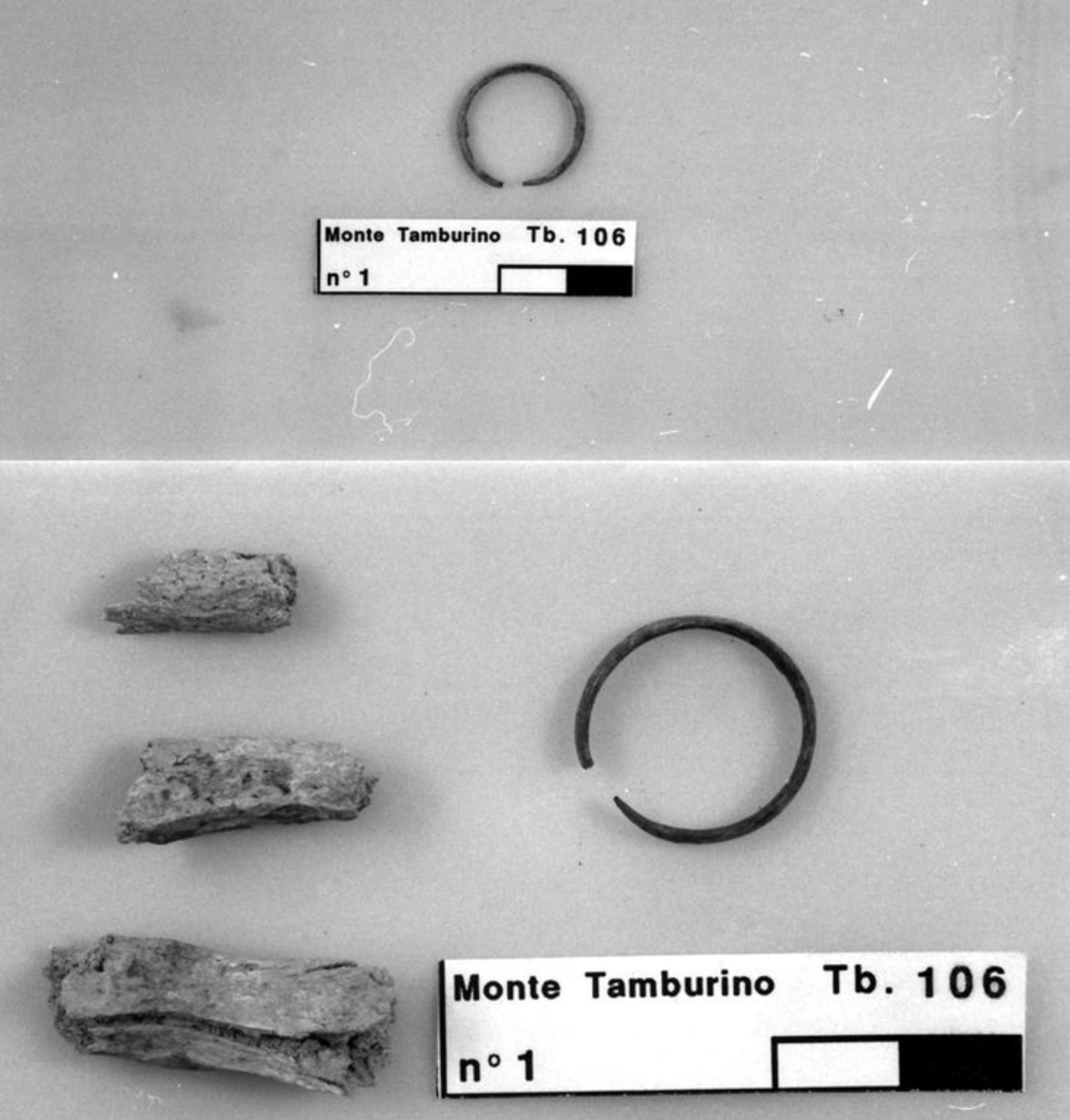
anellino di bronzo prima del restauro
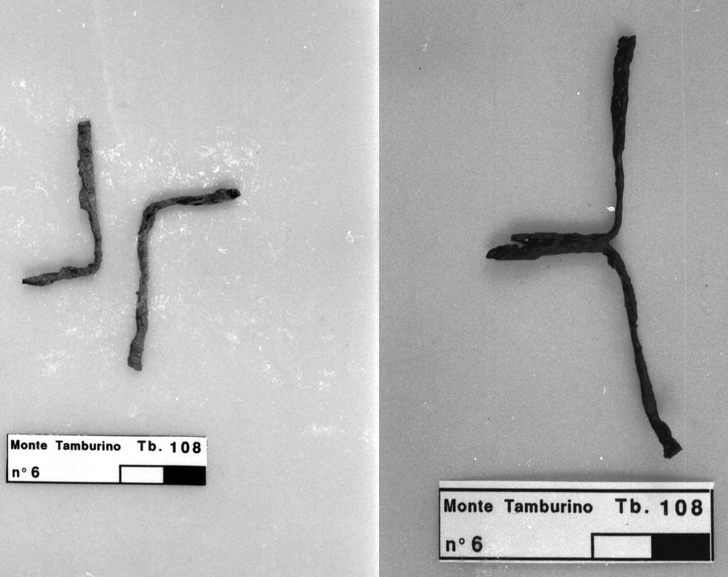
cimasa di candelabro in ferro prima del restauro
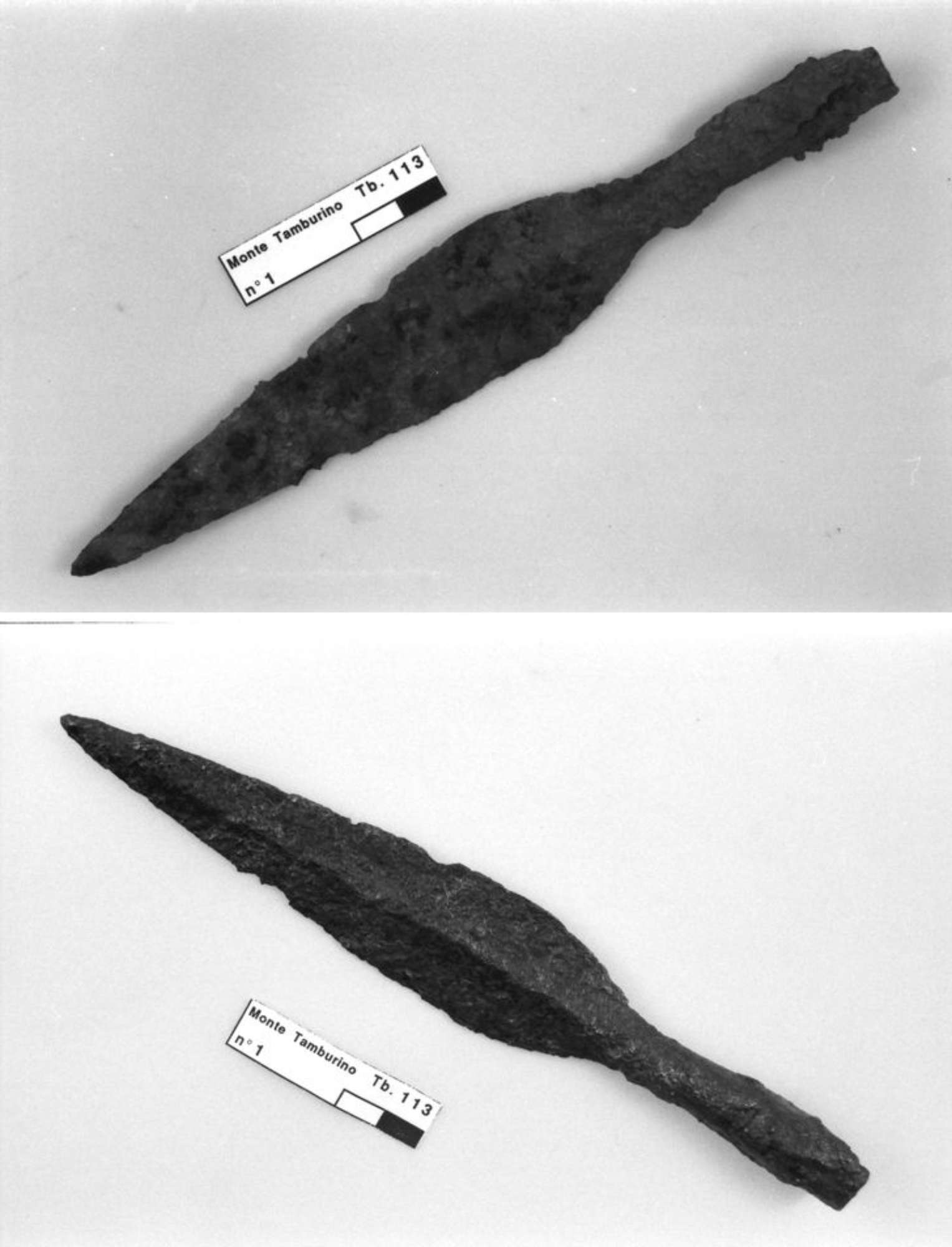
cuspide di lancia in ferro prima del restauro
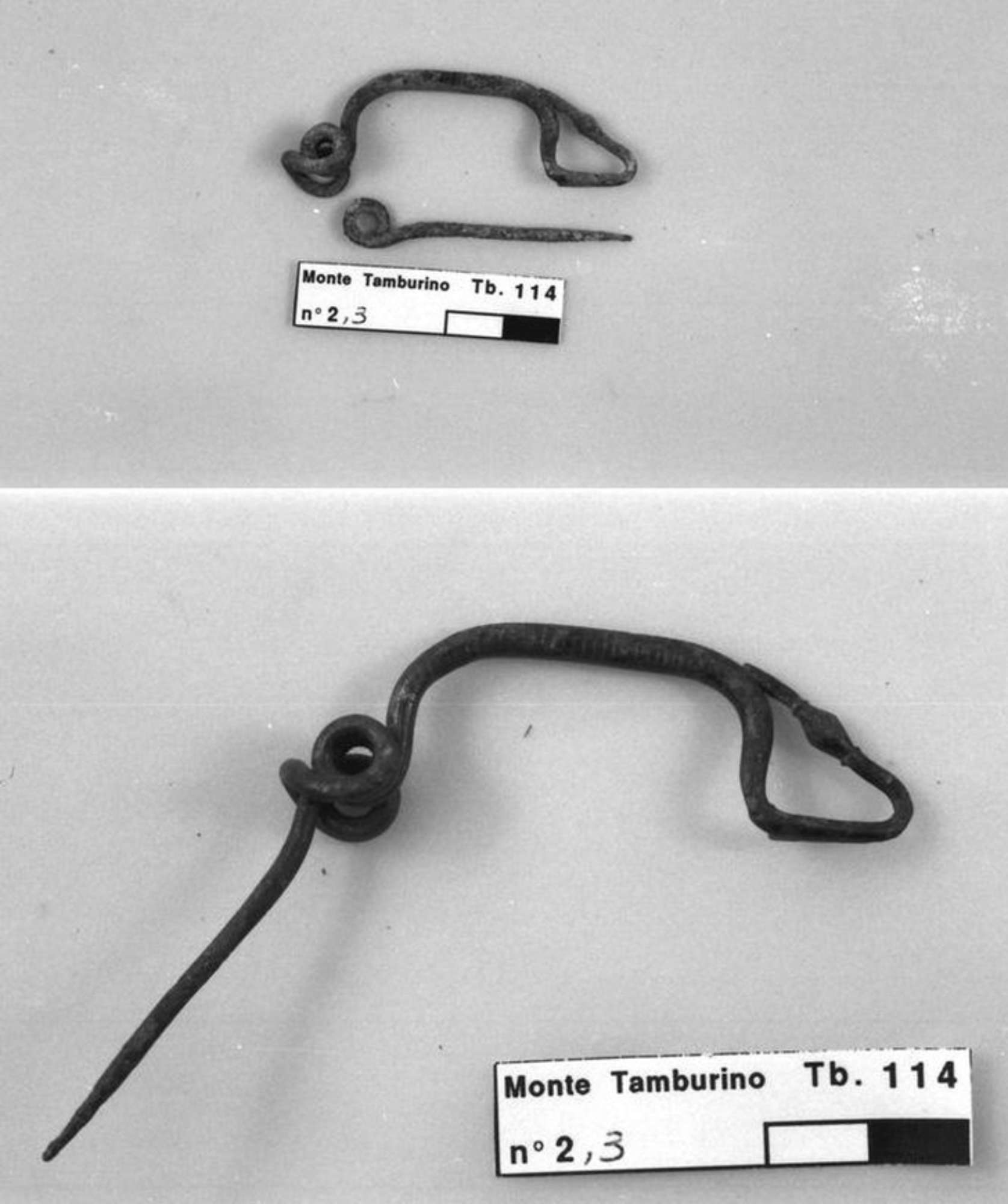
fibula e ago di fibula in bronzo prima del restauro
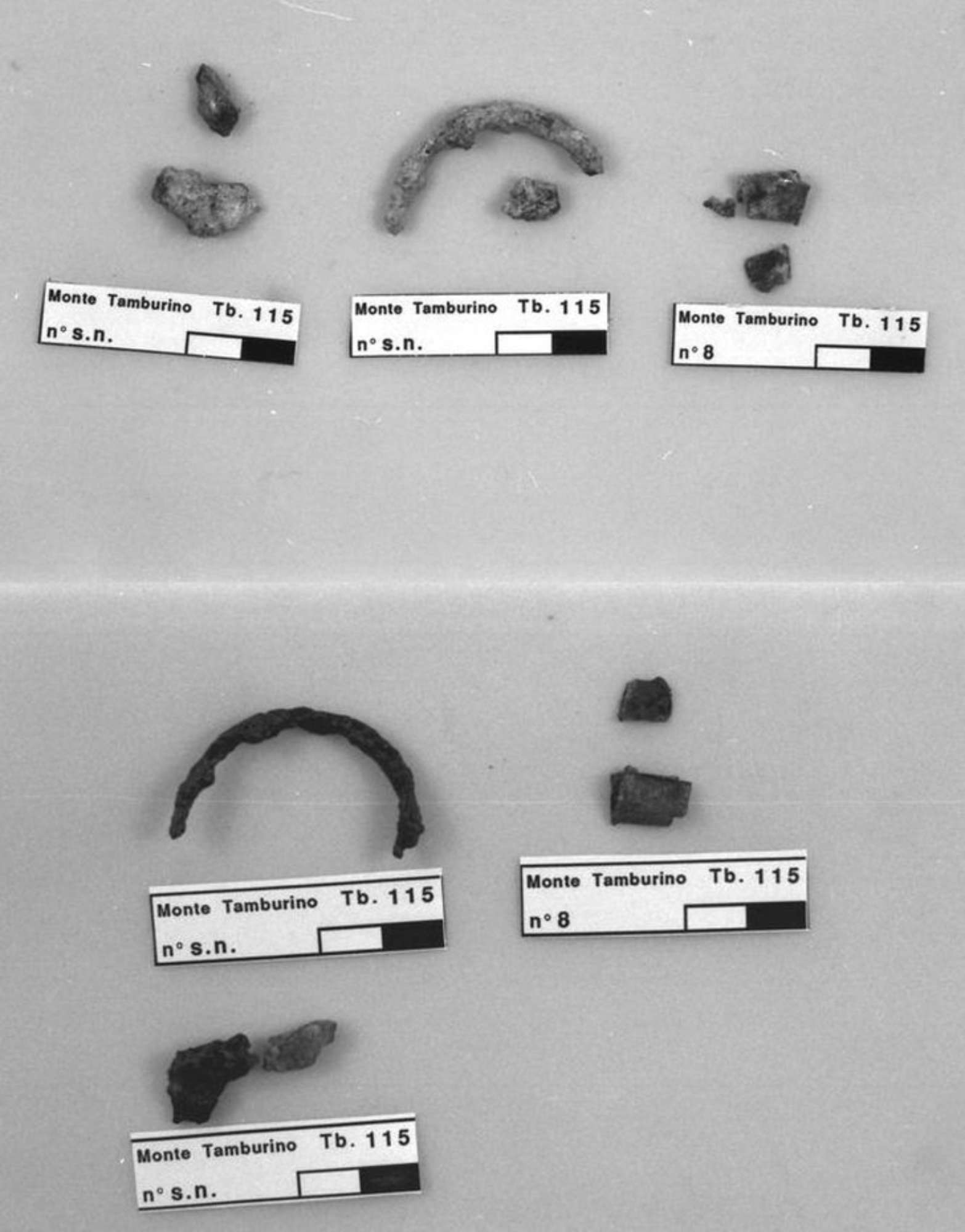
frammento di anello di ferro del fodero, frammento di ferro, frammento di bronzo prima del restauro
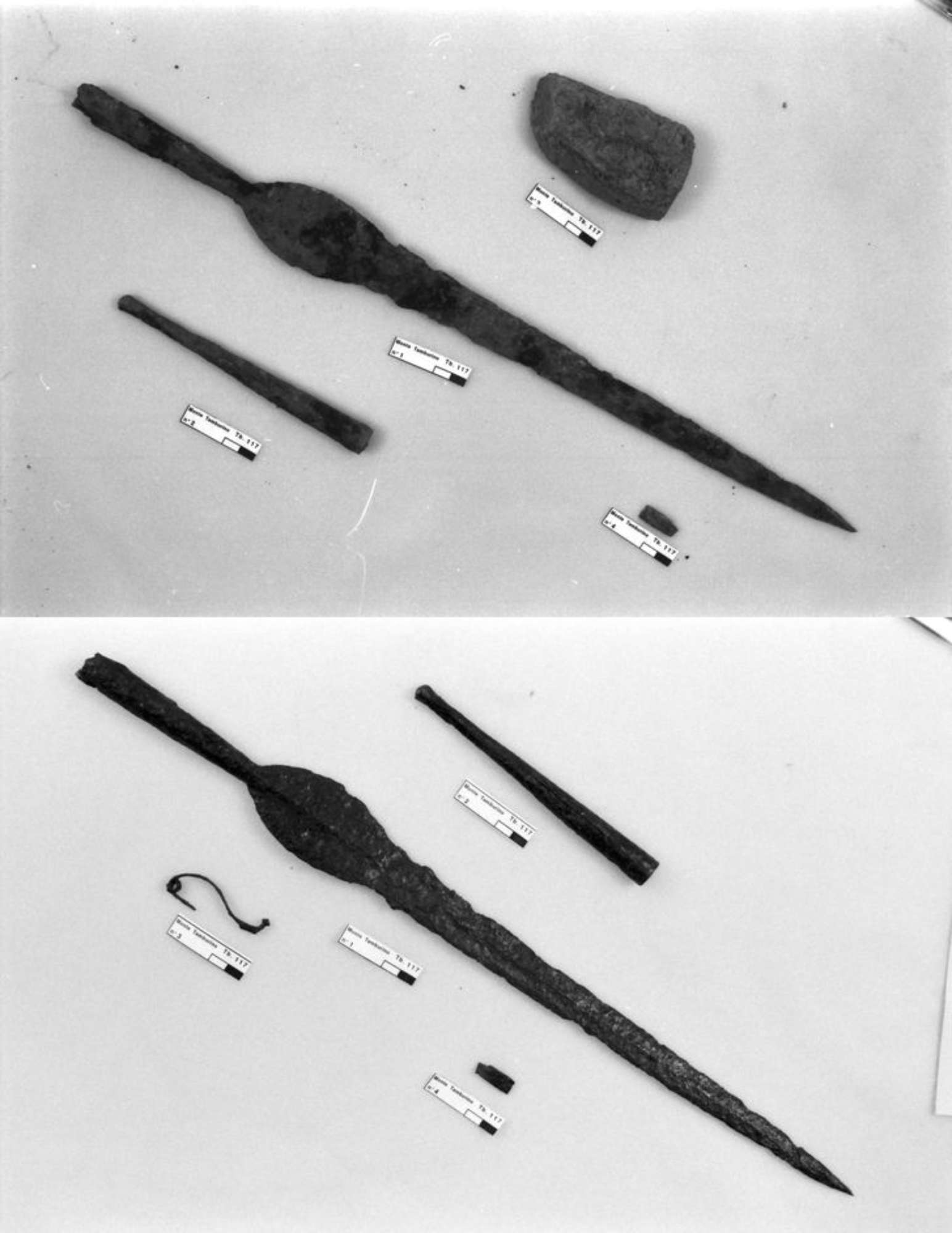
cuspide di lancia in ferro, tallone di lancia in ferro, fibula in ferro tipo Certosa, frammenti di lamina in ferro prima del restauro
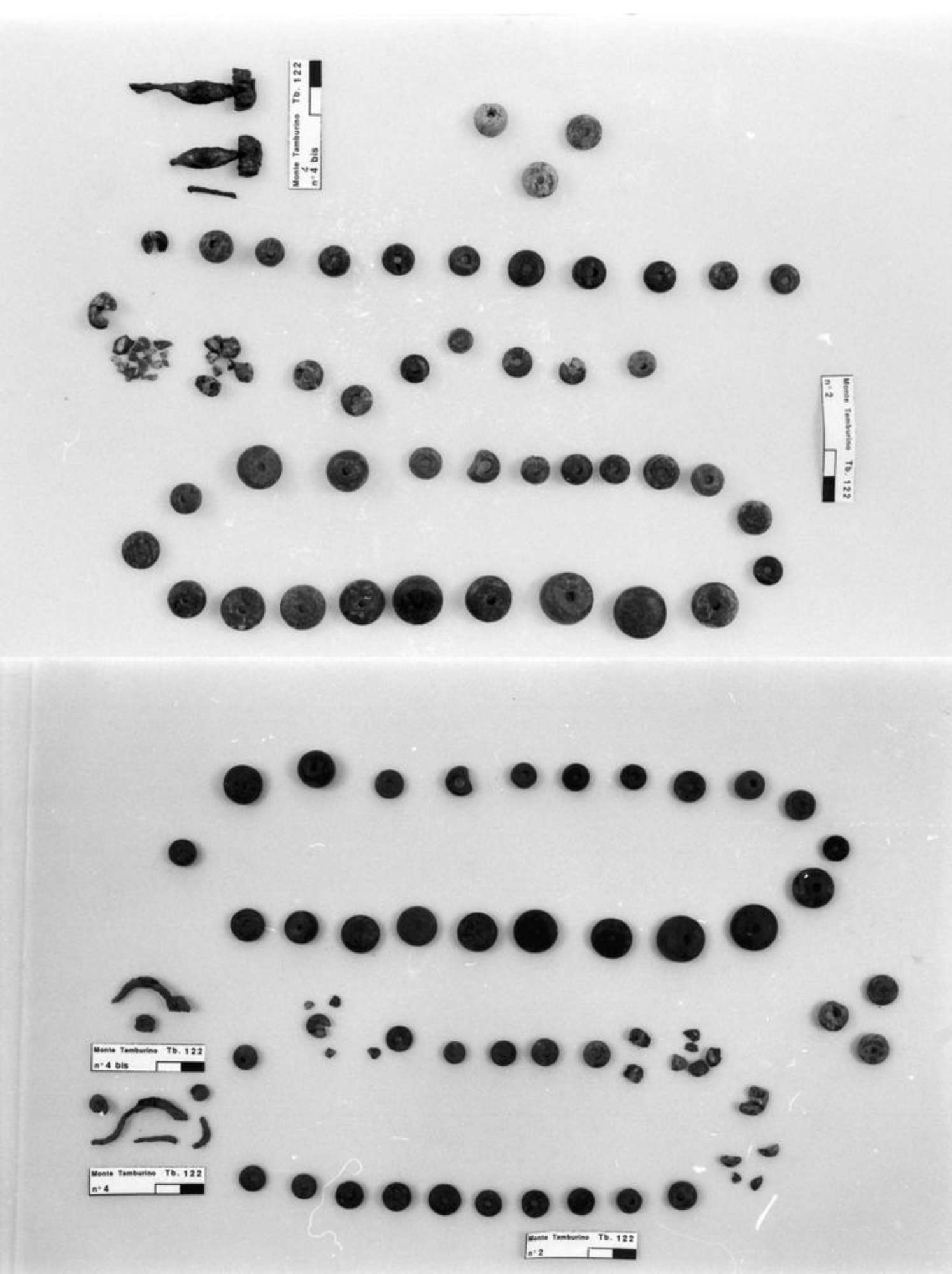
collana di perle in ambra, due fibule in ferro, laminetta in bronzo prima del restauro
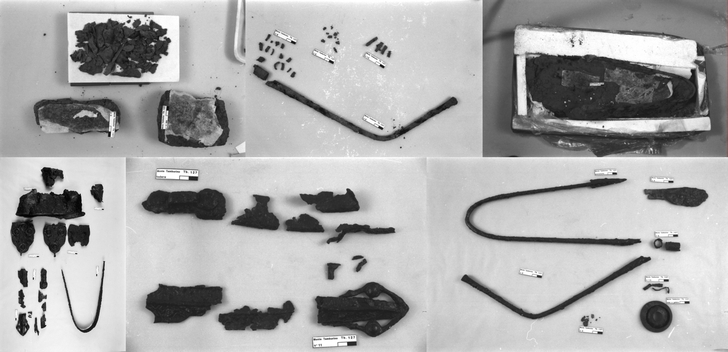
spada di ferro in zolla prima del restauro
spada di ferro in zolla prima del restauro
spada di ferro in zolla prima del restauro
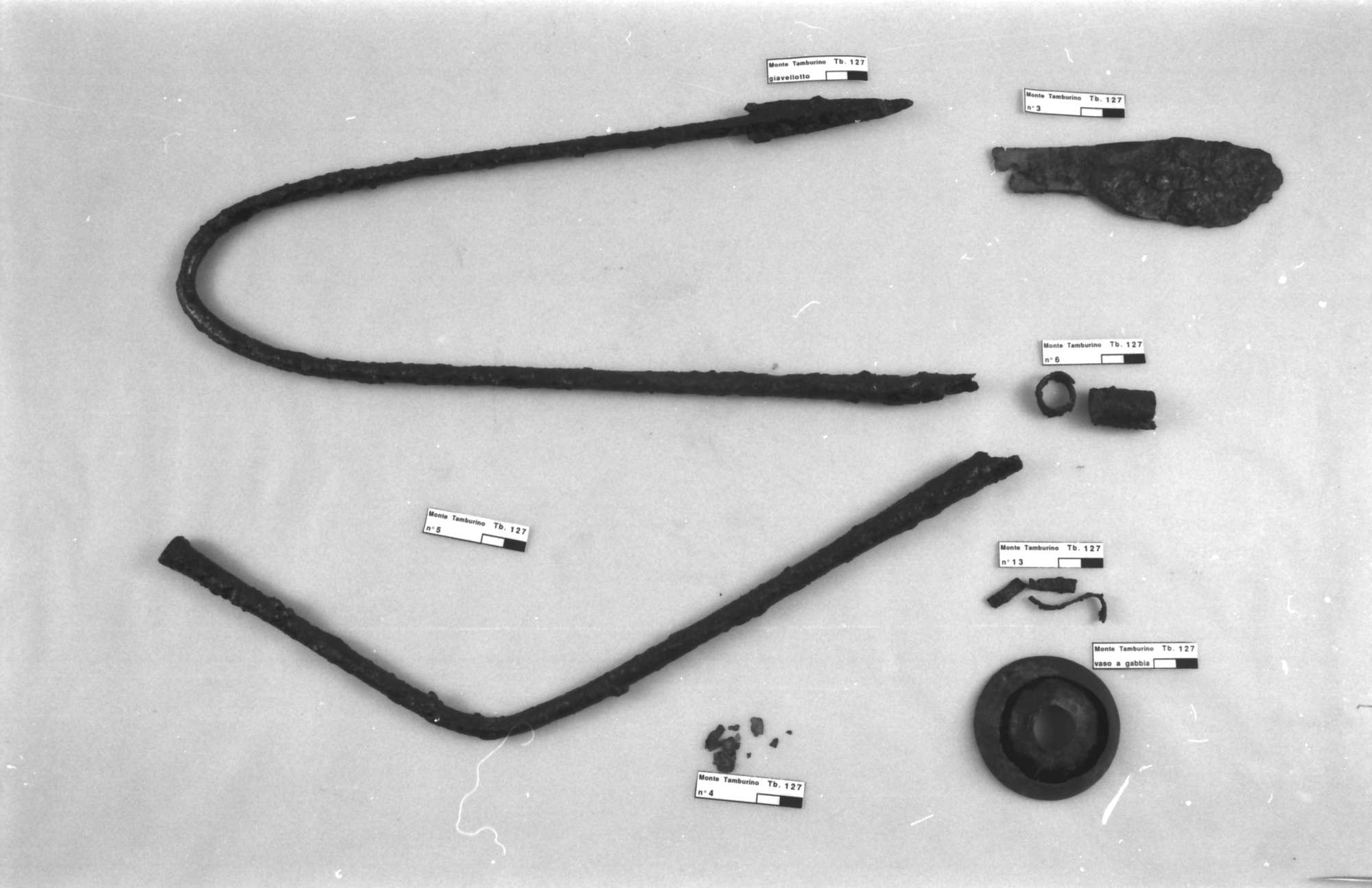
giavellotto,coltello in ferro, laminetta in bronzo, puntale di giavellotto in ferro, appendice di puntale con fettuccia a molla in ferro, anello in ferro, imboccatura di vaso a gabbia dopo il restauro
spada di ferro in zolla prima del restauro
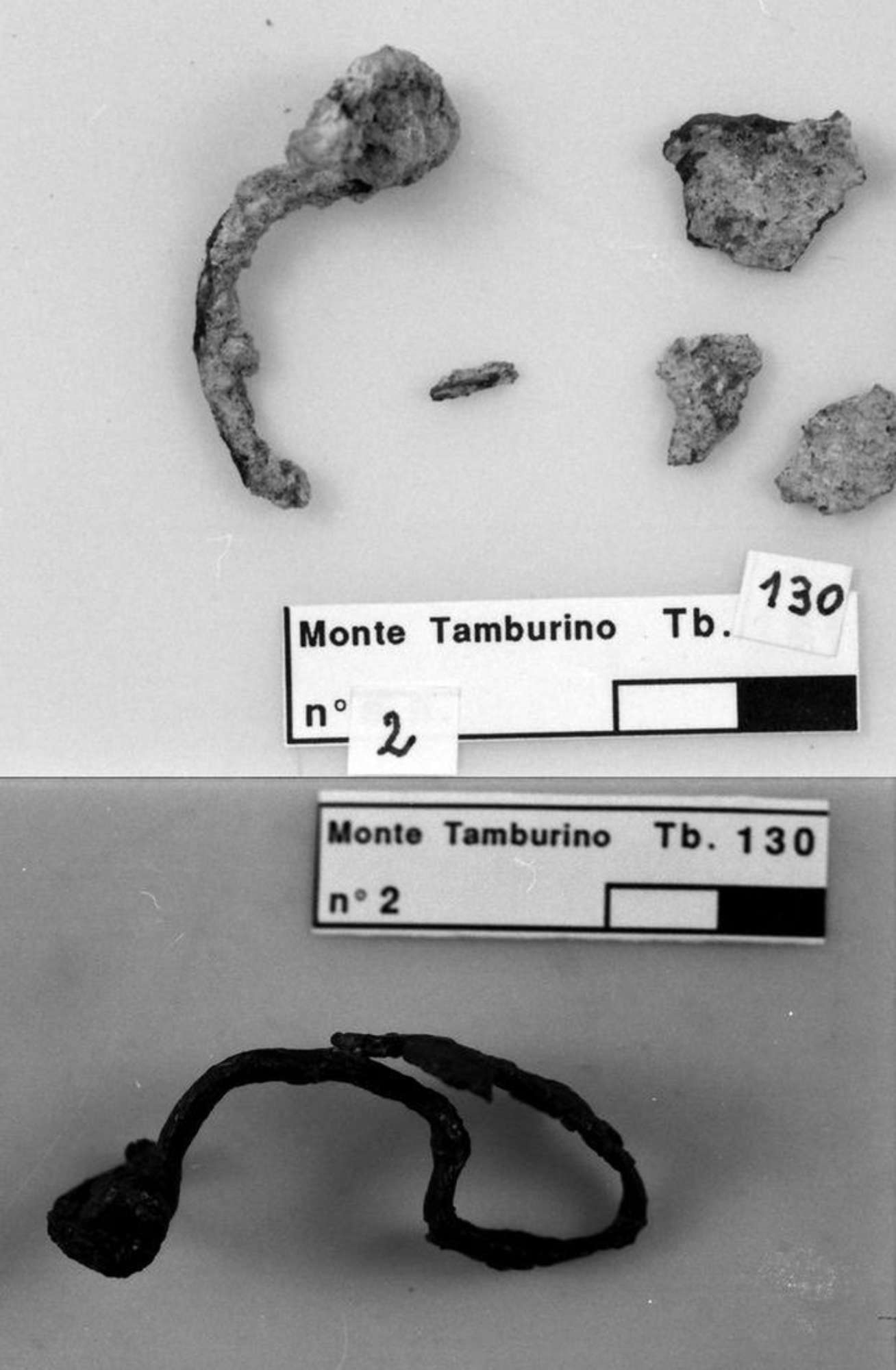
fibula in ferro in frammenti prima del restauro
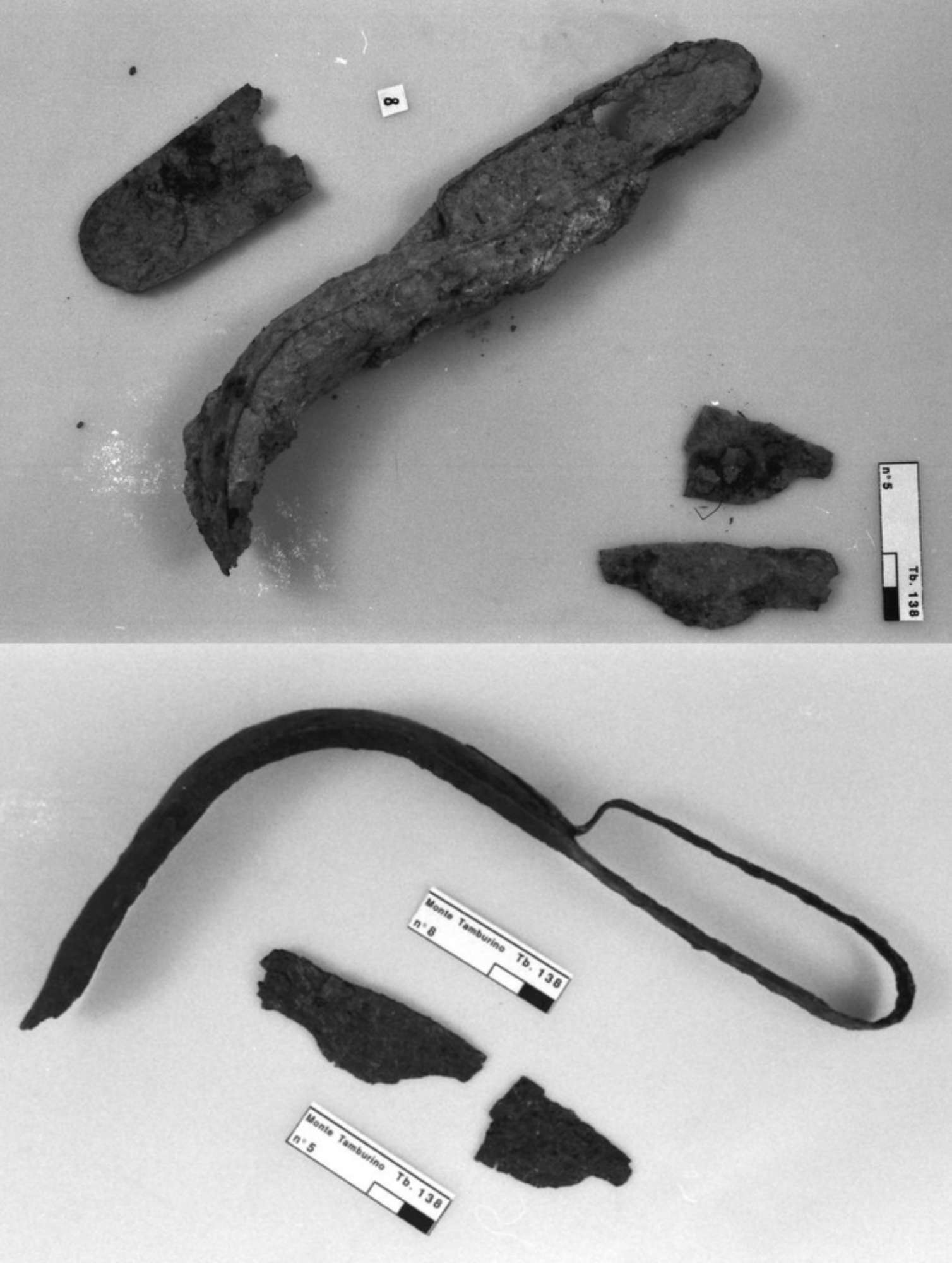
coltello-rasoio in ferro e strigile in ferro prima del restauro
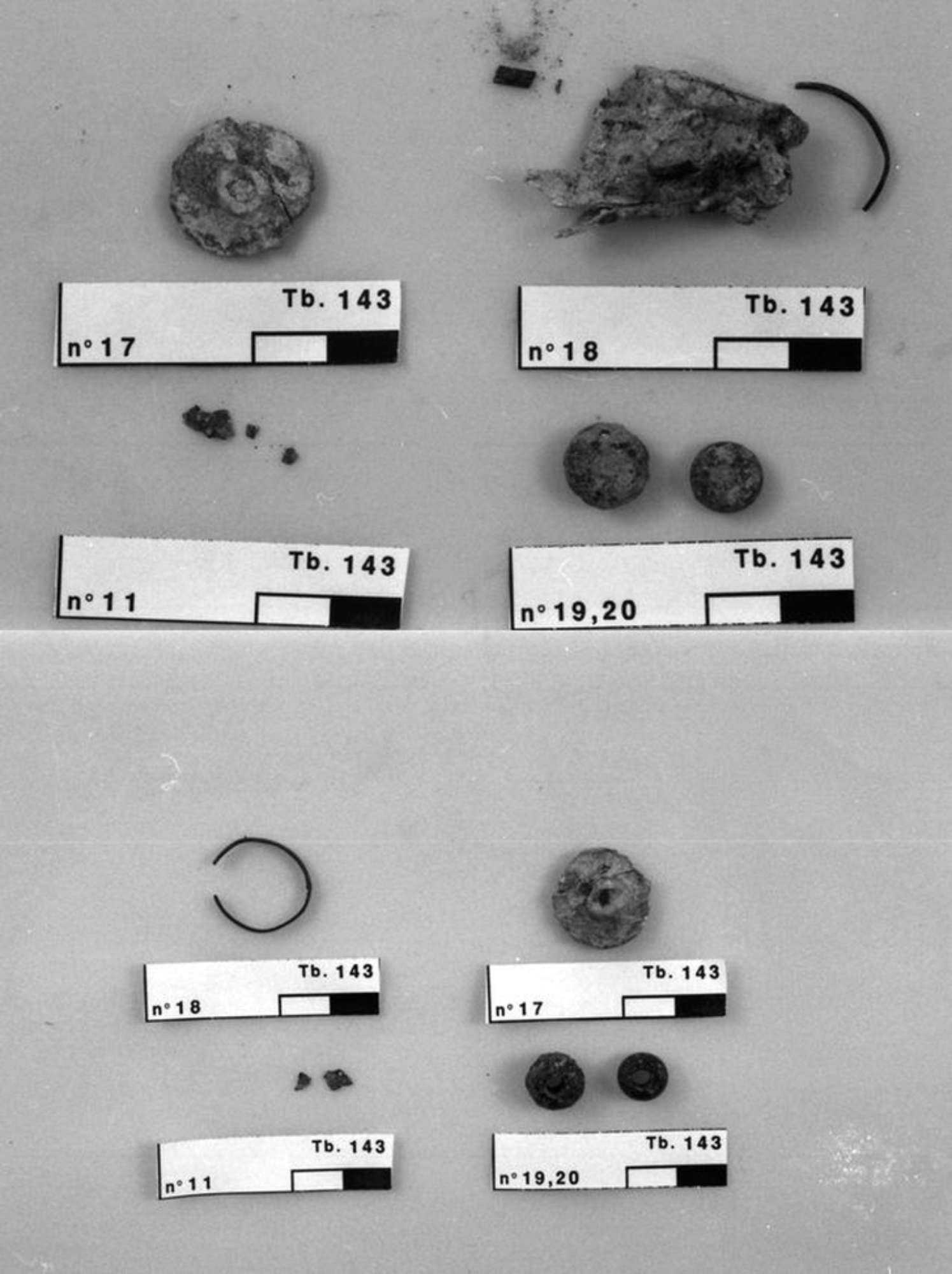
frammenti di laminetta in bronzo, dischetto a cappello in osso, anello digitale in argento, due vaghi di pasta vitrea prima del restauro
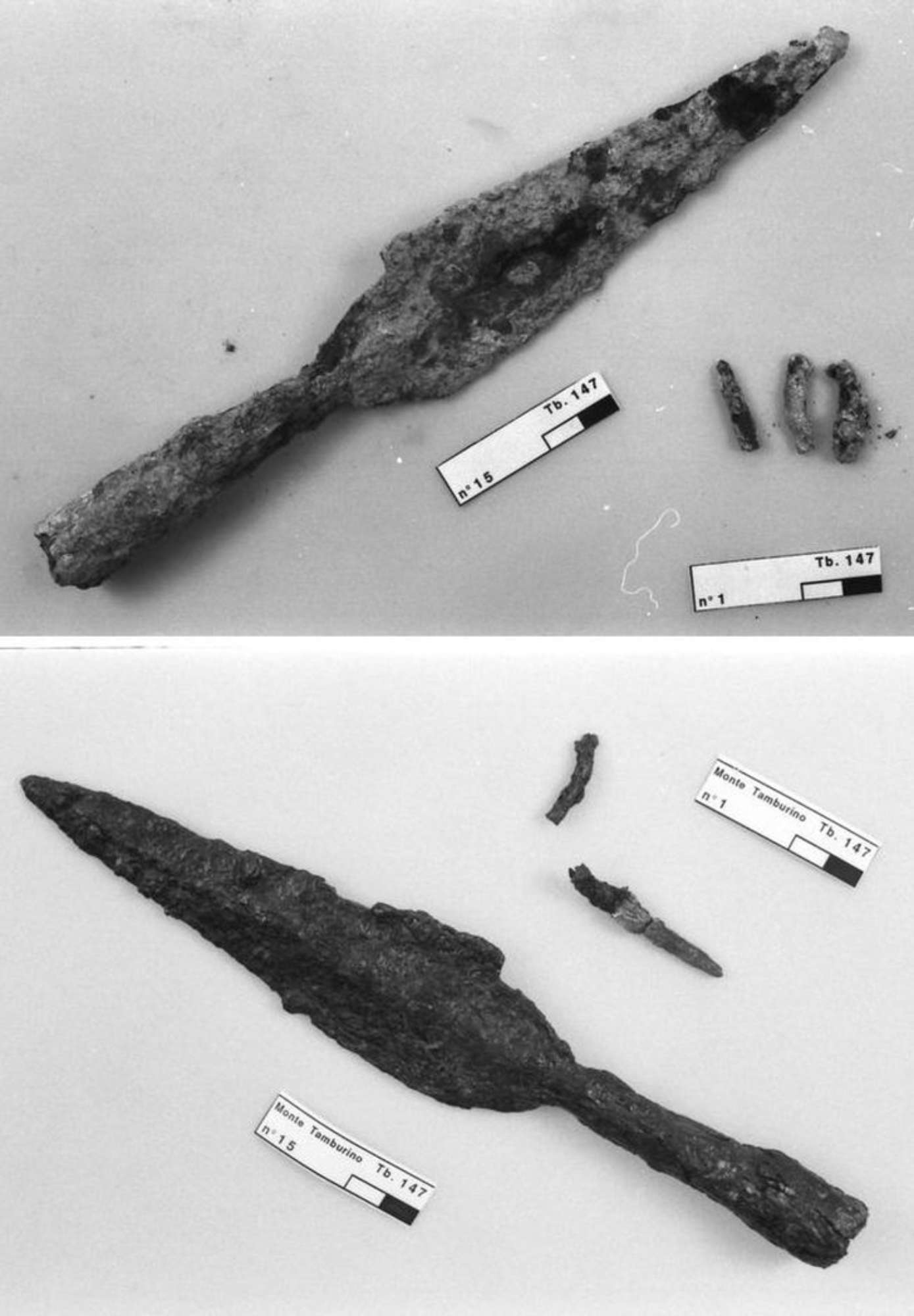
cimasa di candelabro in ferro in tre frammenti, cusipide di lancia in ferro prima del restauro
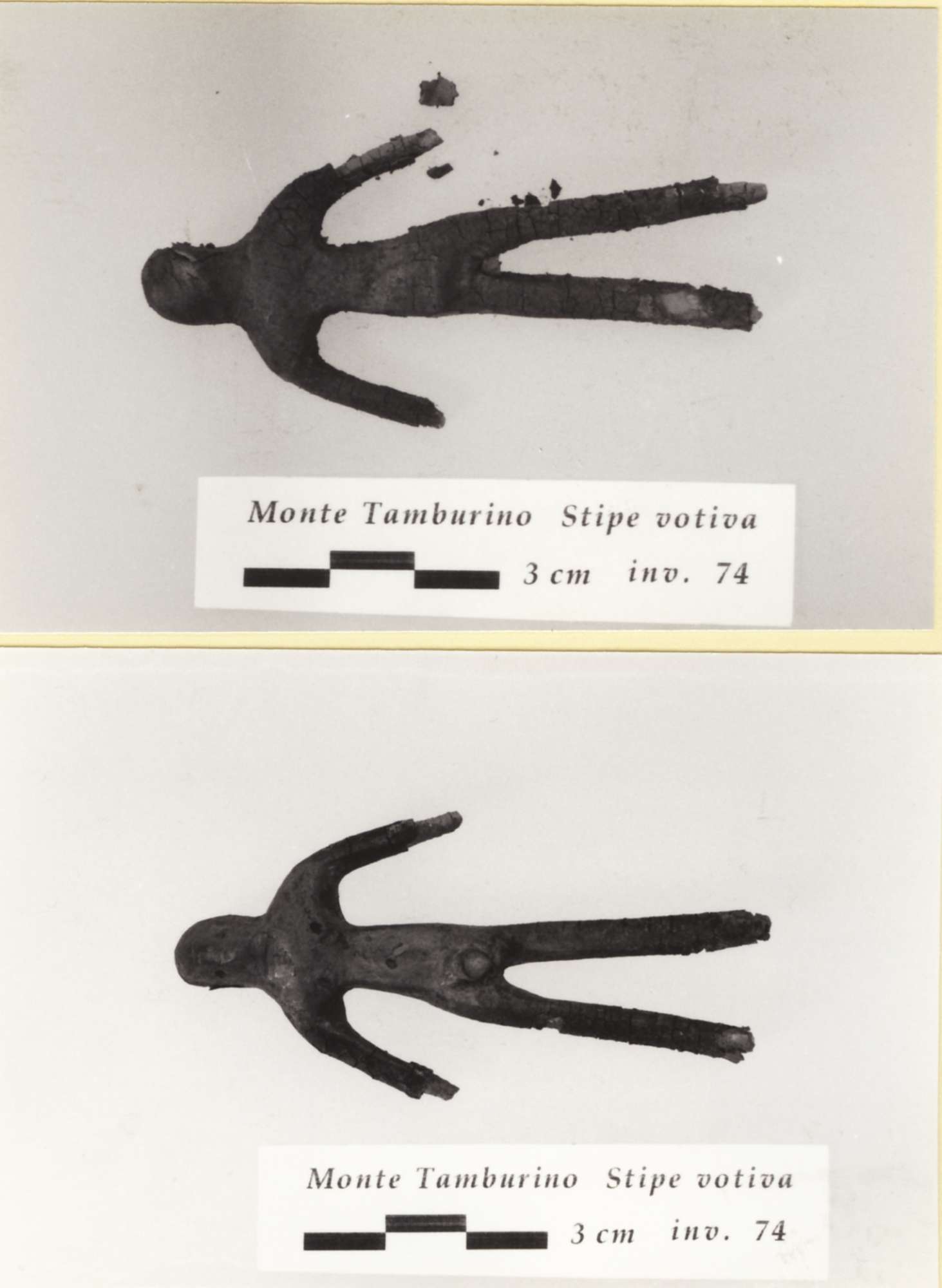
statuetta maschile in bronzo prima e dopo il restauro
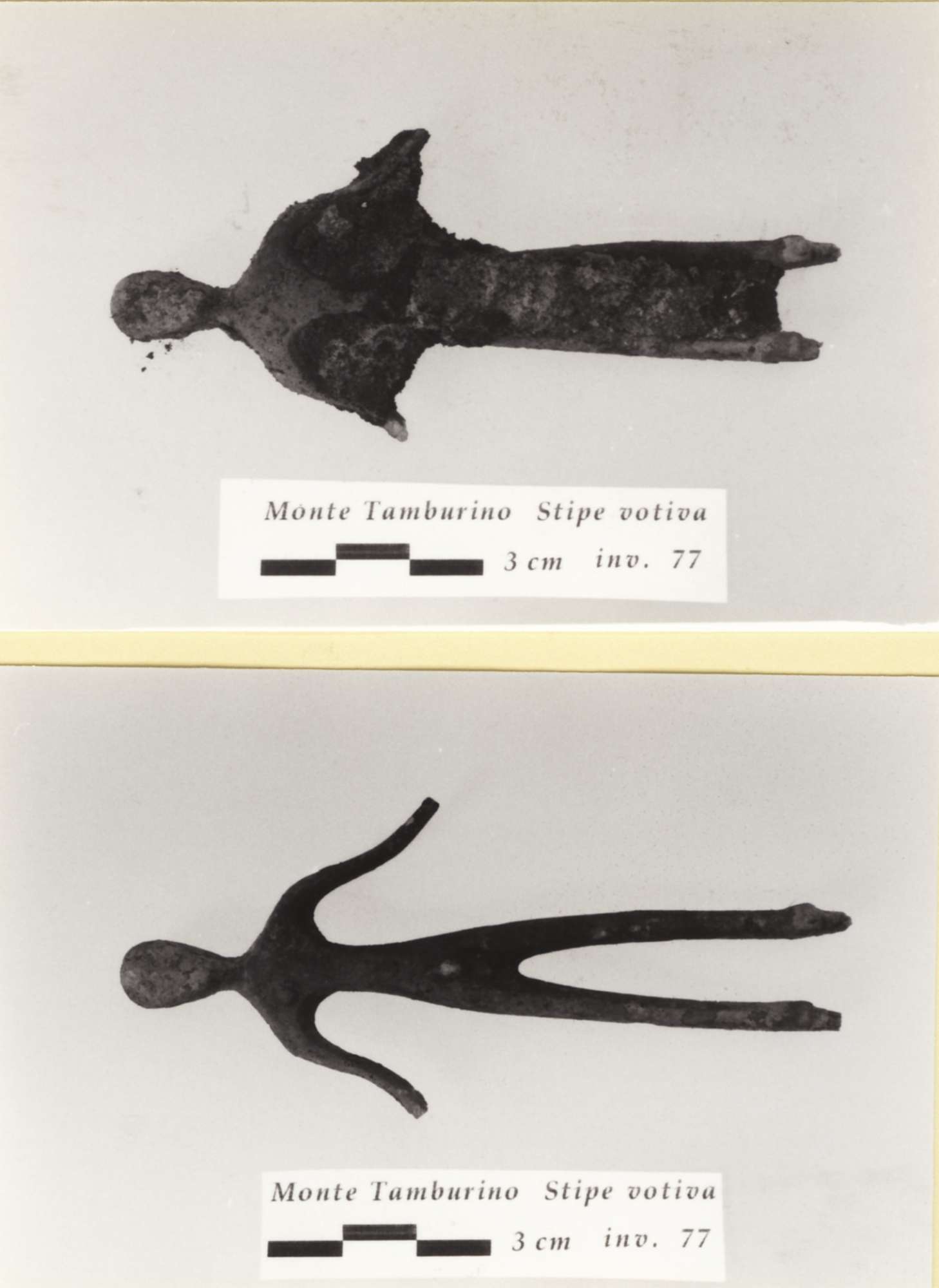
statuetta maschile in bronzo prima e dopo il restauro
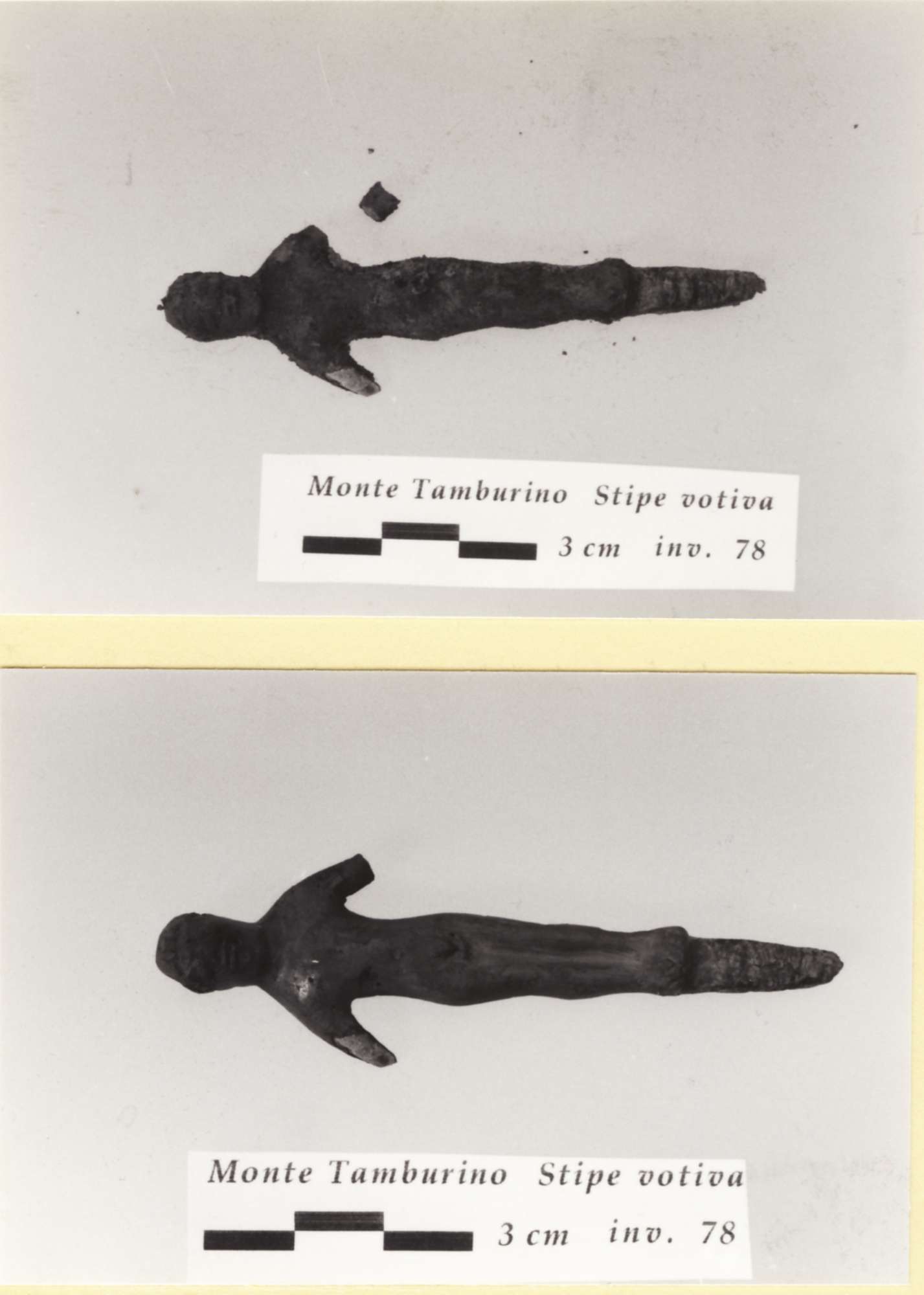
statuetta maschile in bronzo prima e dopo il restauro
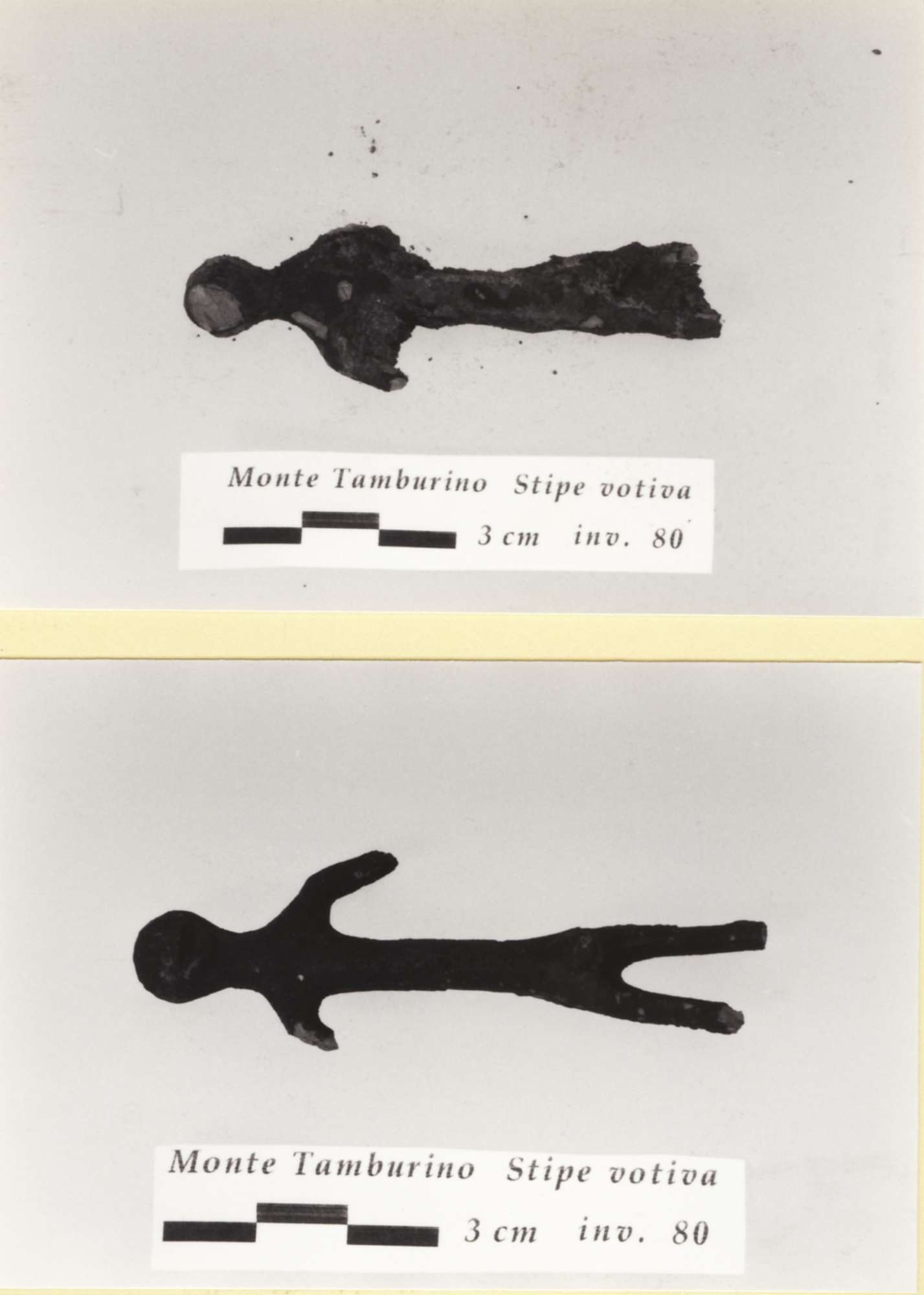
statuetta maschile in bronzo prima e dopo il restauro
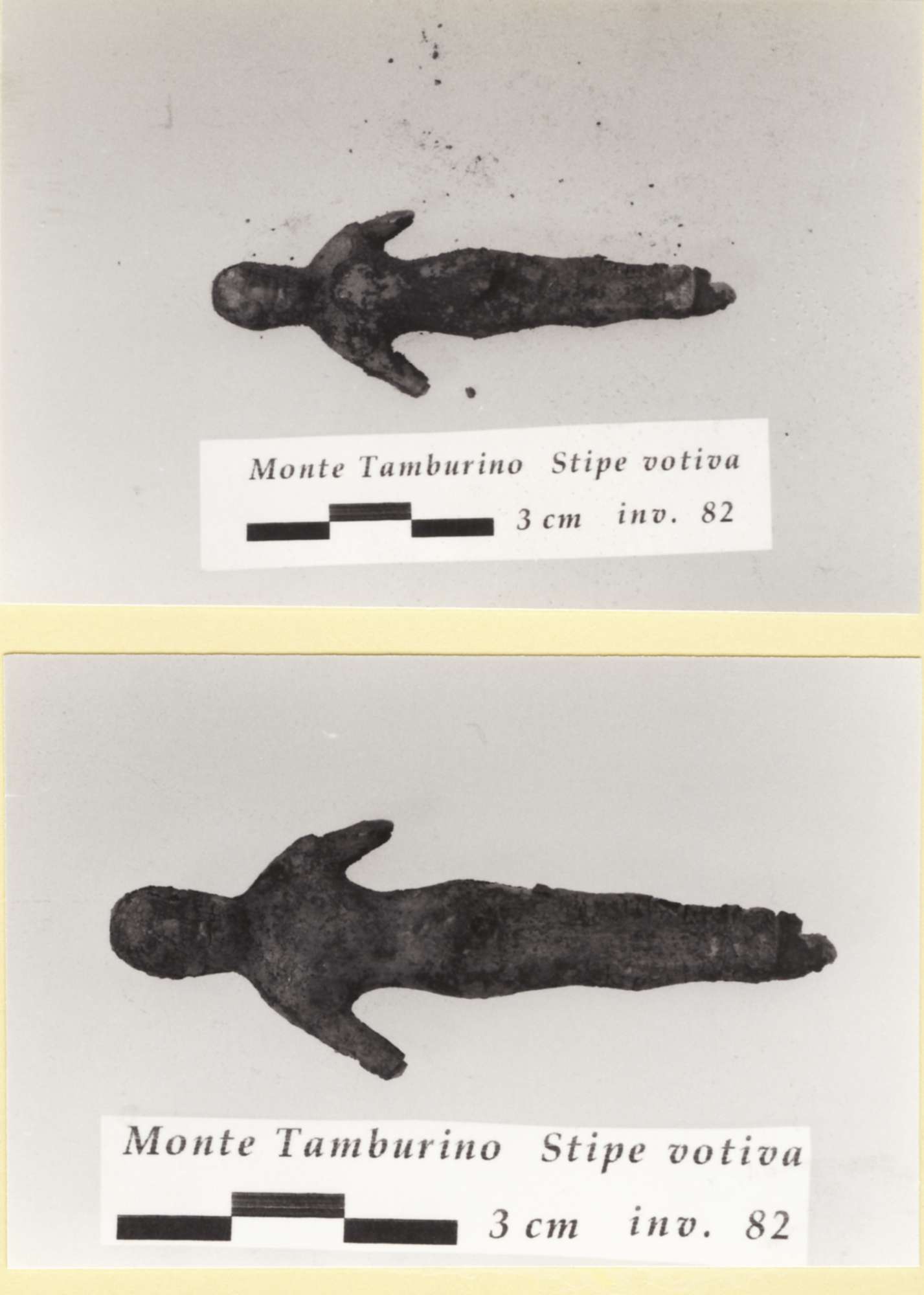
statuetta di kouros in bronzo prima e dopo il restauro
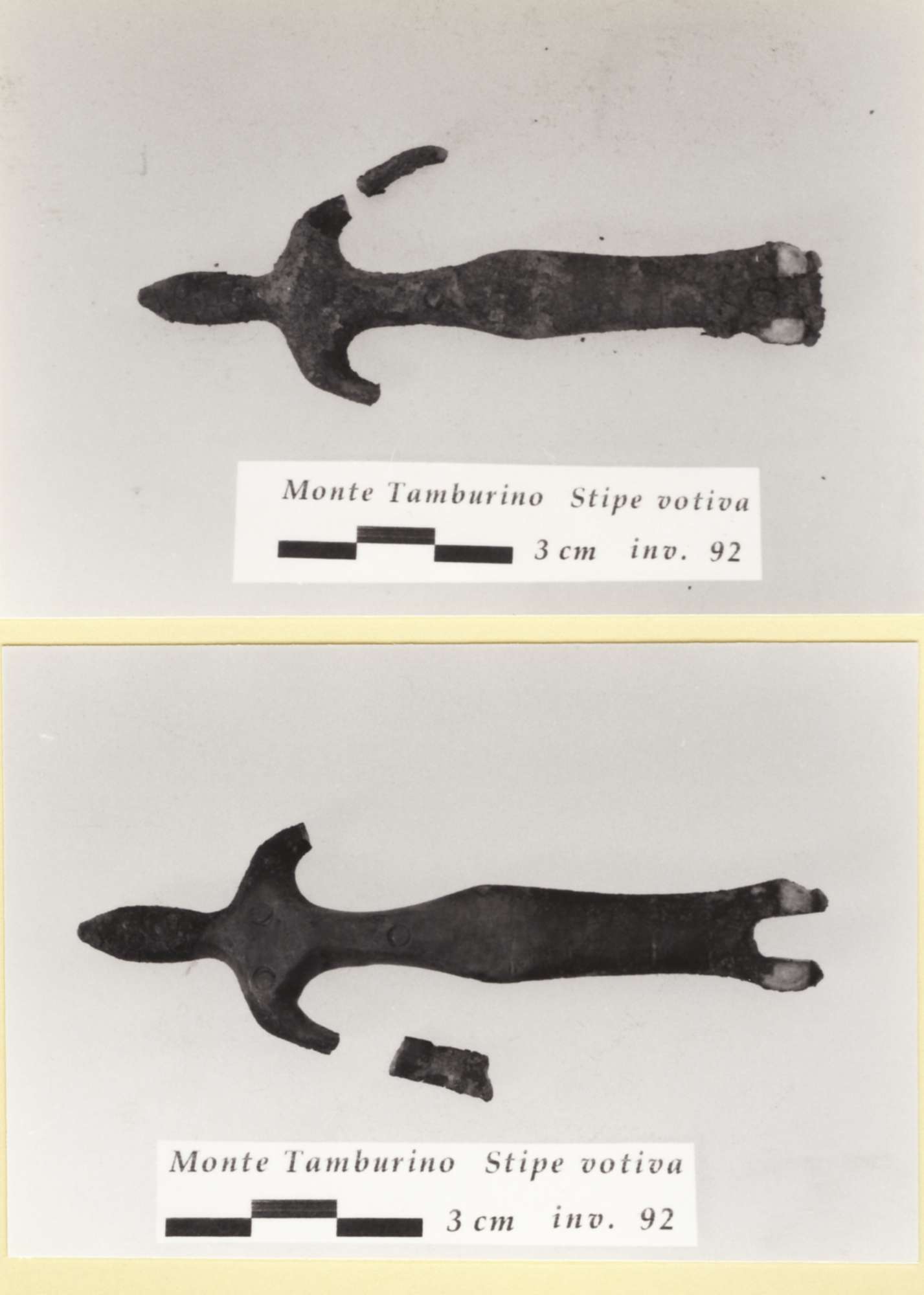
statuetta femminile in bronzo prima e dopo il restauro
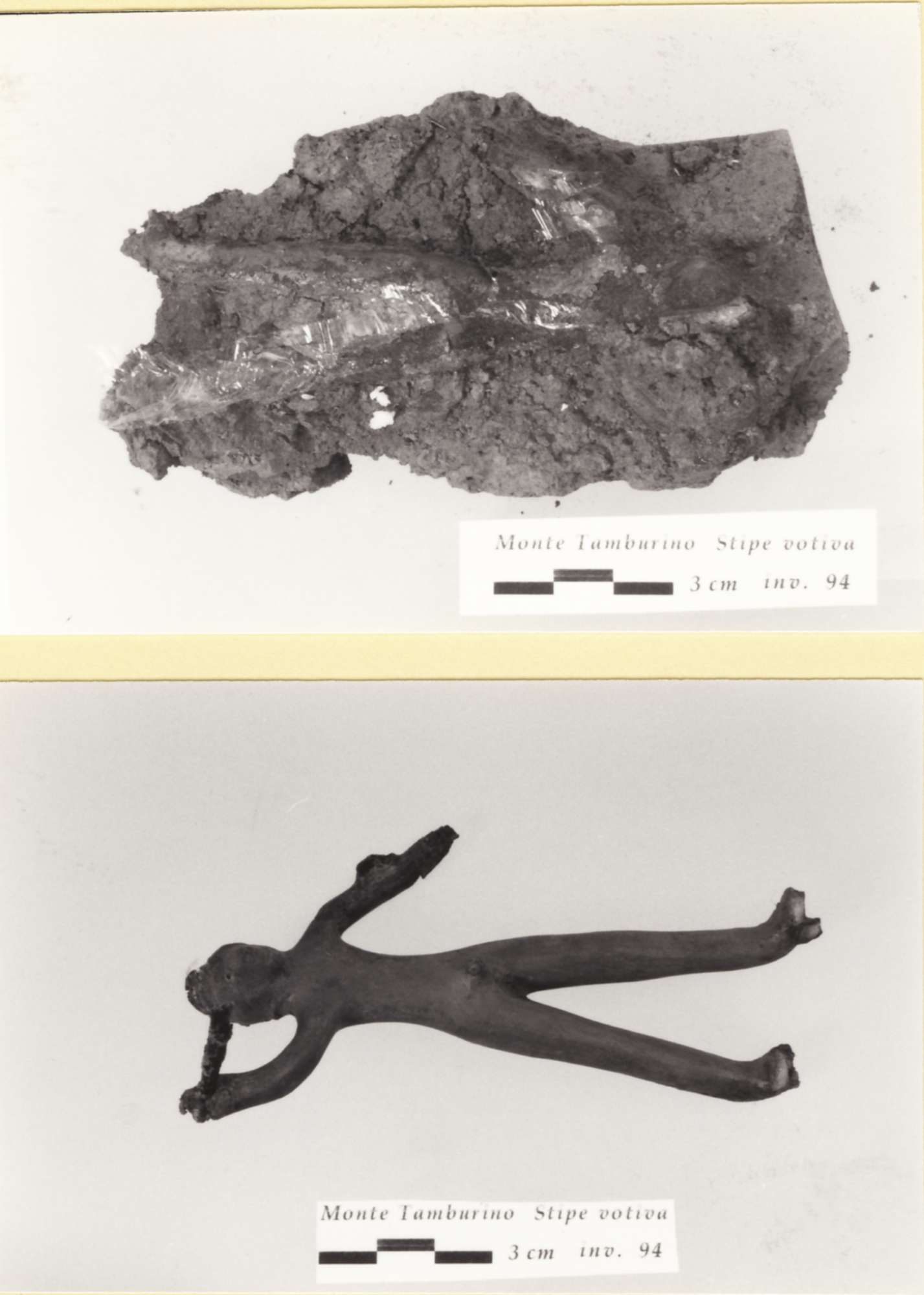
statuetta di Marte bronzo e argento prima e dopo il restauro
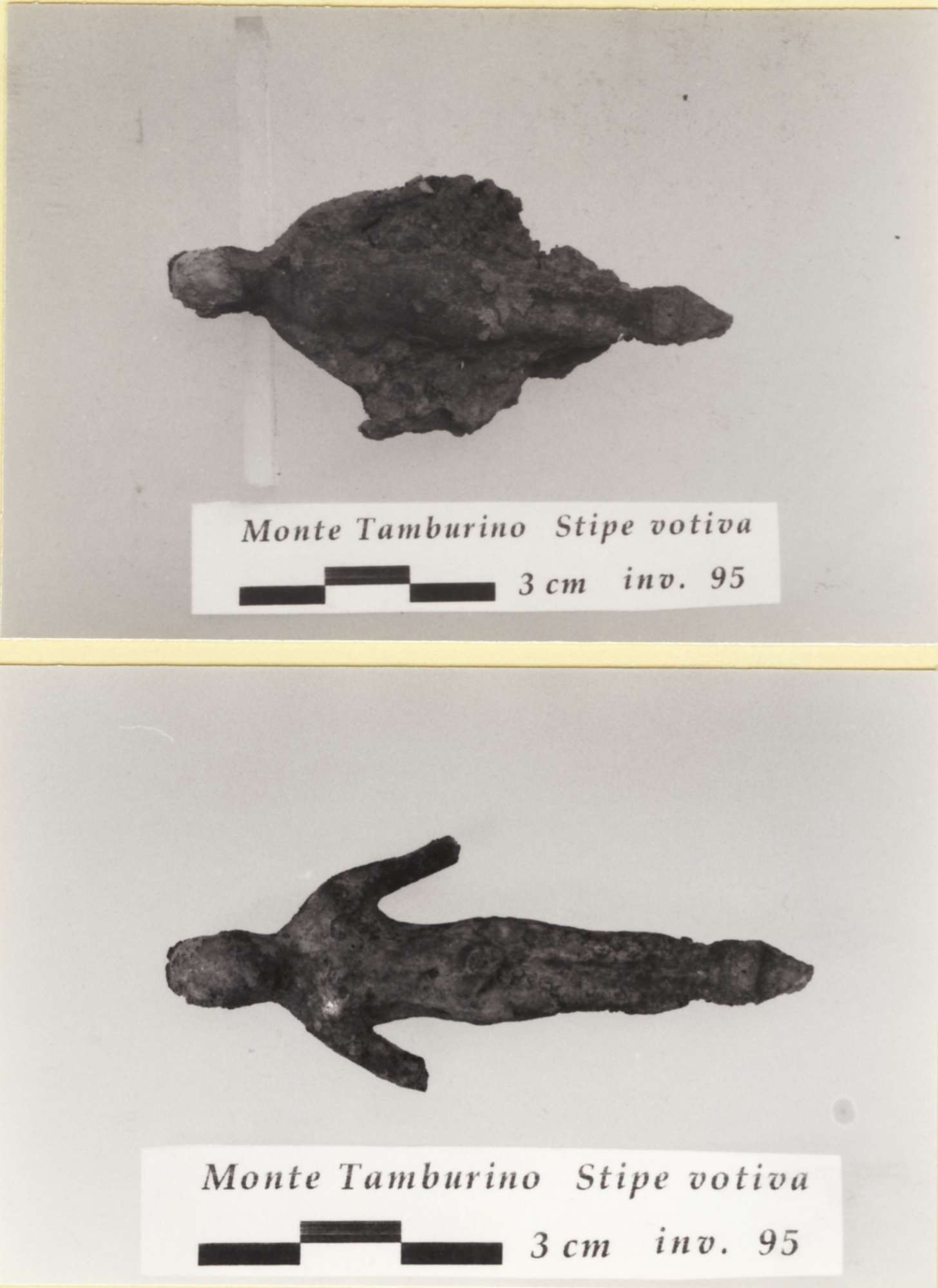
statuetta in bronzo prima e dopo il restauro
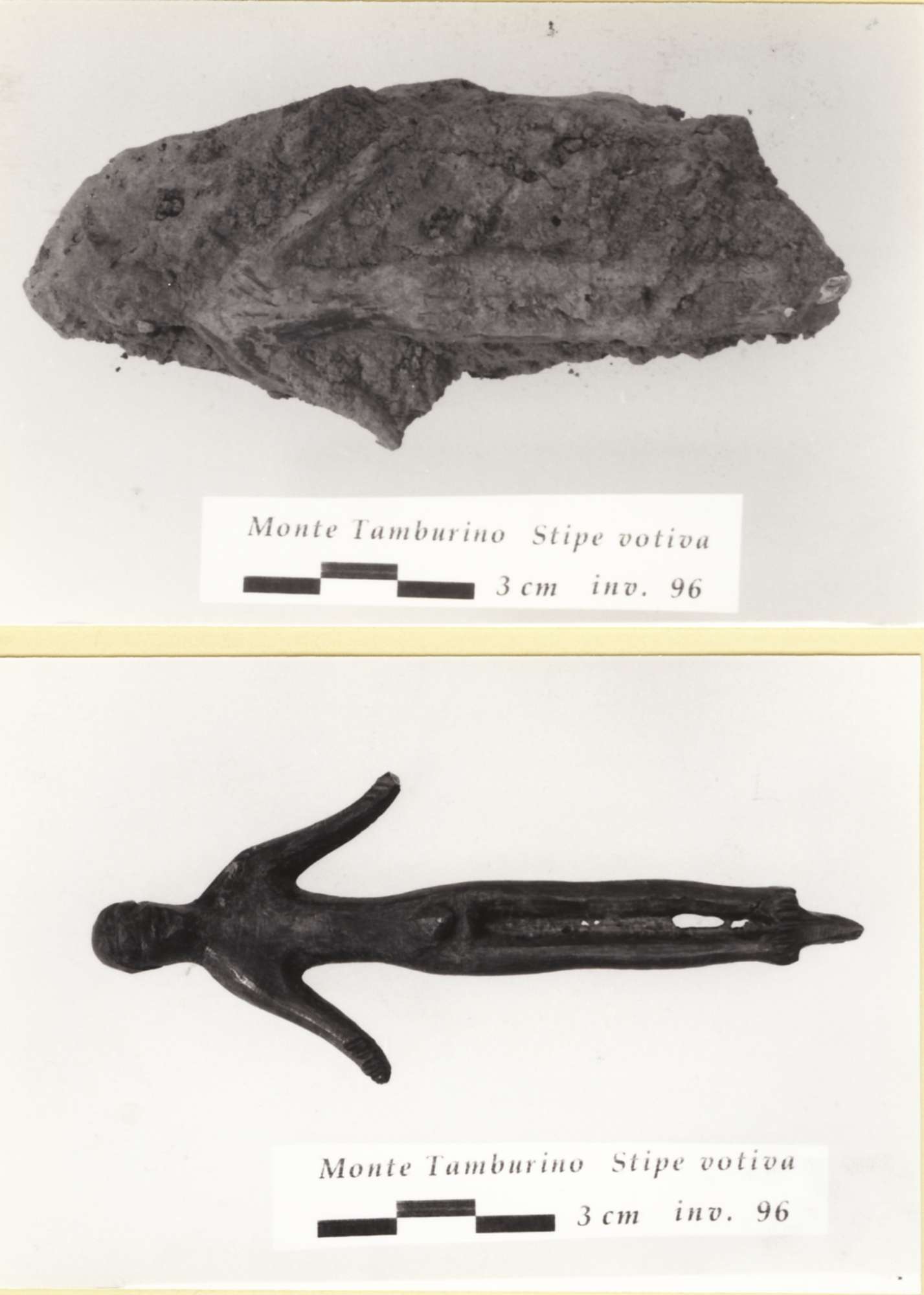
statuetta maschile in bronzo prima e dopo il restauro
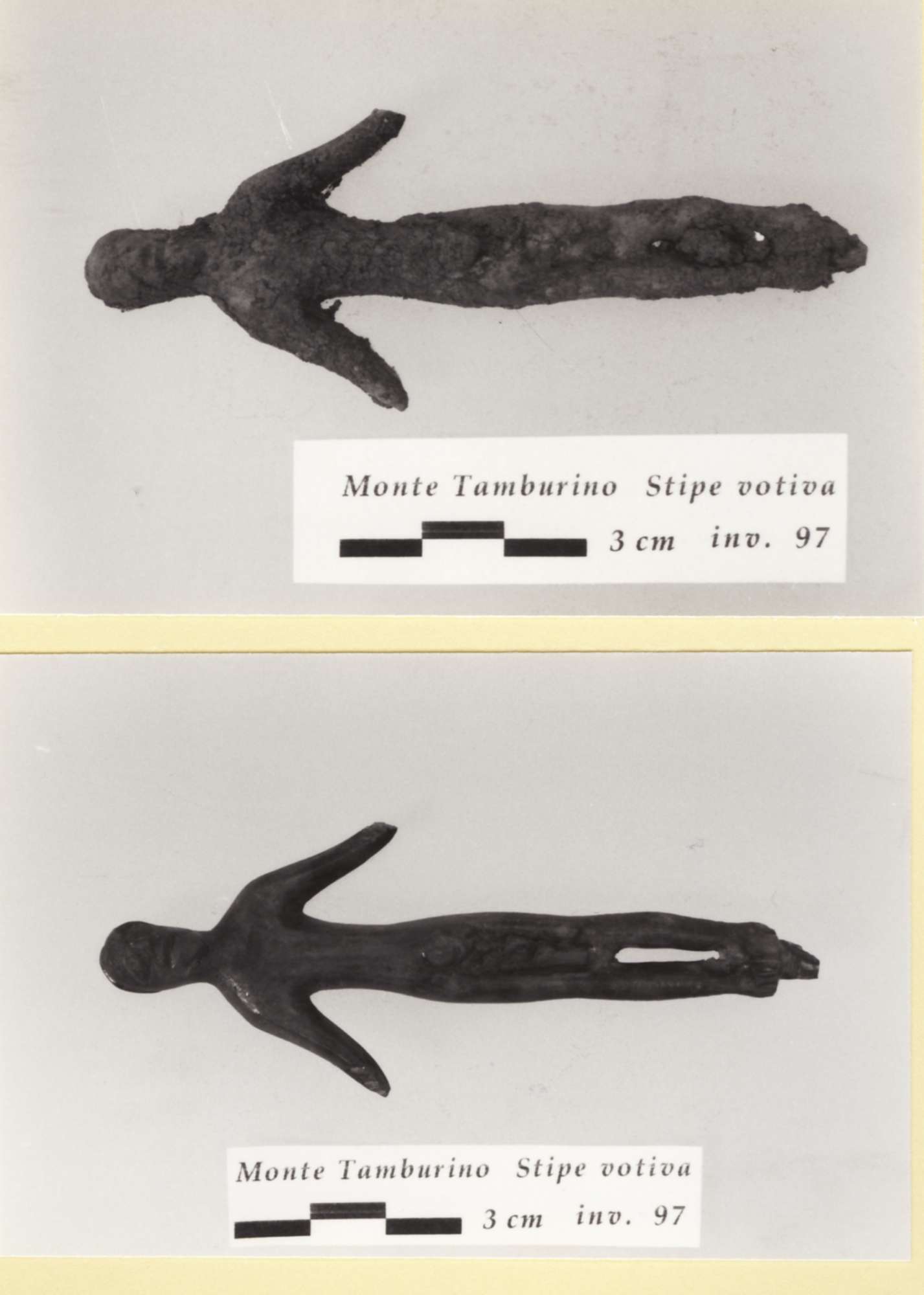
statuetta maschile in bronzo prima e dopo il restauro
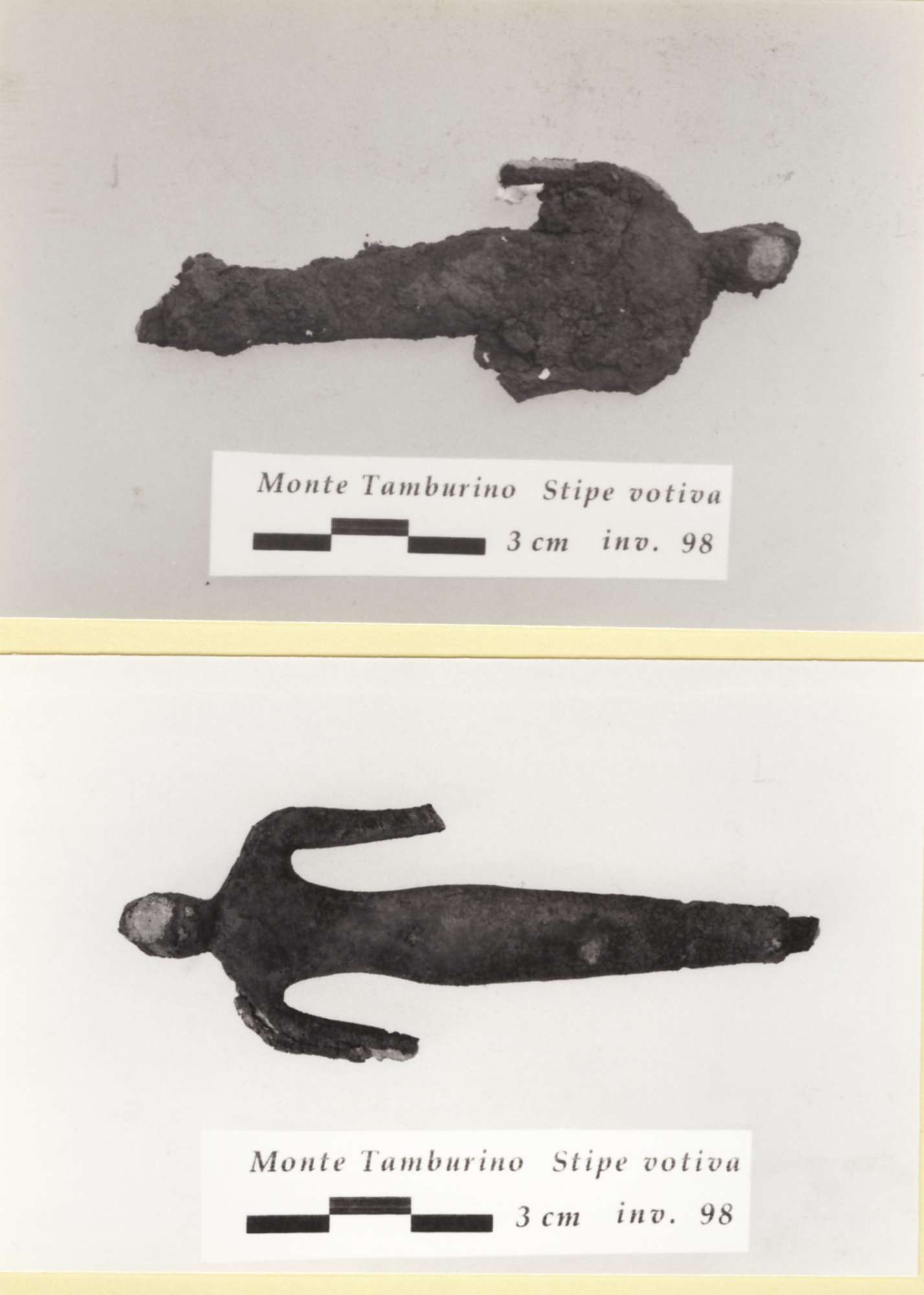
statuetta femminile in bronzo prima e dopo il restauro
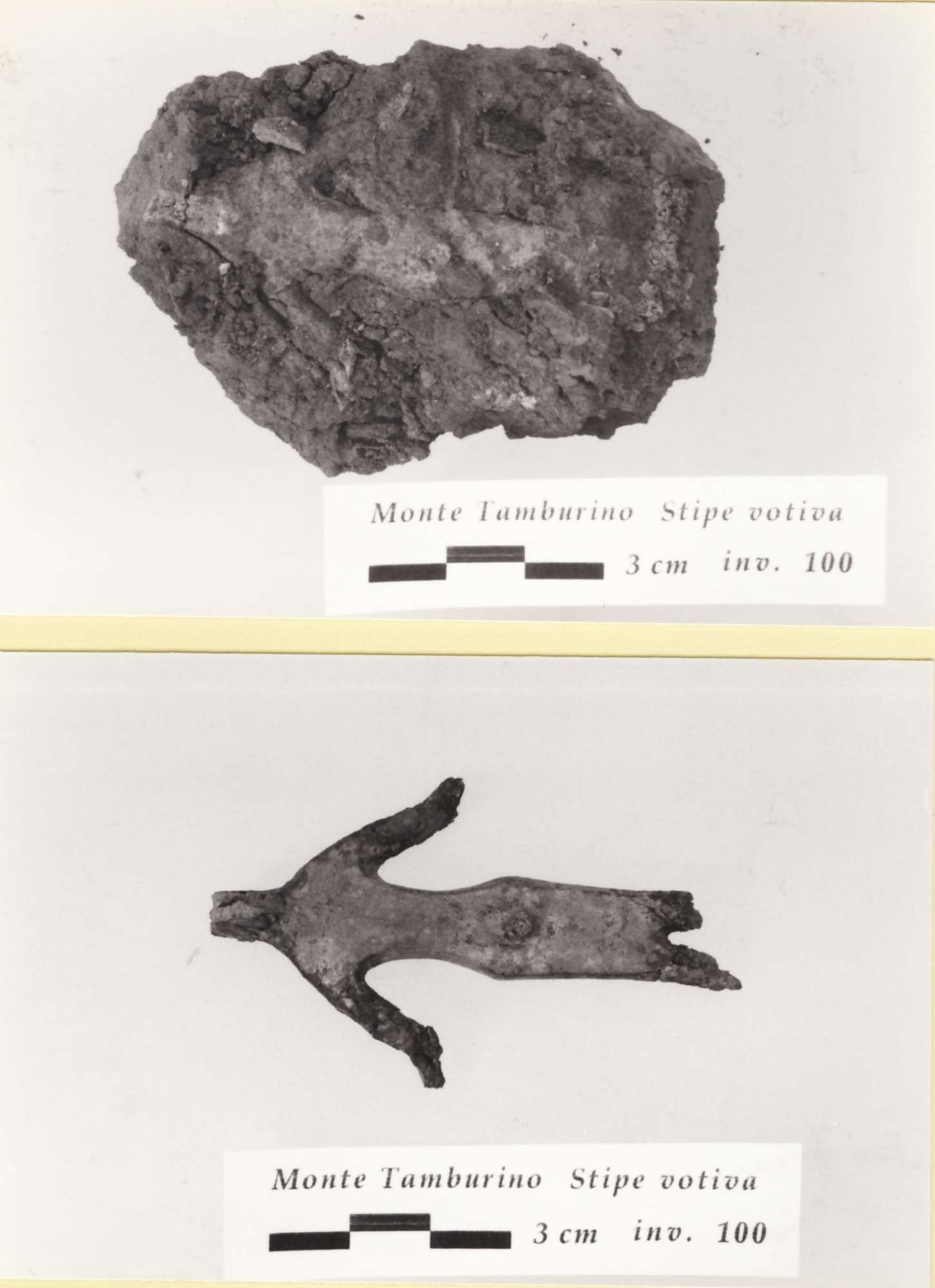
statuetta maschile in bronzo prima e dopo il restauro
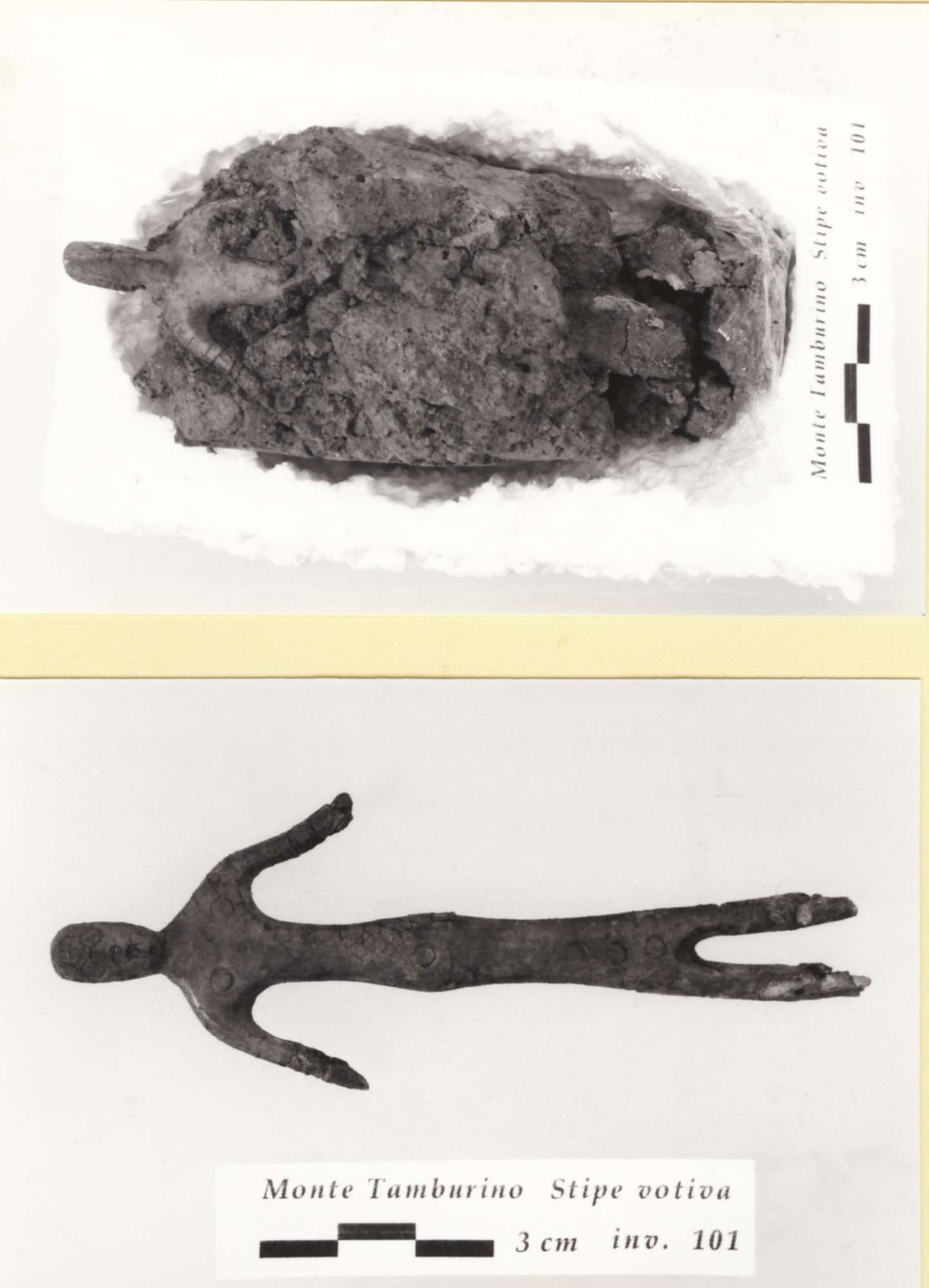
statuetta femminile in bronzo prima e dopo il restauro
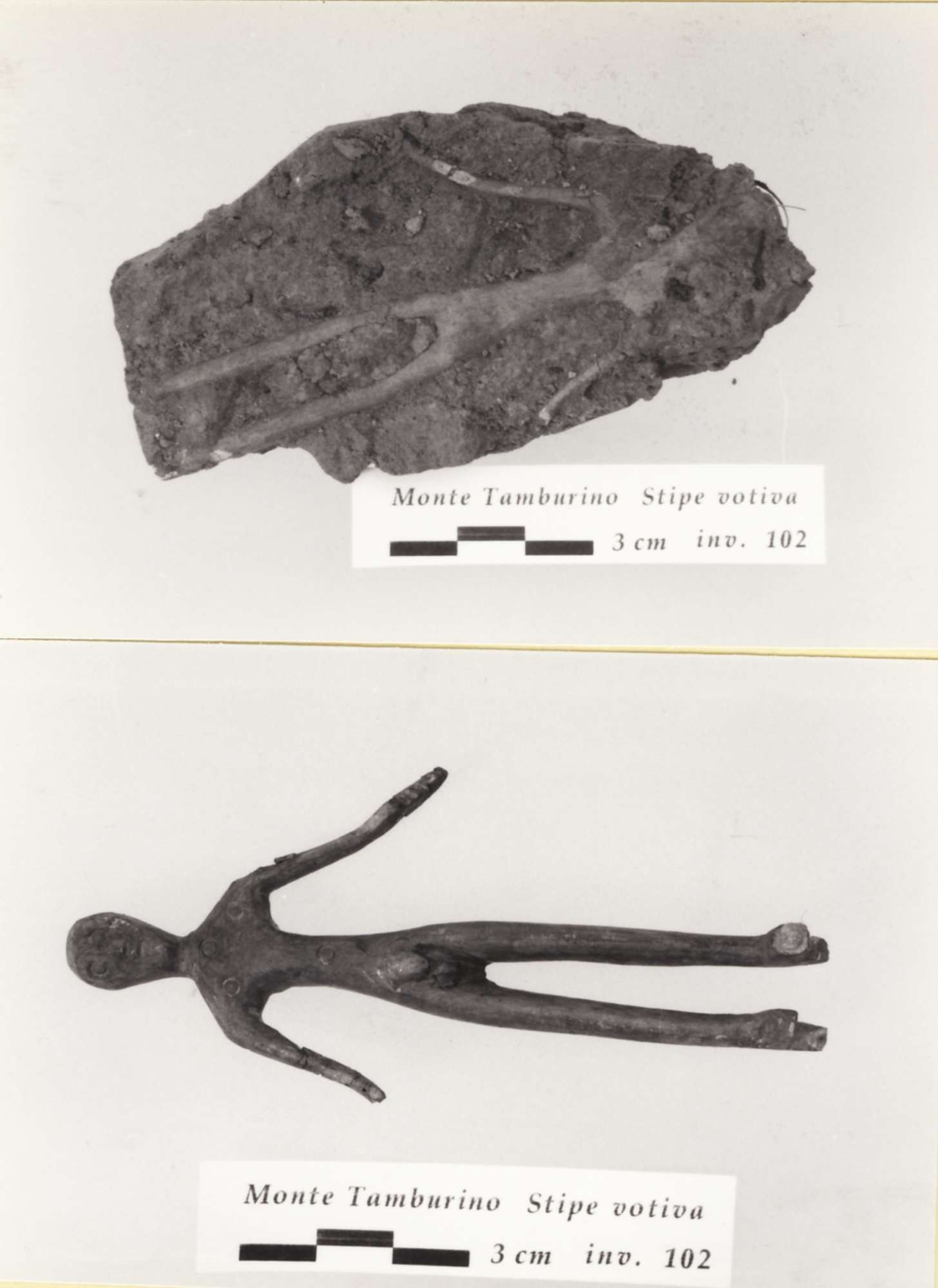
statuetta maschile in bronzo prima e dopo il restauro
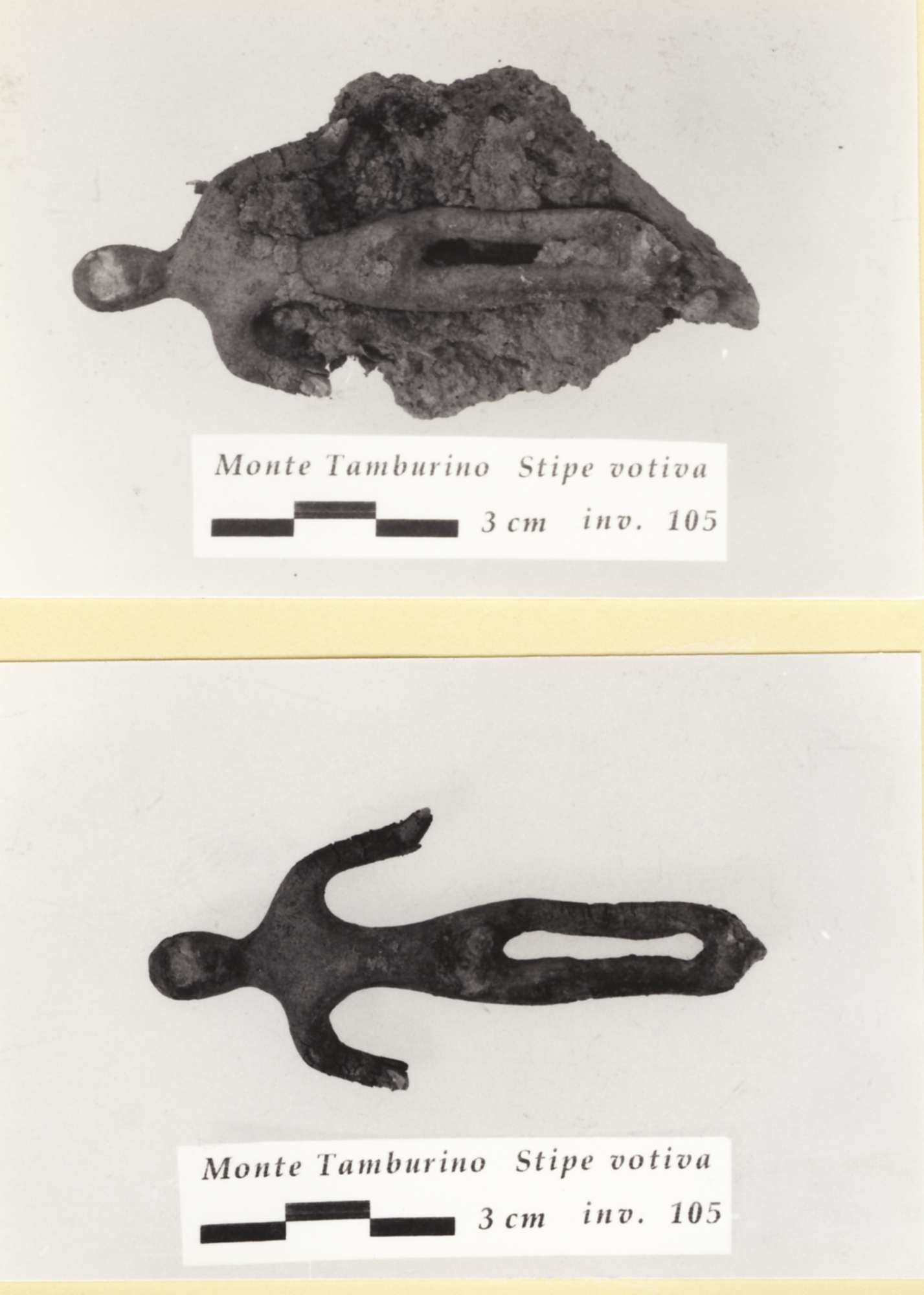
statuetta maschile in bronzo prima e dopo il restauro
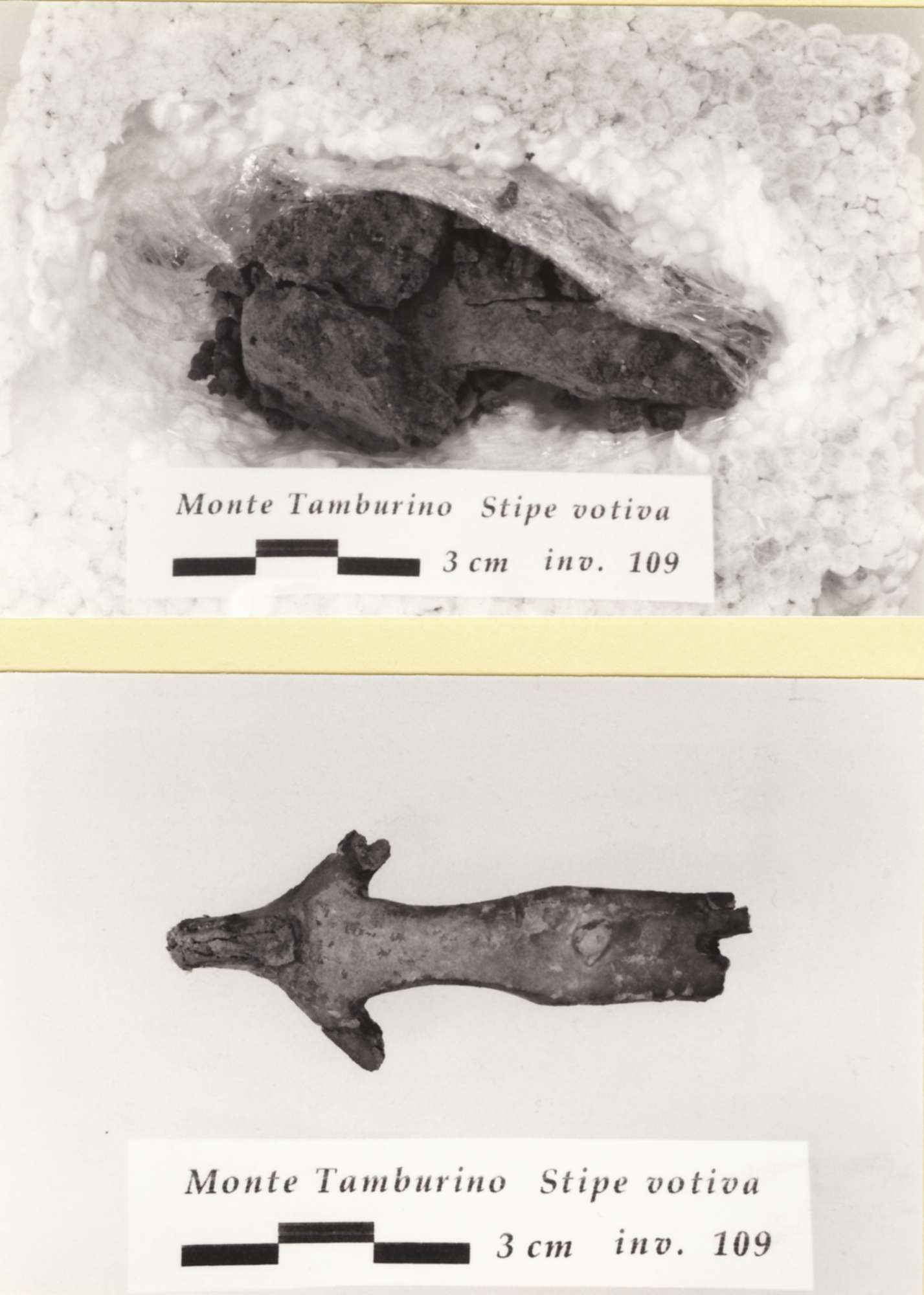
statuetta maschile in bronzo prima e dopo il restauro
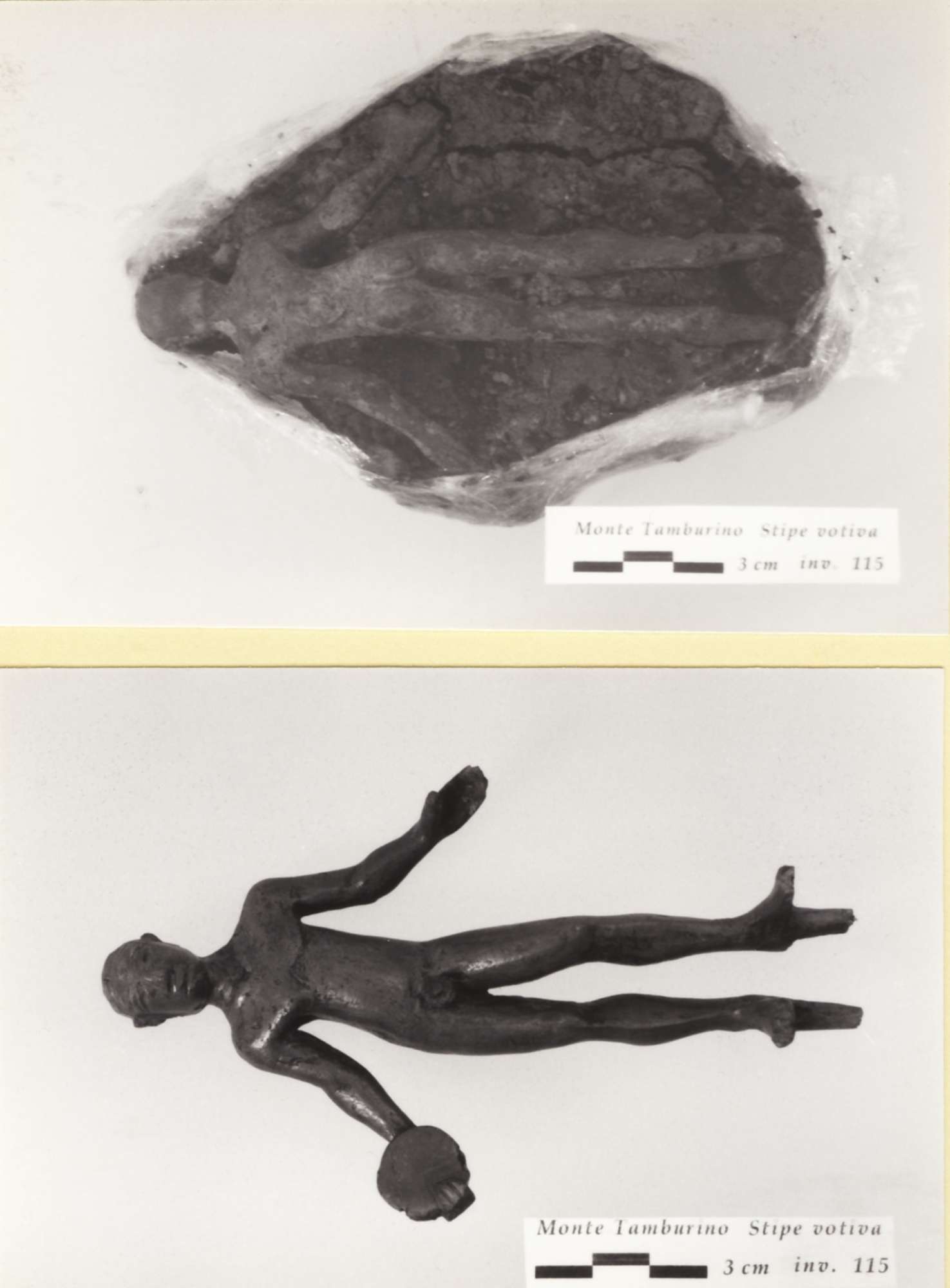
statuetta di discobolo in bronzo prima e dopo il restauro
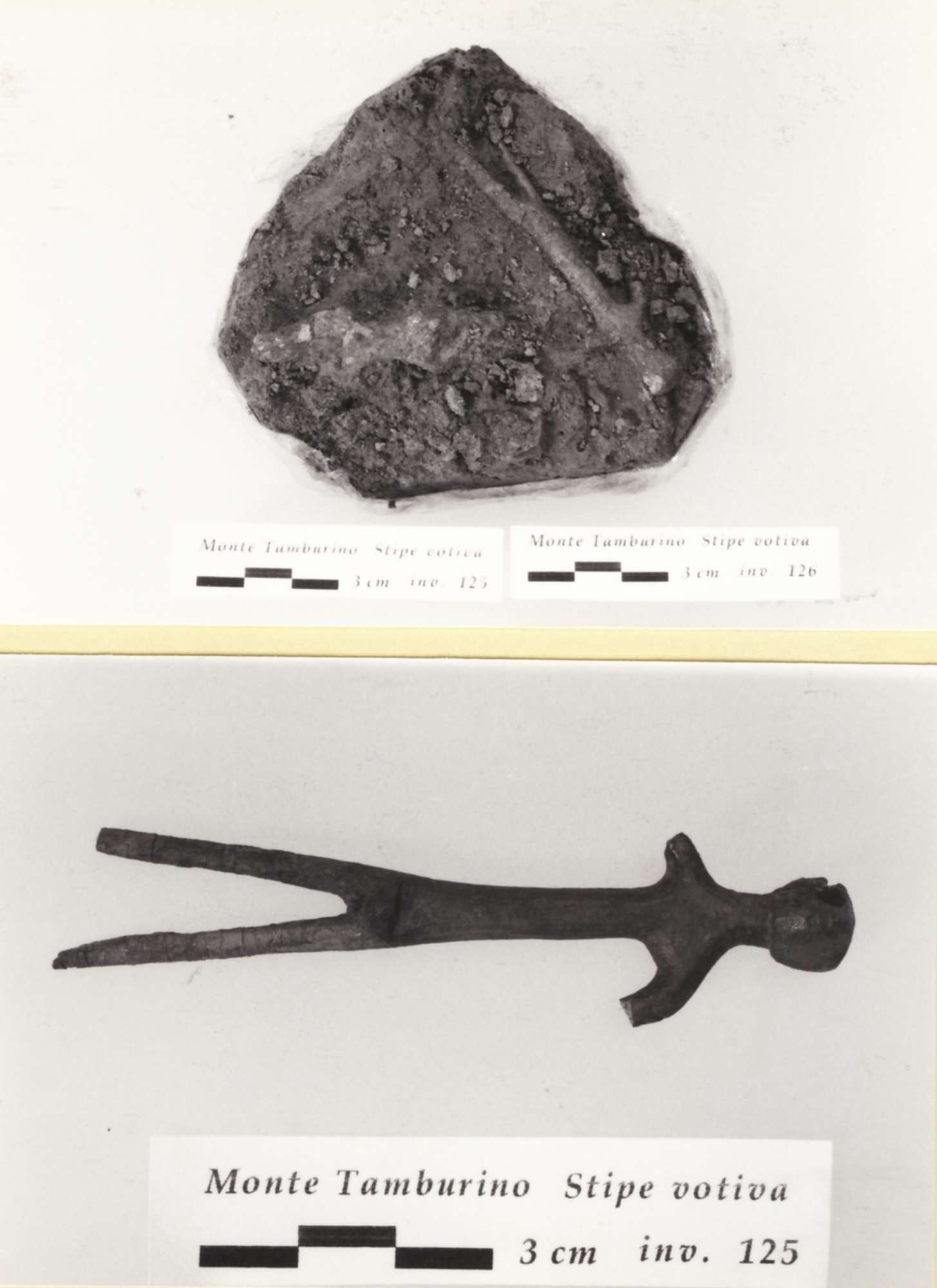
statuetta maschile in bronzo prima e dopo il restauro
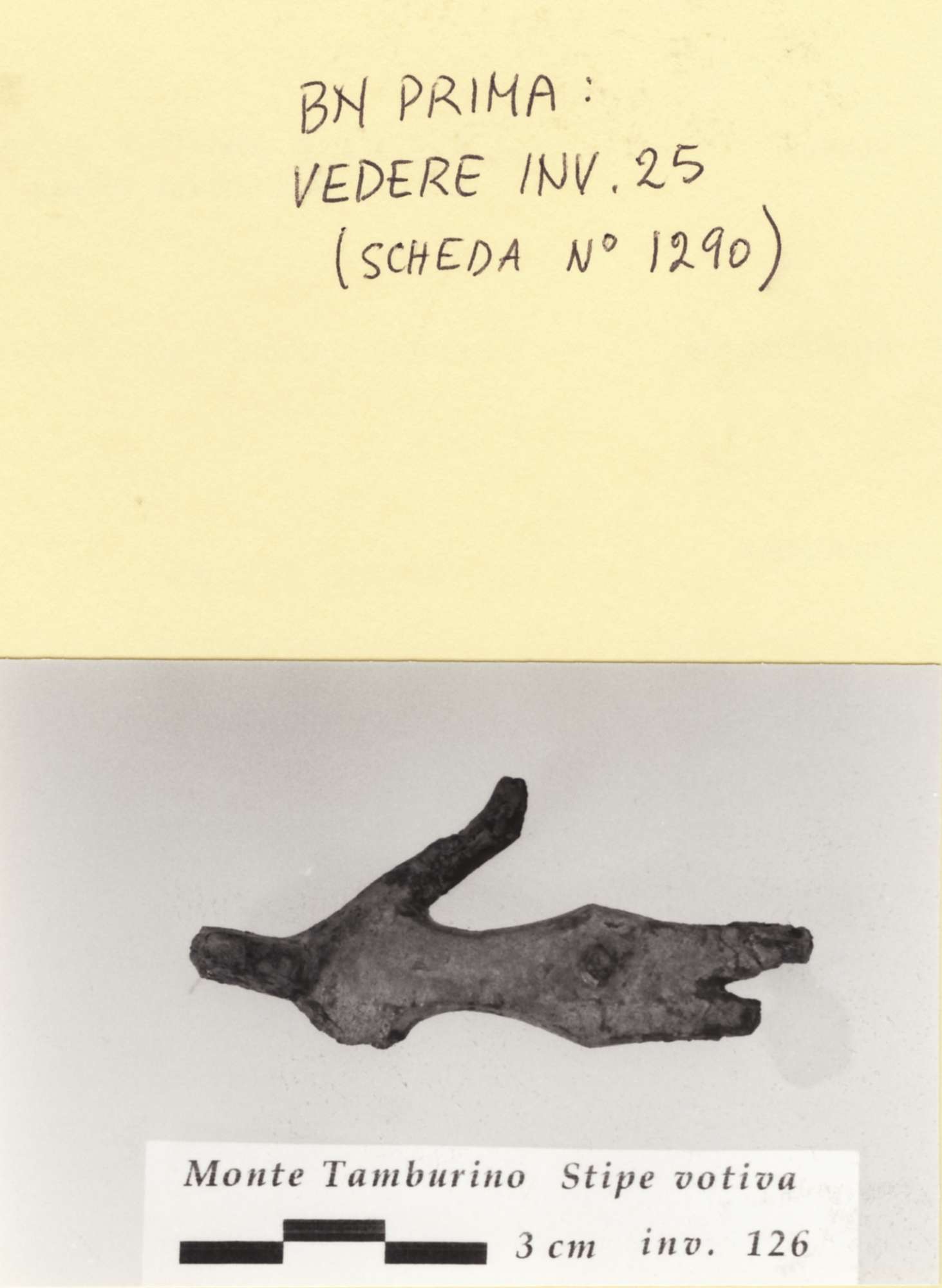
statuetta maschile in bronzo prima e dopo il restauro
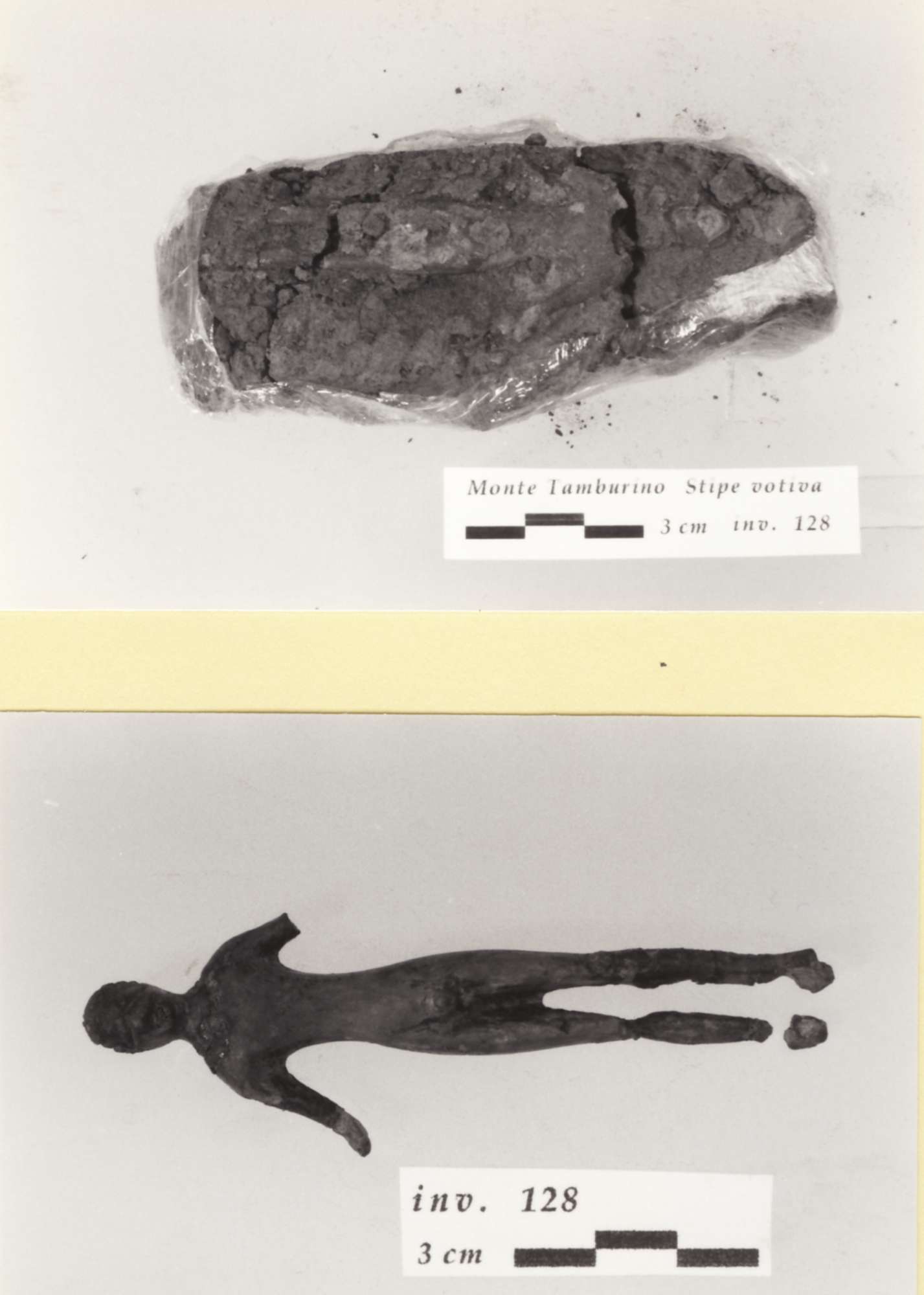
statuetta di guerriero in bronzo prima e dopo il restauro
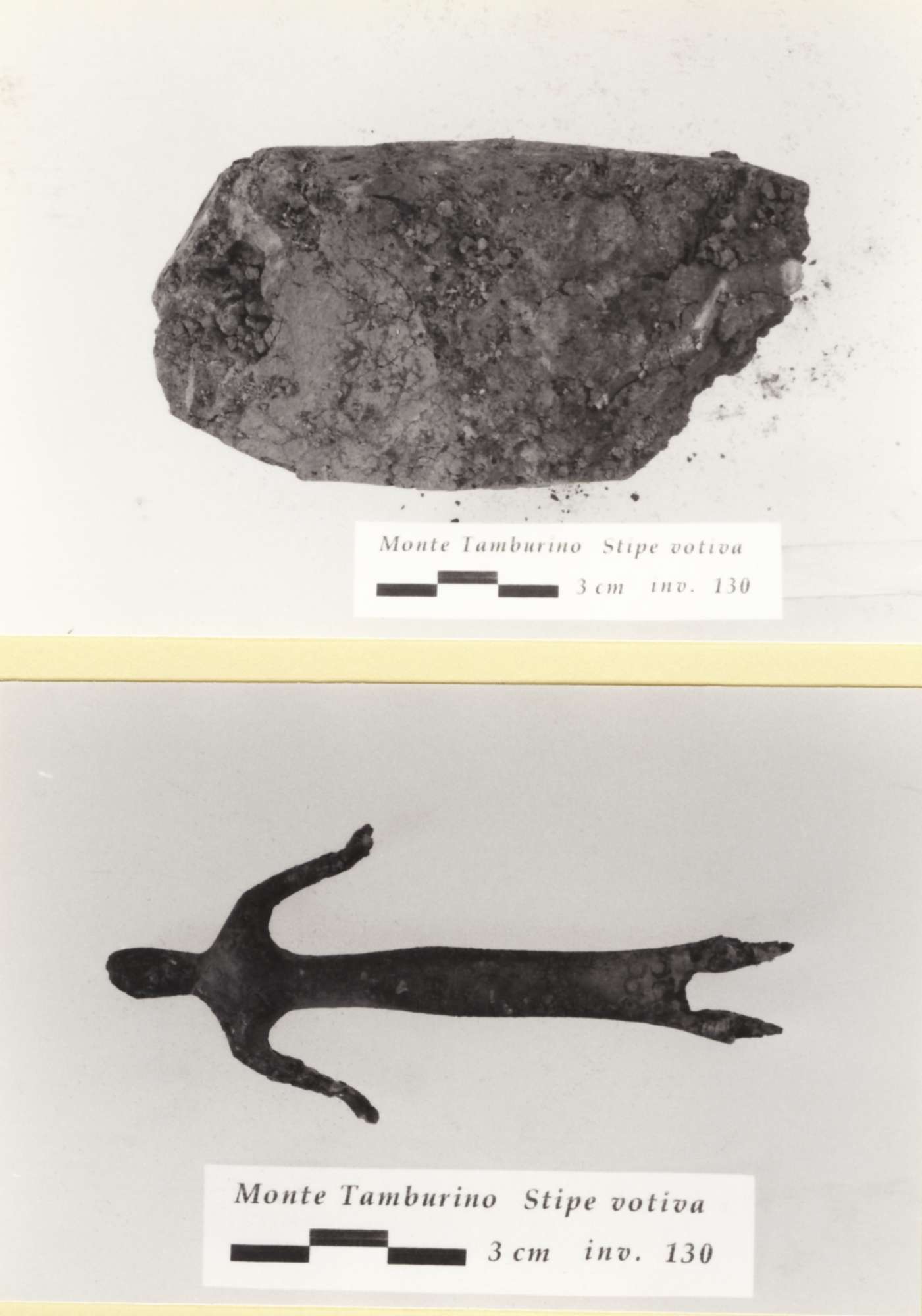
statuetta femminile in bronzo prima e dopo il restauro
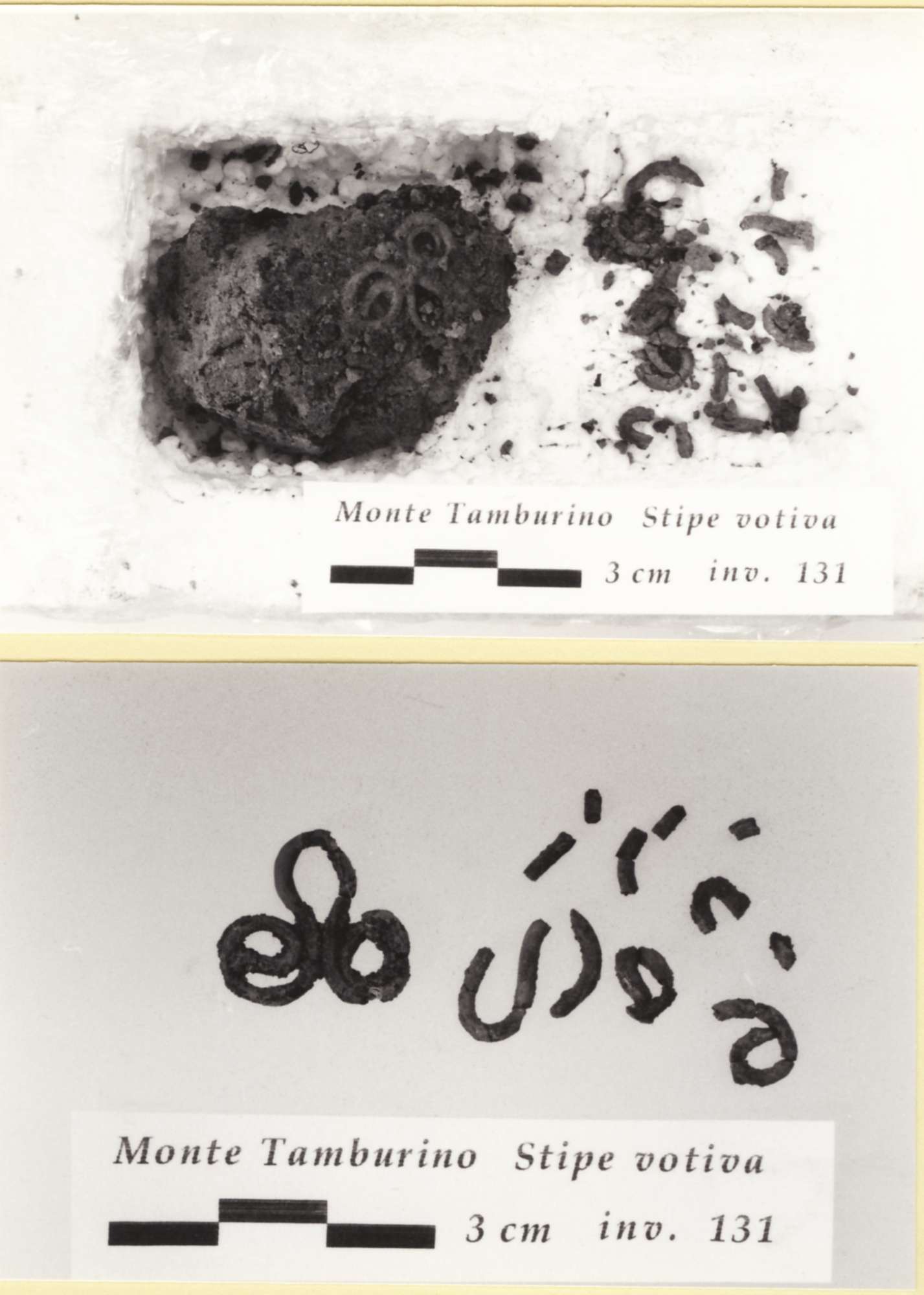
2 pendaglietti a occhialino in bronzo prima e dopo il restauro
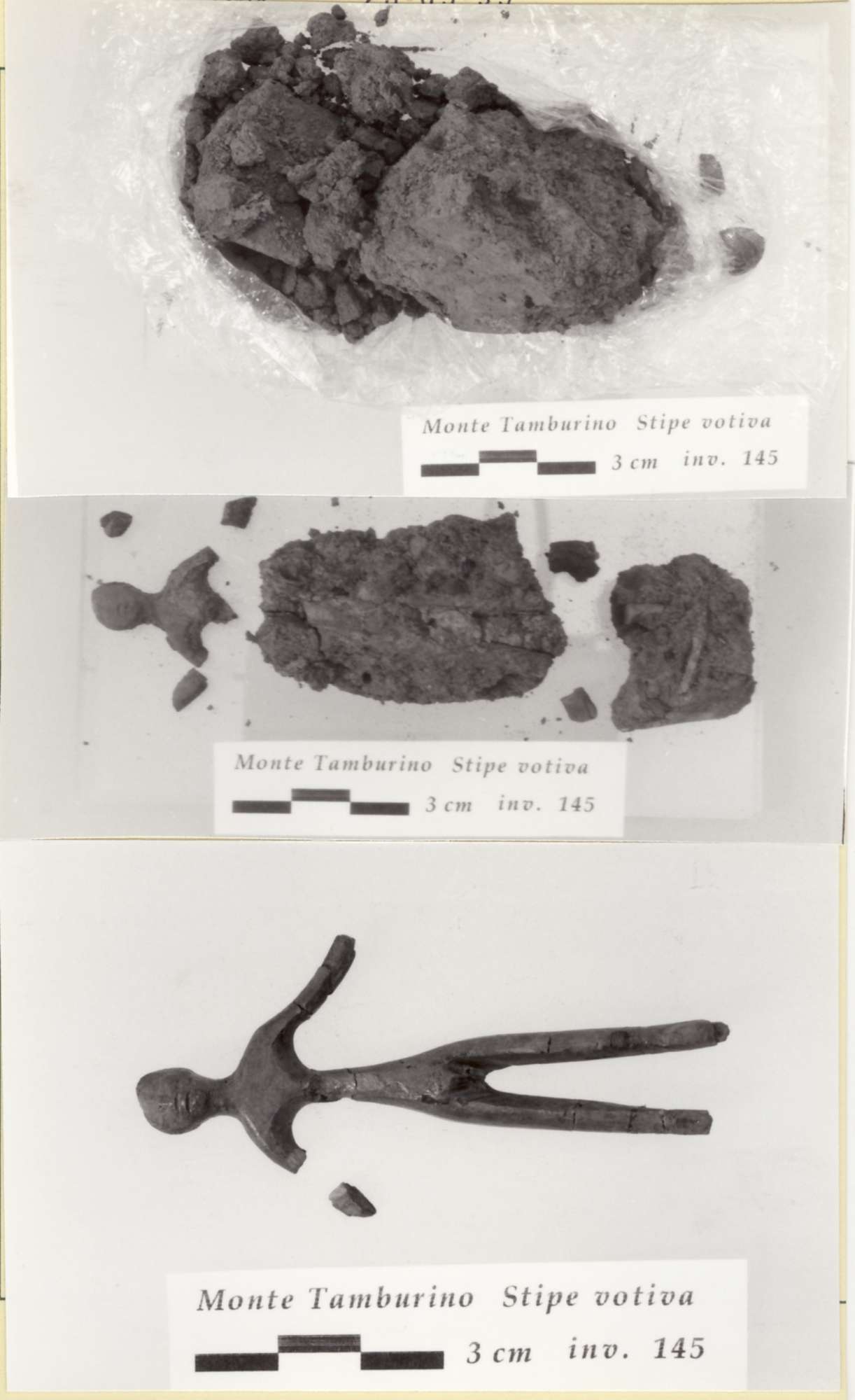
statuetta maschile in bronzo prima e dopo il restauro
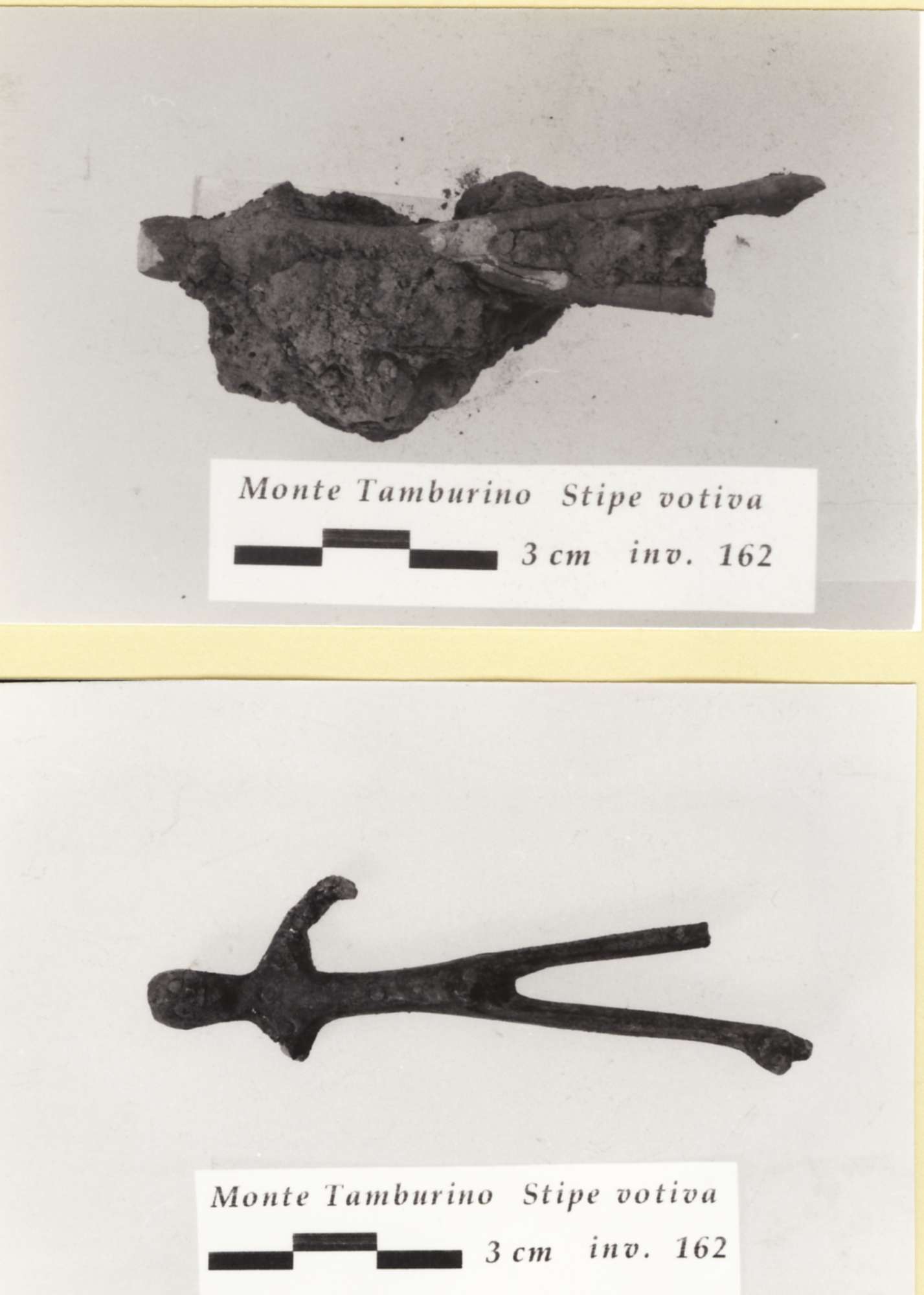
statuetta maschile in bronzo prima e dopo il restauro
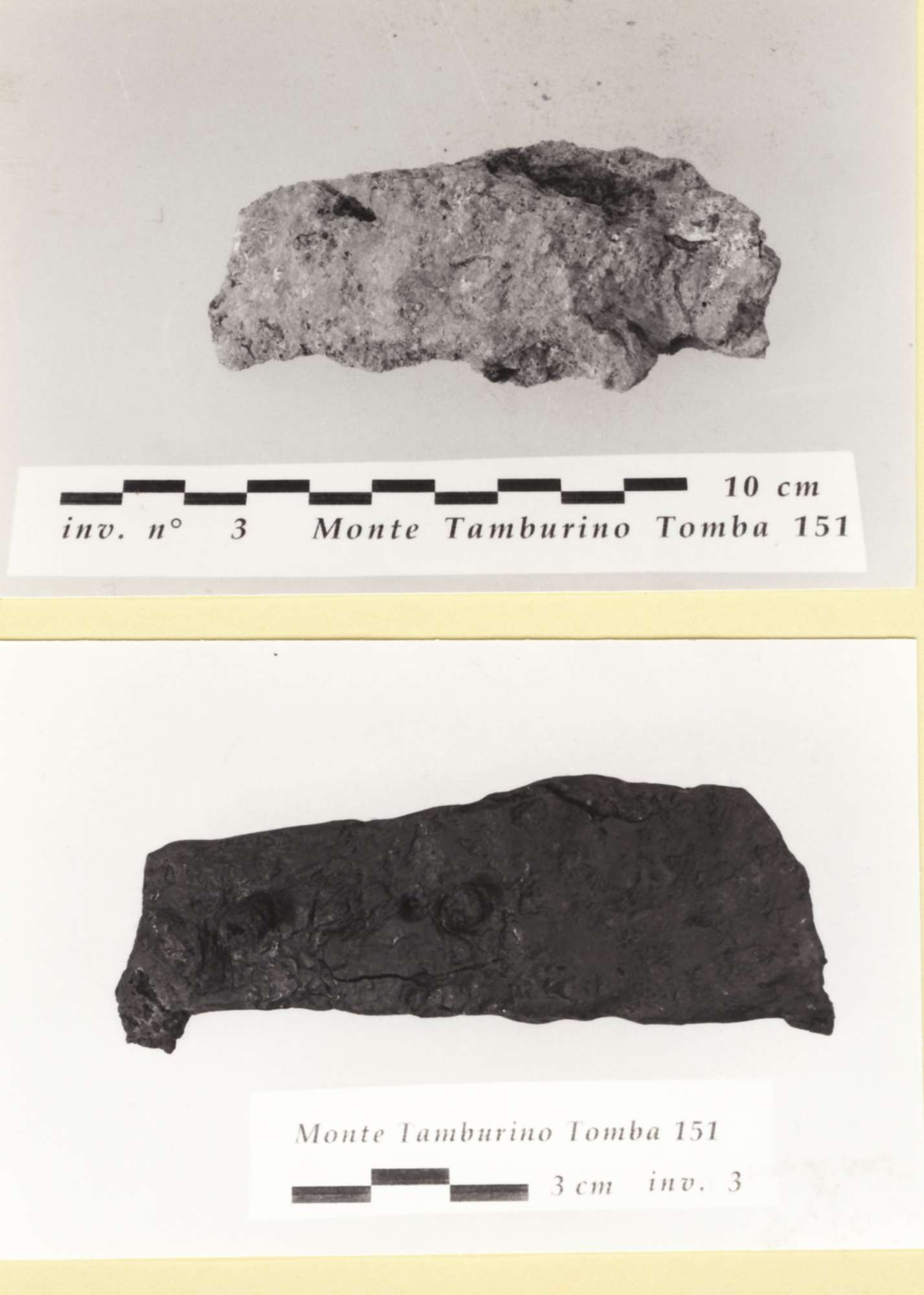
coltello con manico rivettato in ferro prima e dopo il restauro
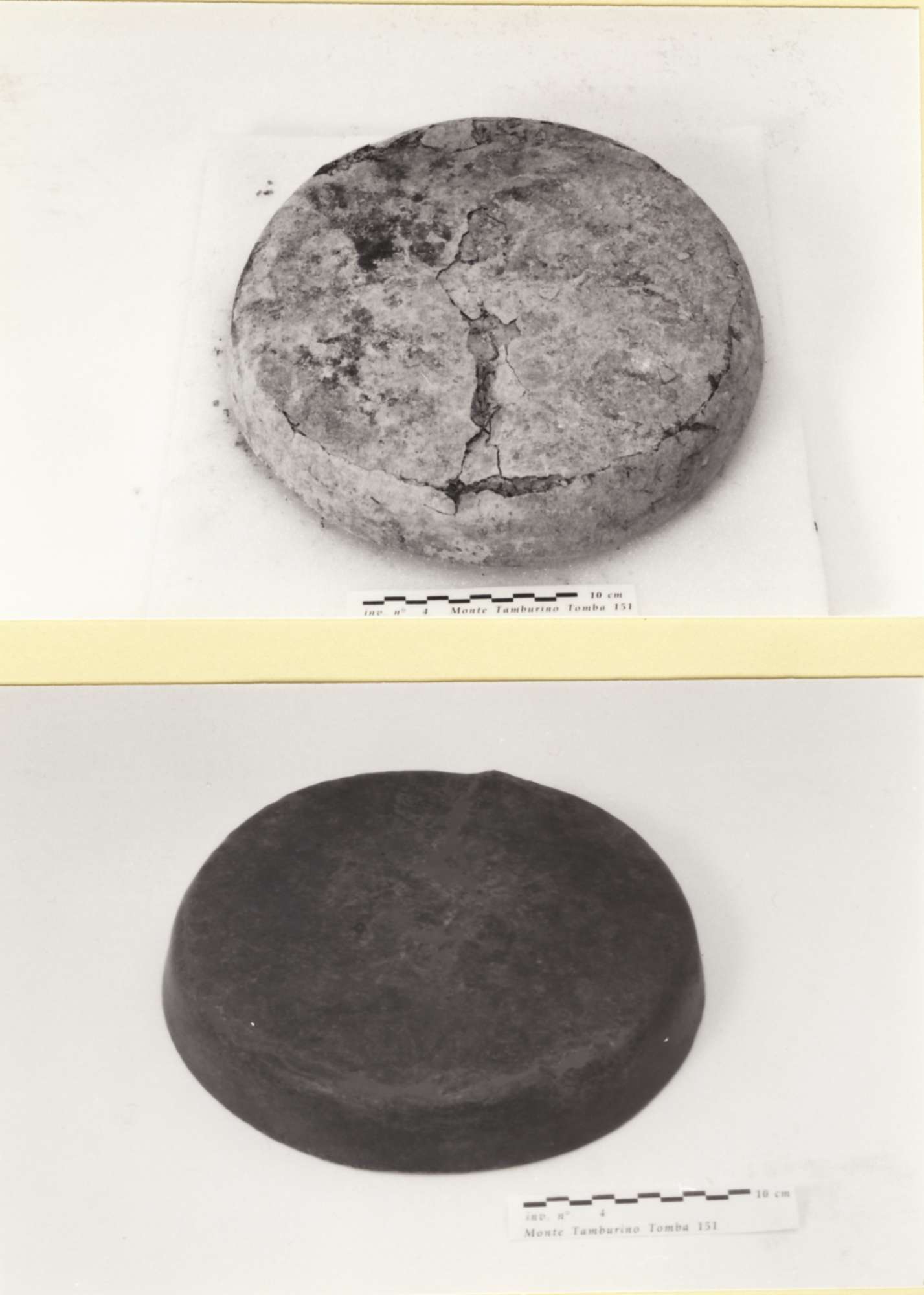
patera in bronzo prima e dopo il restauro
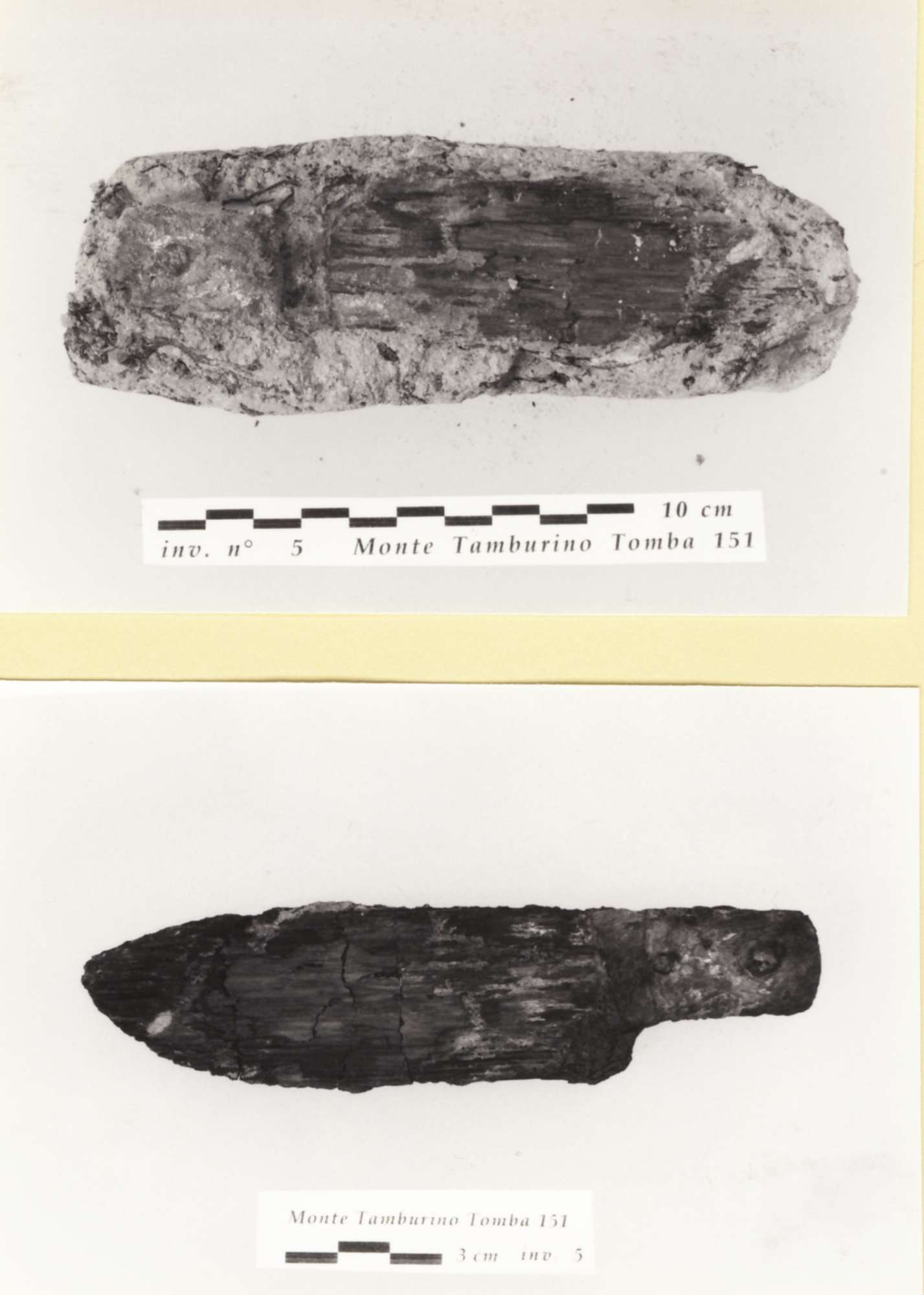
coltello in ferro e tracce di legno e bronzo prima e dopo il restauro
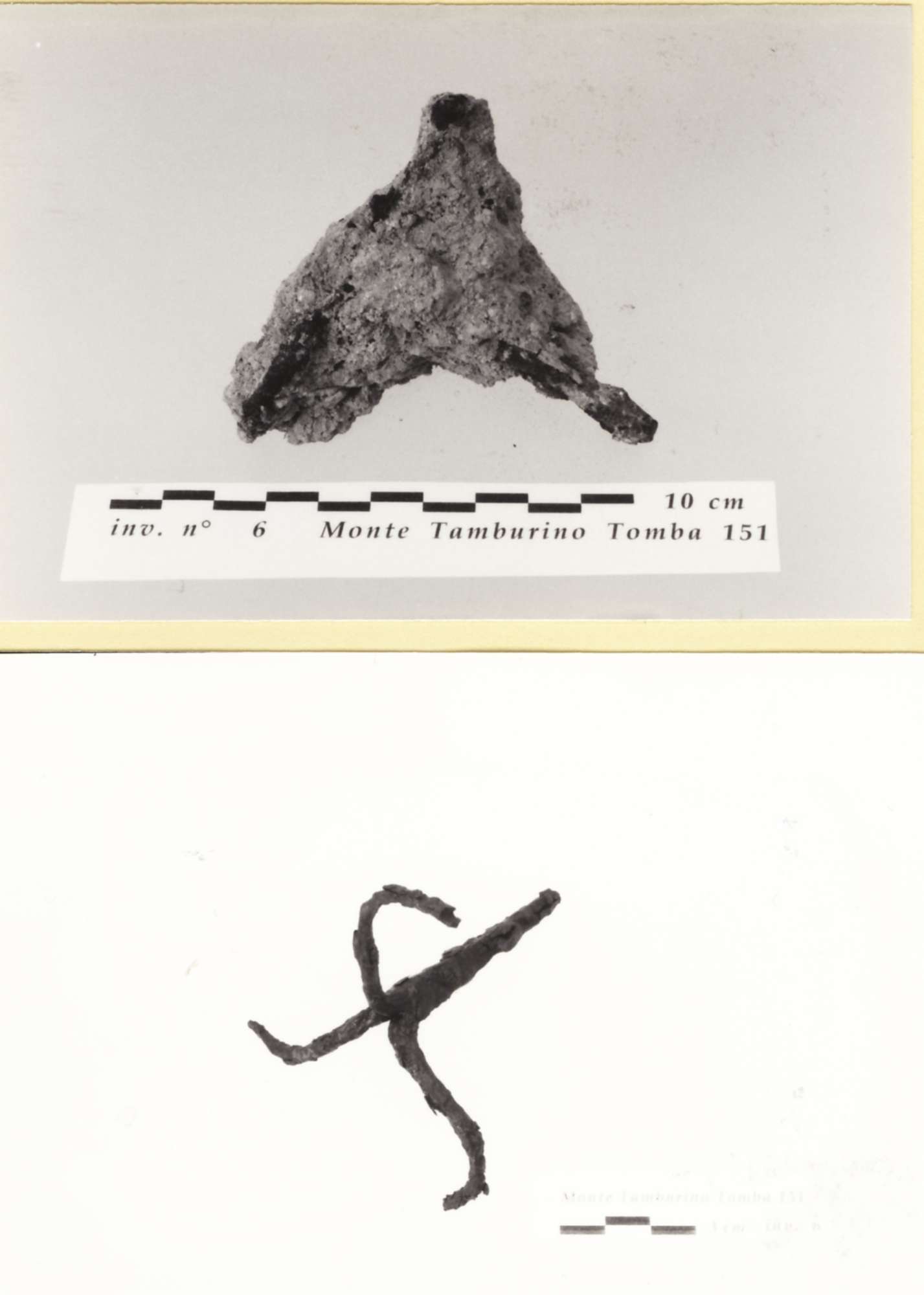
cimasa di candelabro in ferro prima e dopo il restauro
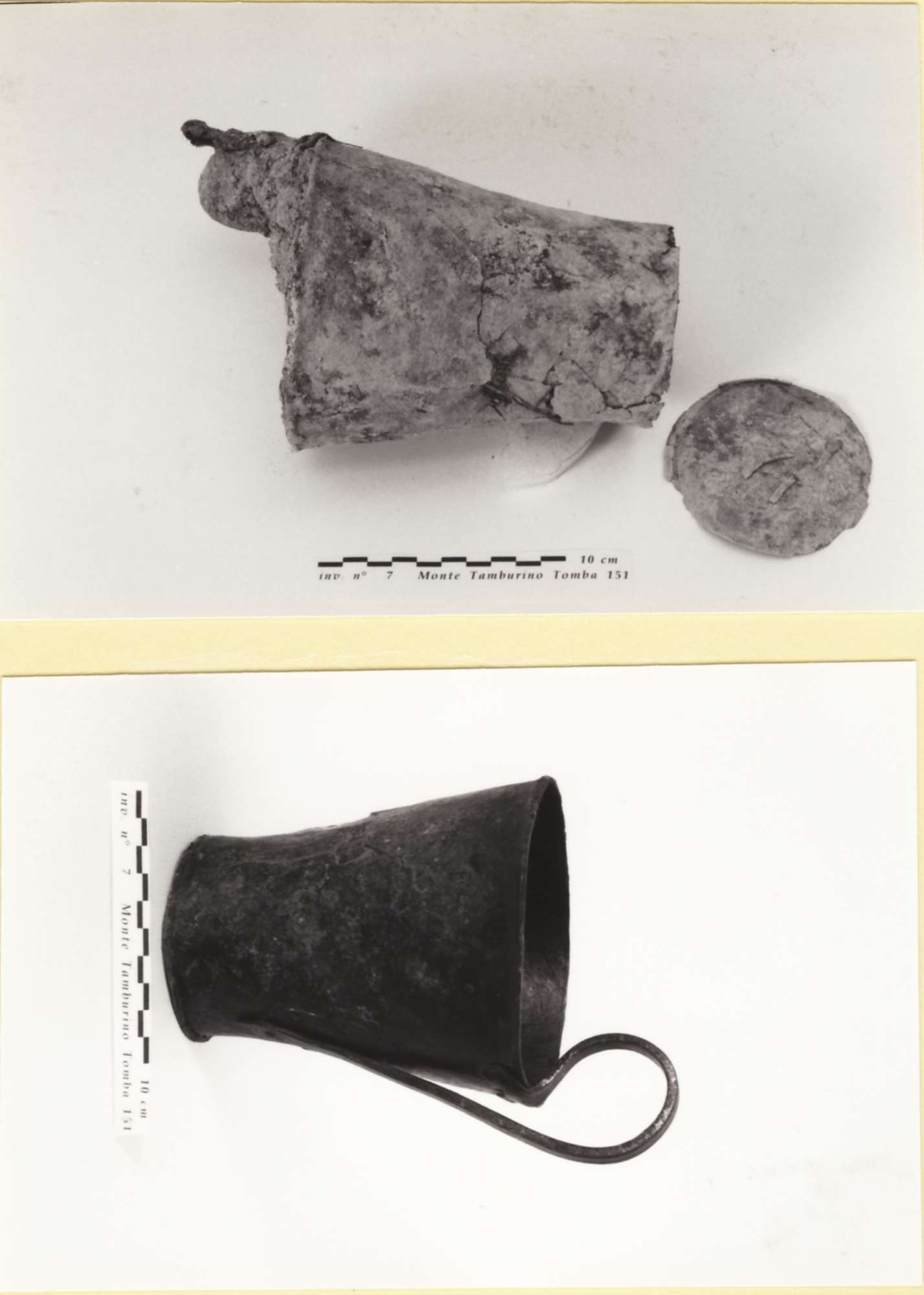
kyathos in bronzo prima e dopo il restauro
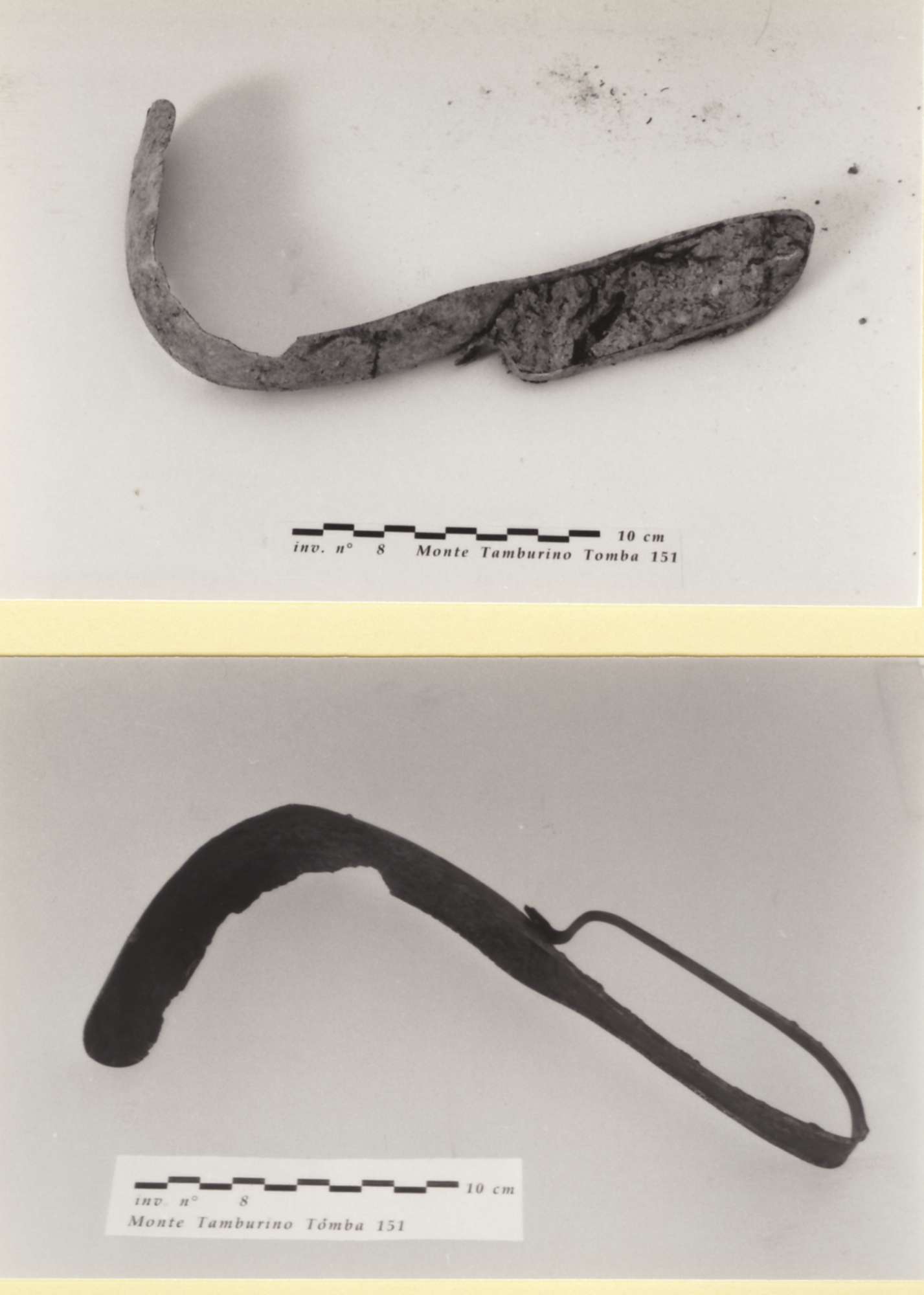
strigile bronzo e ferro con rivetto prima e dopo il restauro
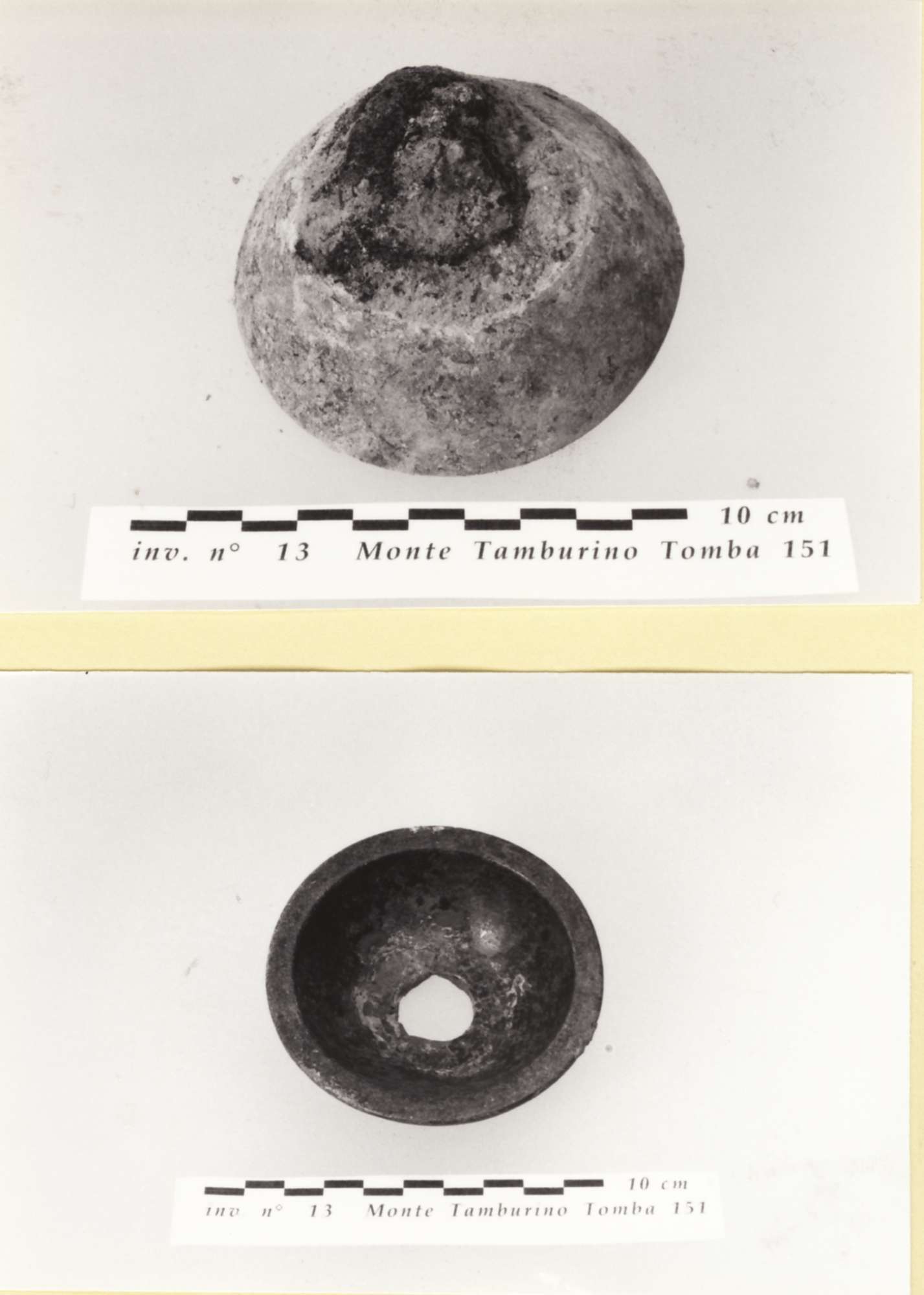
bocca di porta-unguenti o vaso a gabbia in bronzo prima e dopo il restauro
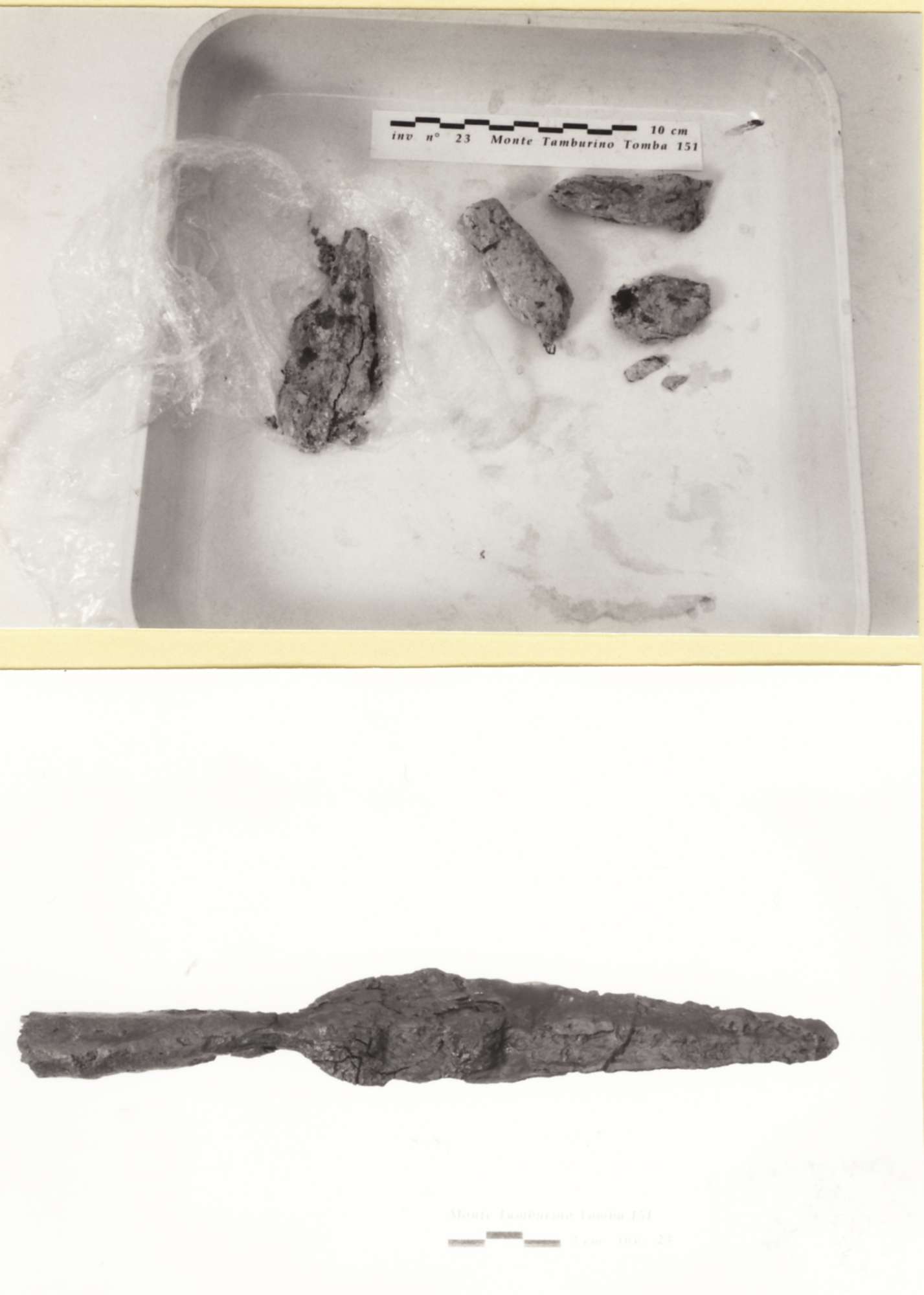
punta di lancia prima e dopo il restauro
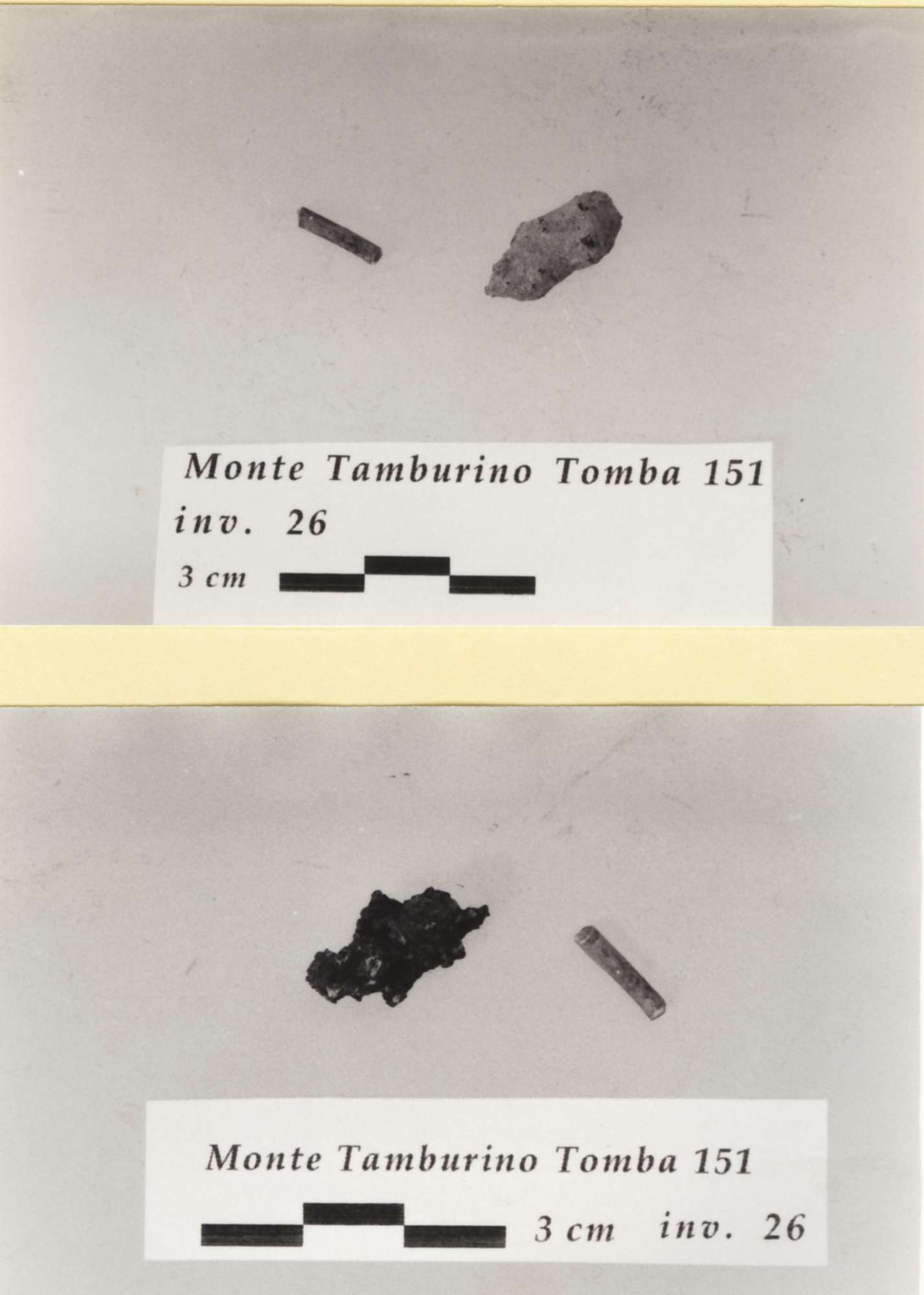
2 frammenti non identificati in bronzo e ferro prima e dopo il restauro
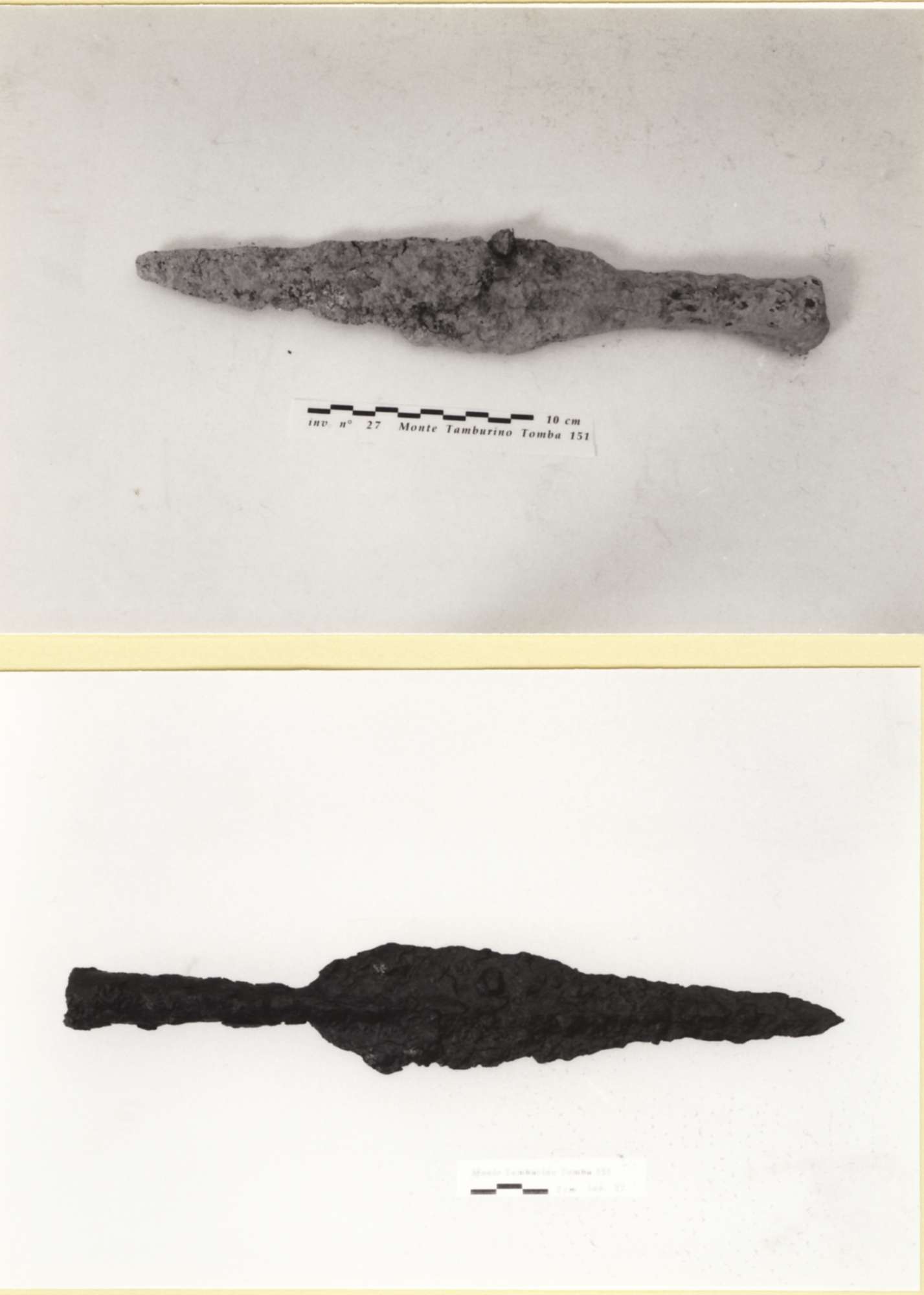
punta di lancia in ferro prima e dopo il restauro
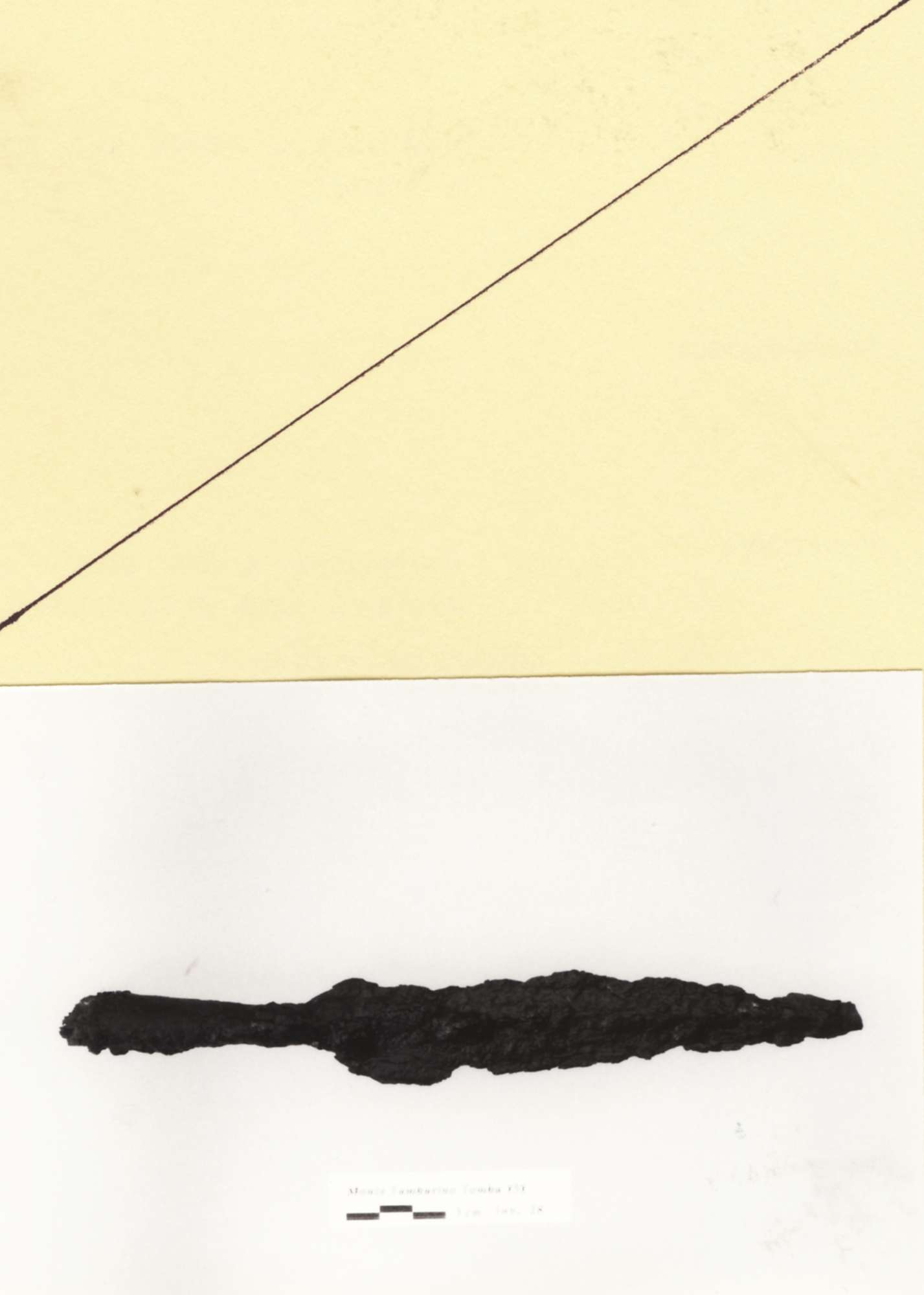
punta di lancia in ferro prima e dopo il restauro
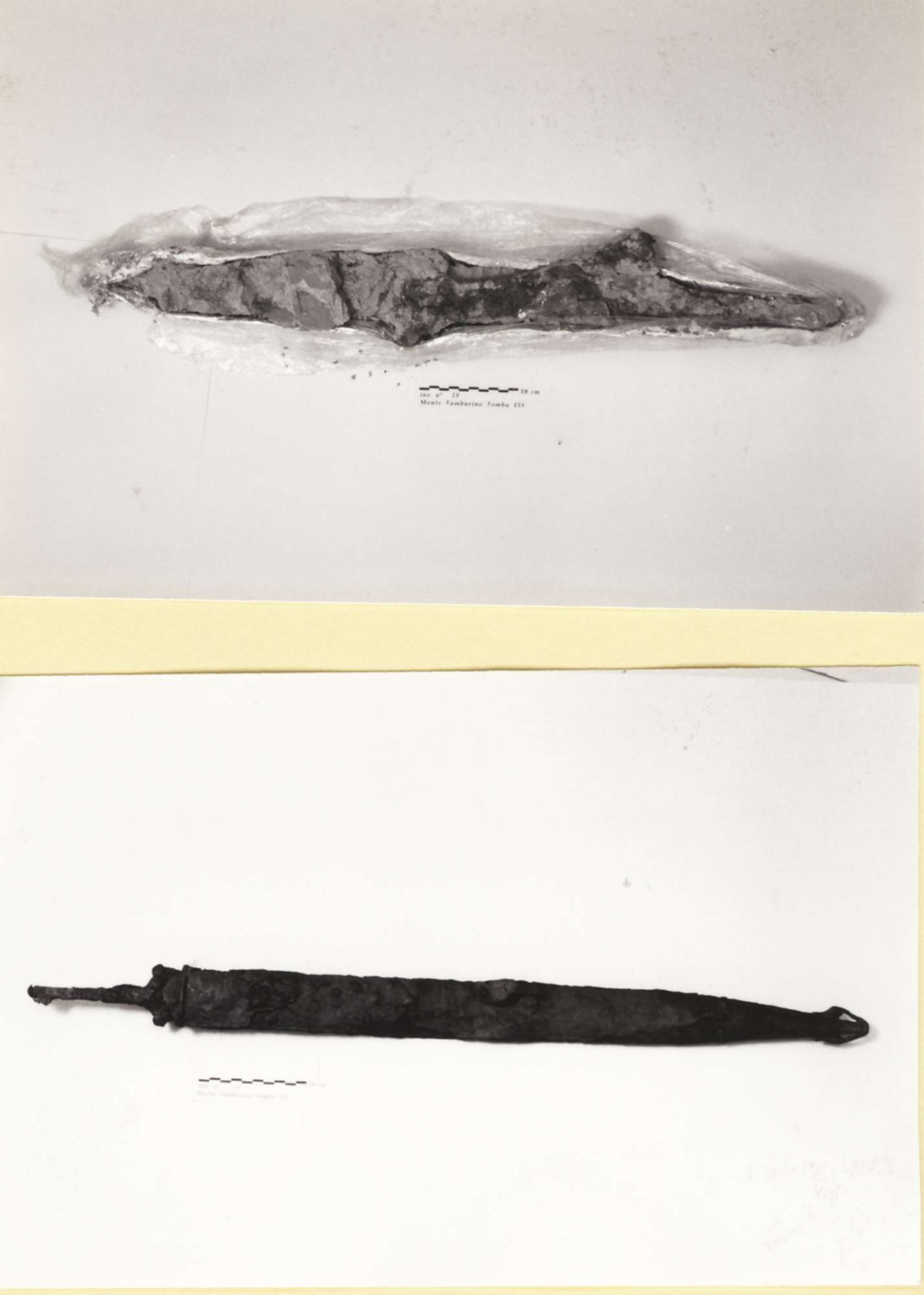
spada con fodero in ferro prima e dopo il restauro
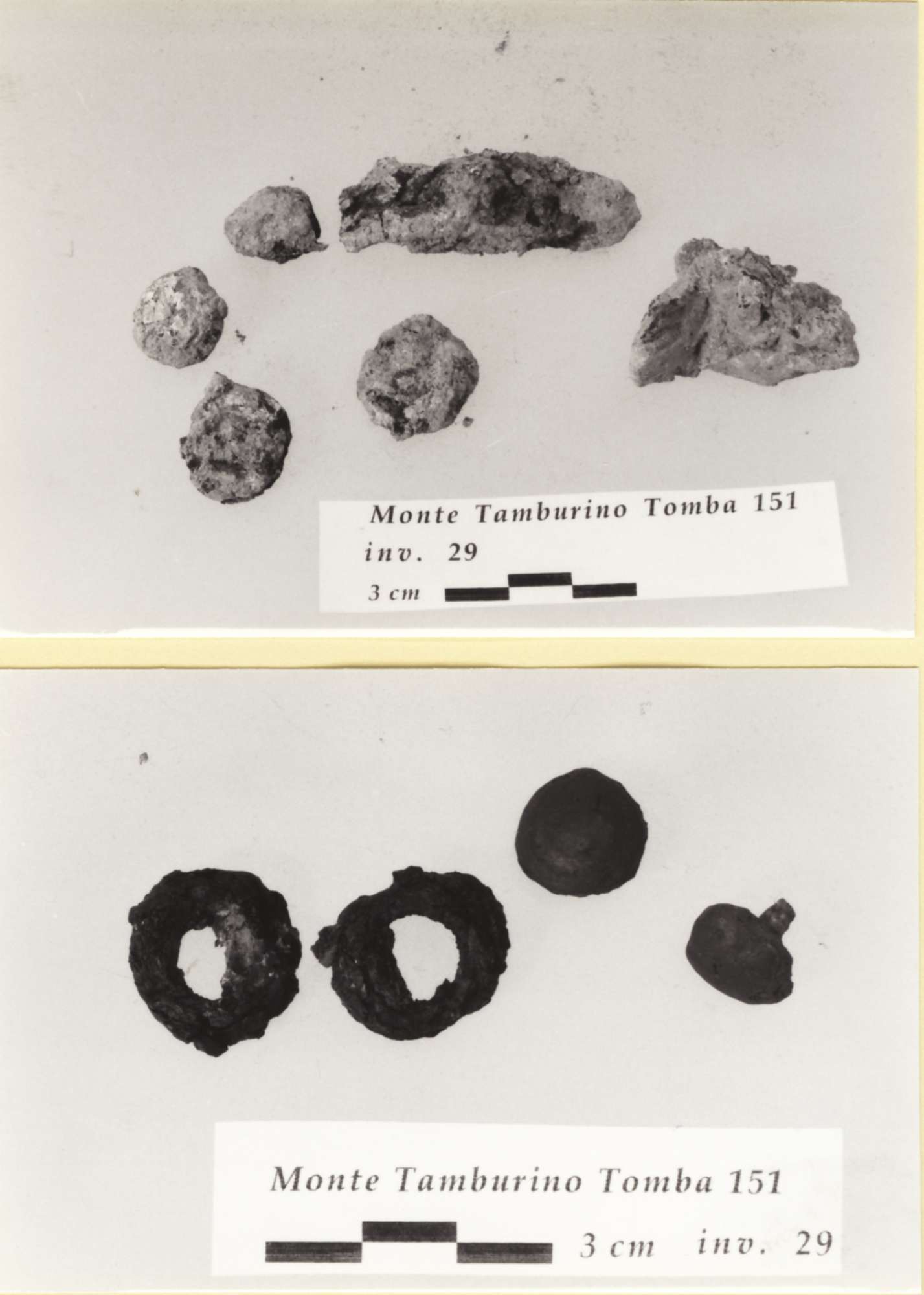
elementi pertinenti alla spada
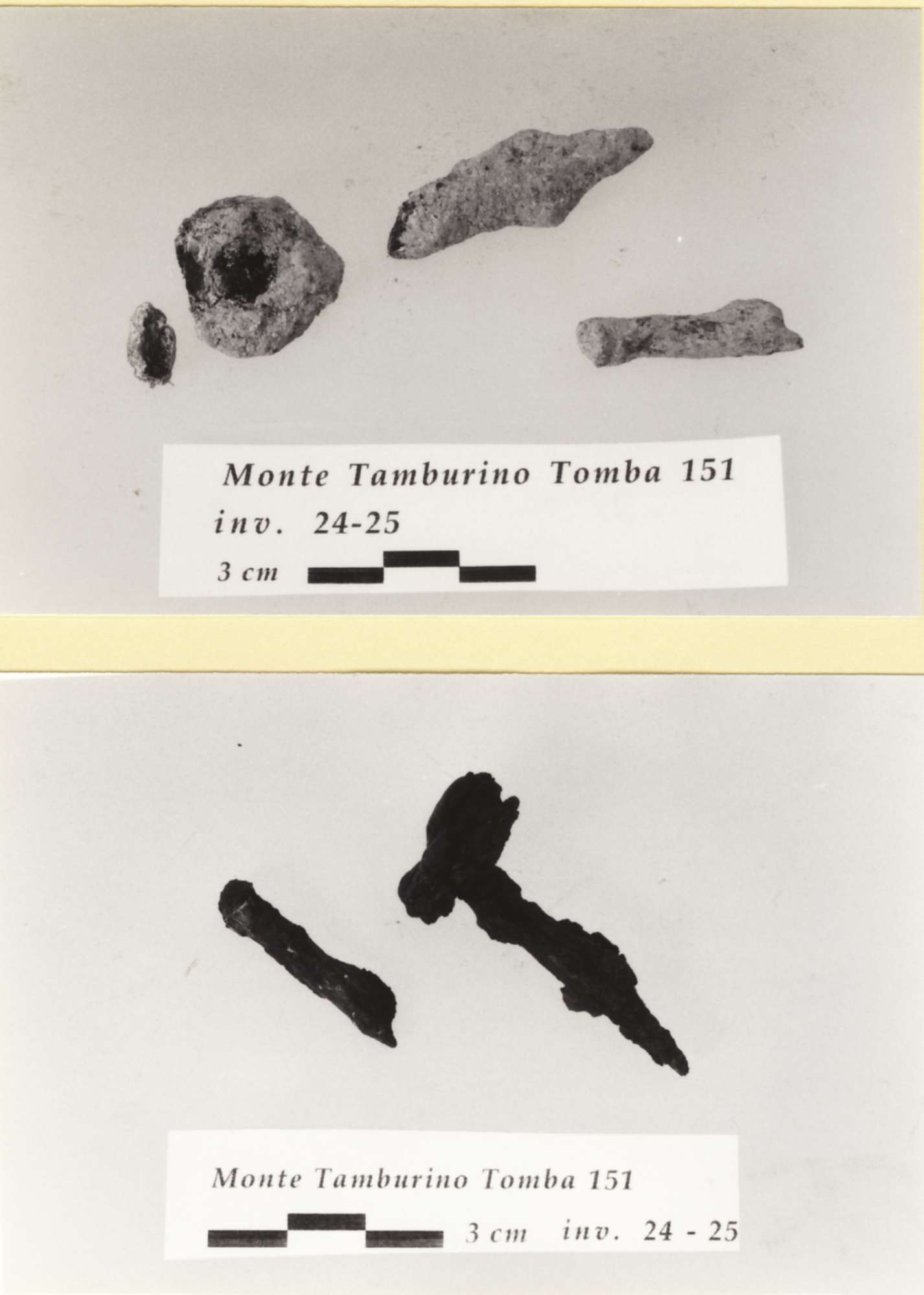
chiodi in ferro prima e dopo il restauro


-med.jpg)
-med.jpg)