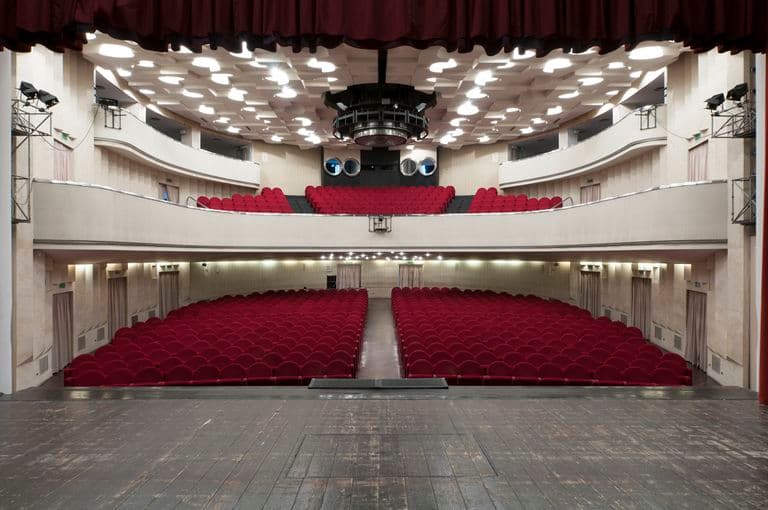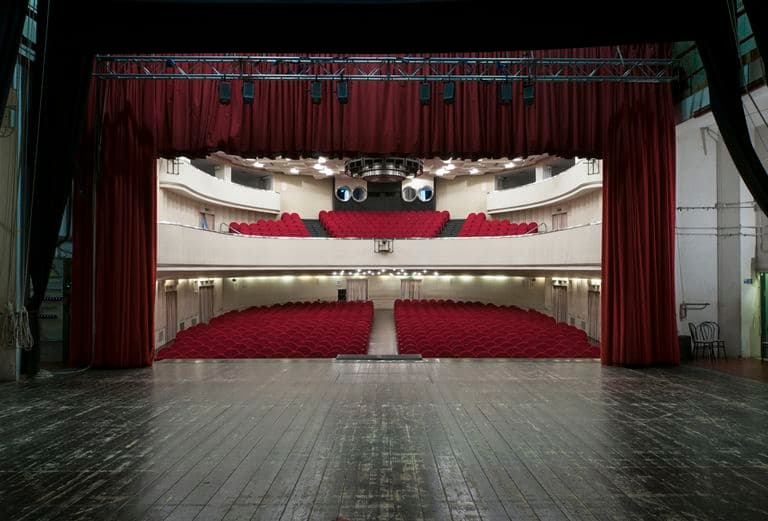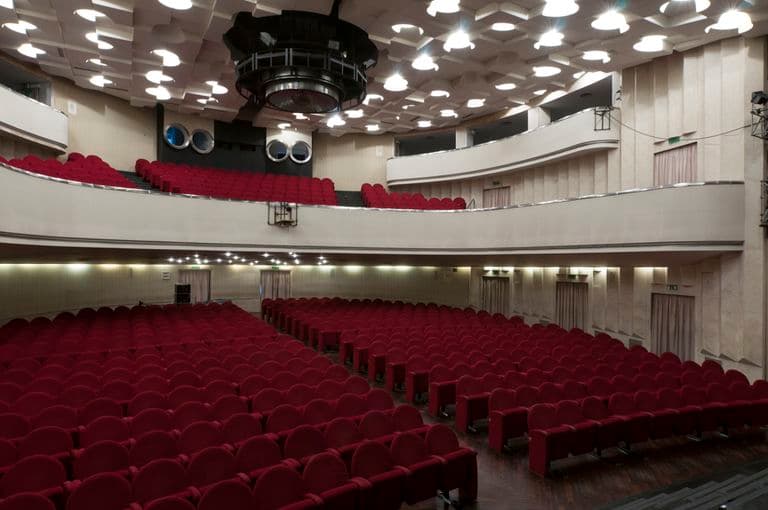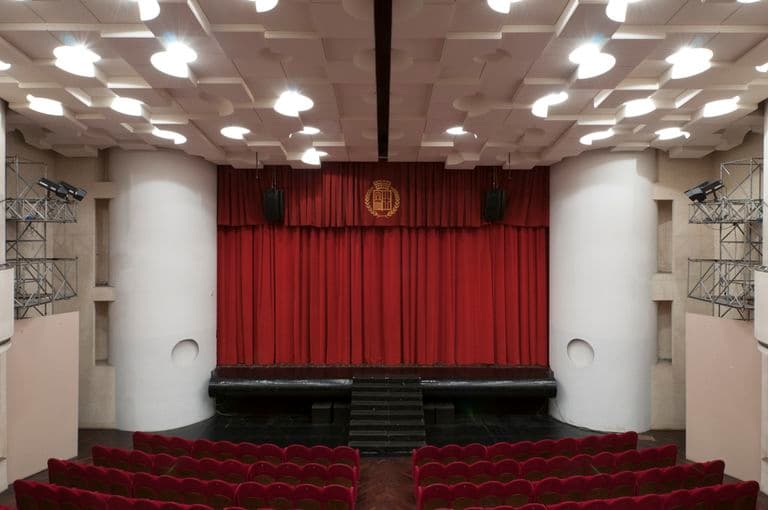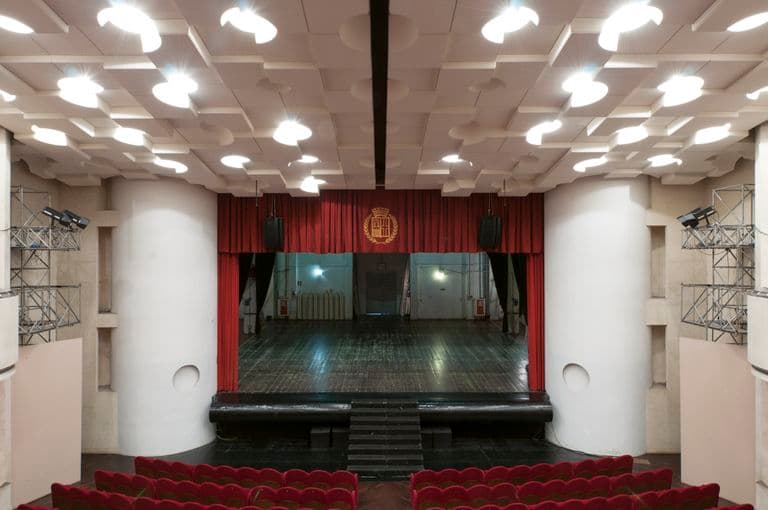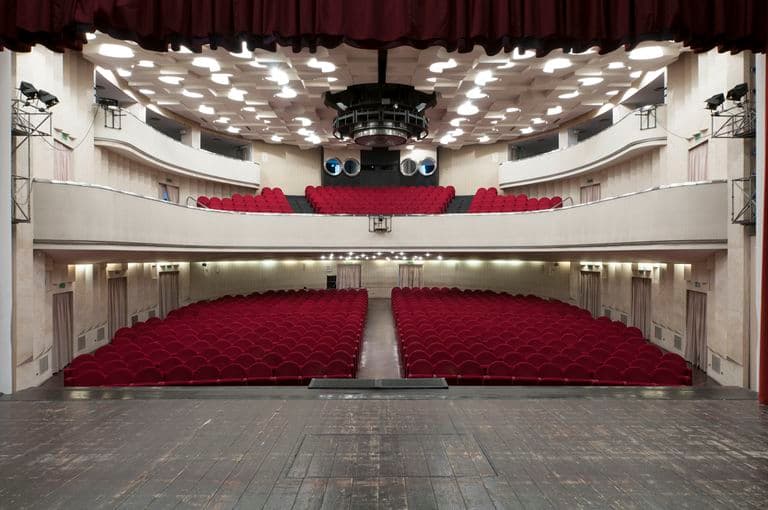
Rimini, Teatro Ermete Novelli, la sala teatrale vista dal palcoscenico (foto Andrea Scardova, IBC) 2017
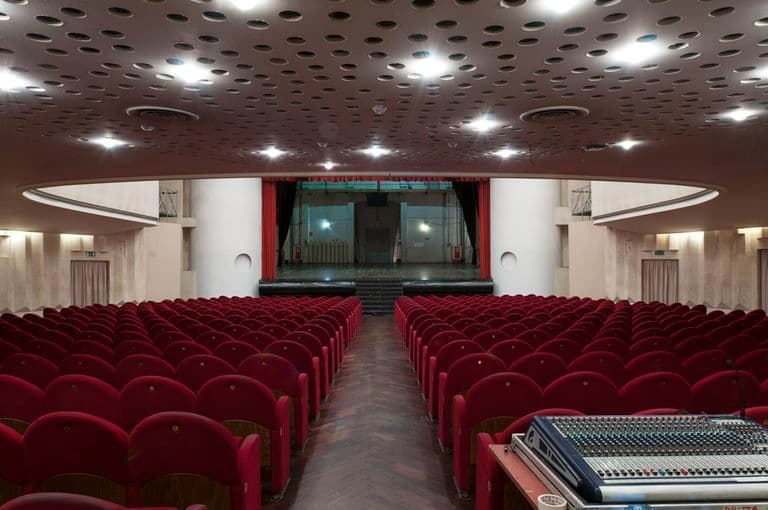
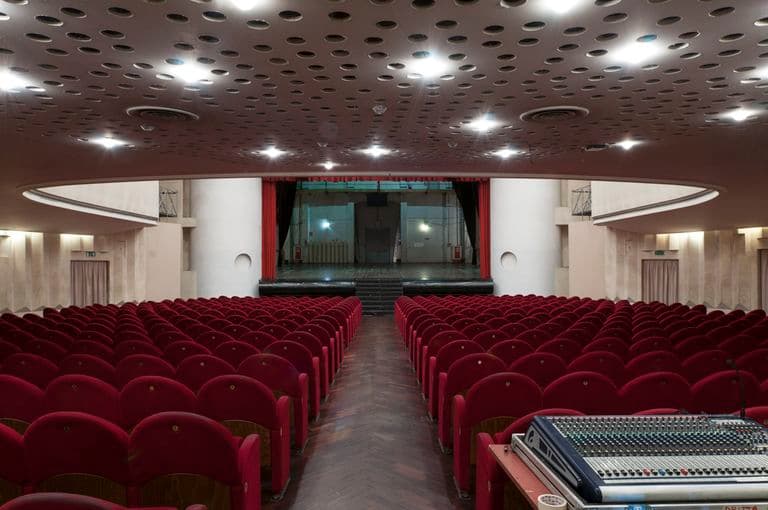
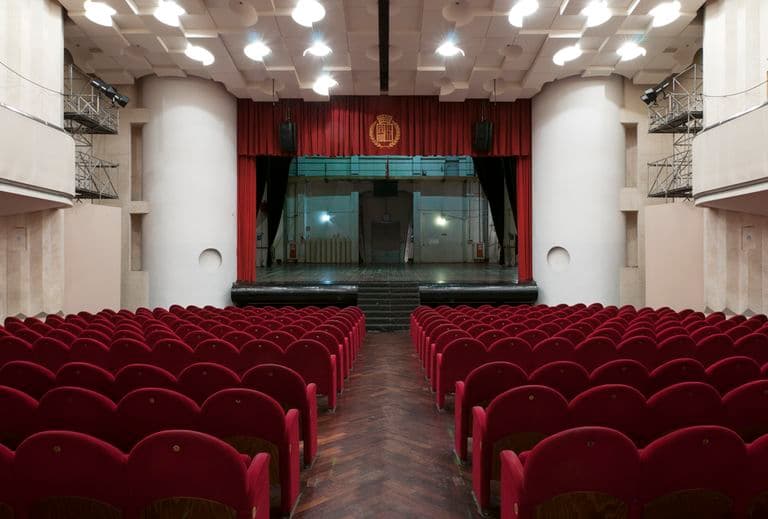
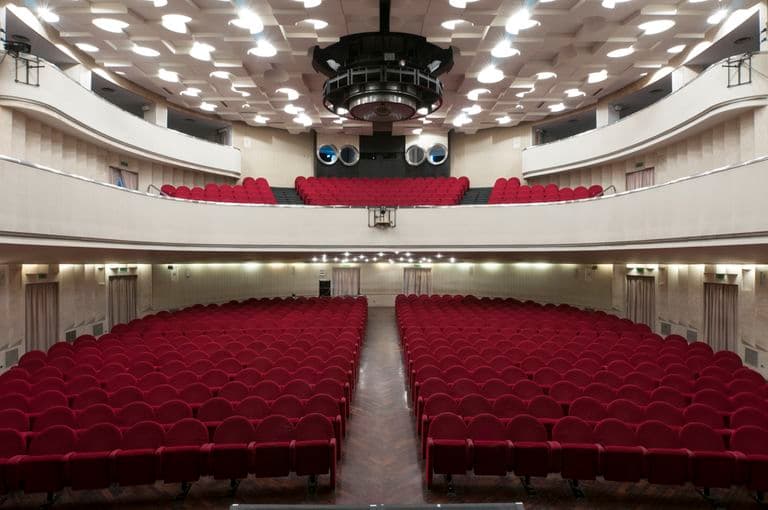
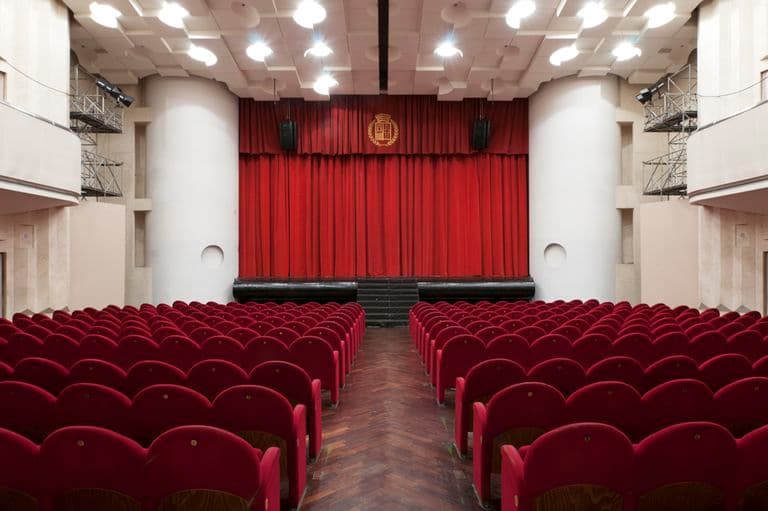
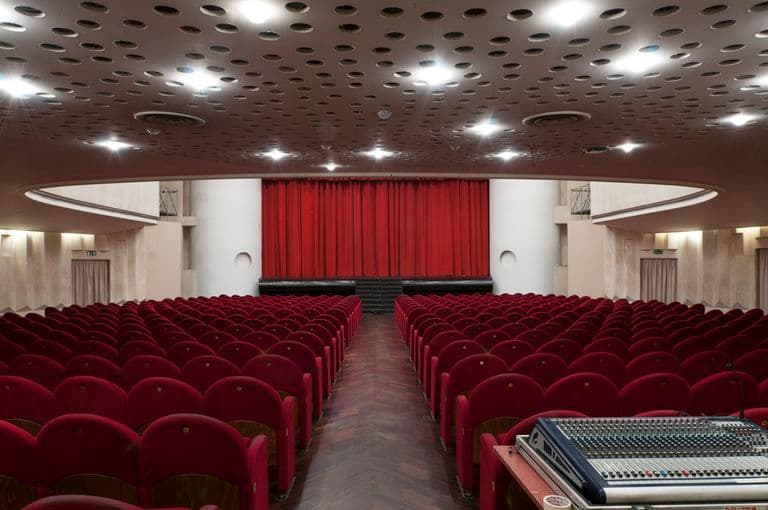
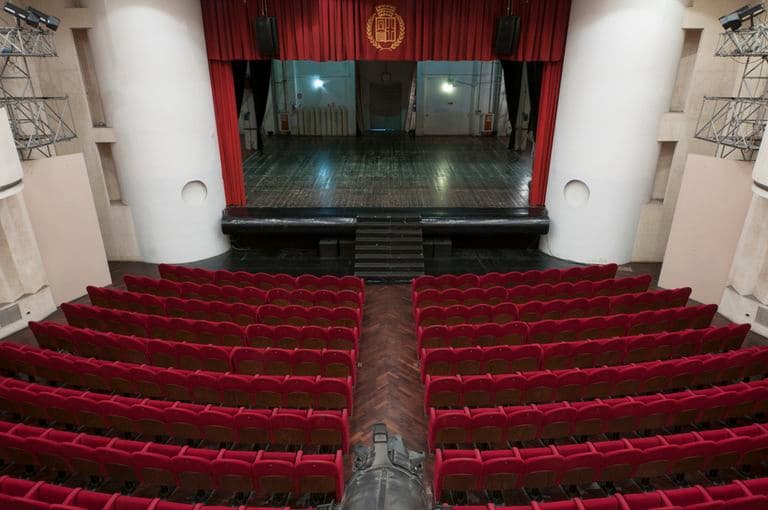
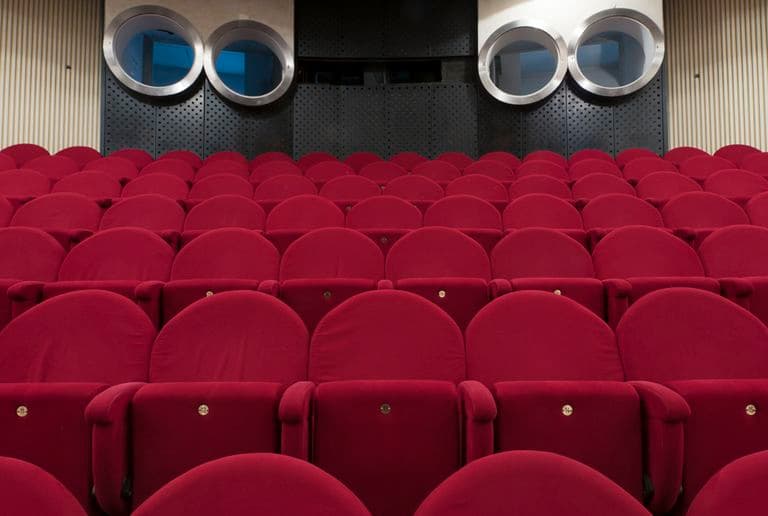
Rimini, Teatro Ermete Novelli, la sala teatrale vista dall'ingresso (foto Andrea Scardova, IBC) 2017
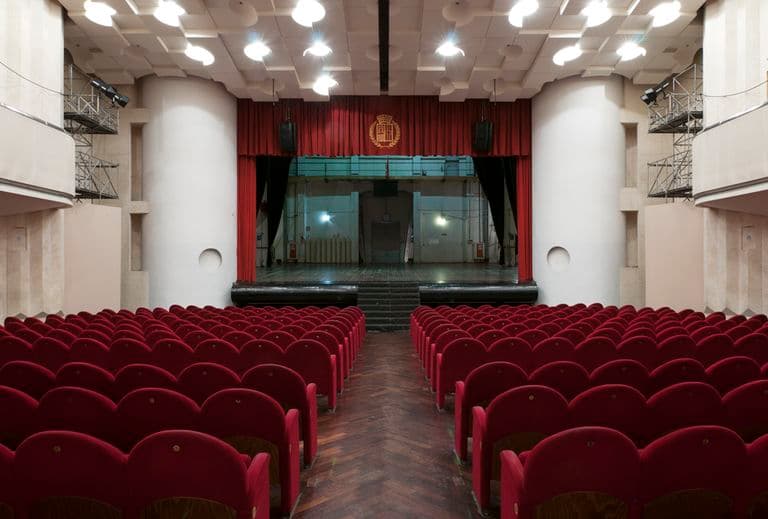
Rimini, Teatro Ermete Novelli, la sala teatrale vista dall'ingresso (foto Andrea Scardova, IBC) 2017
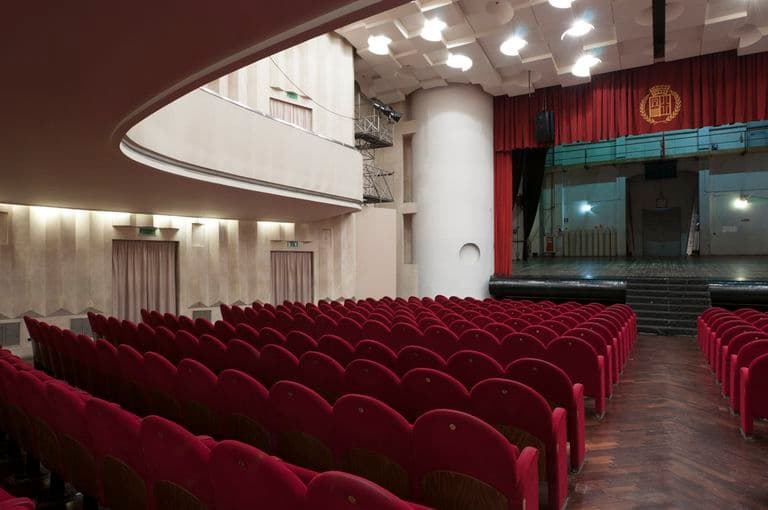
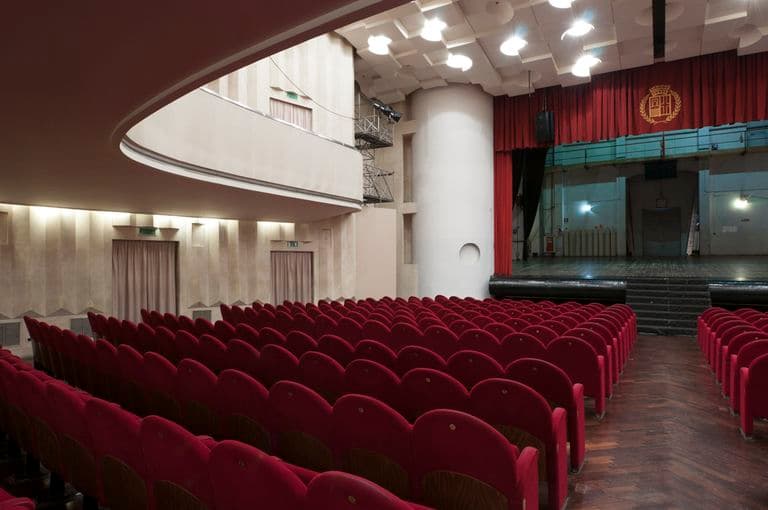
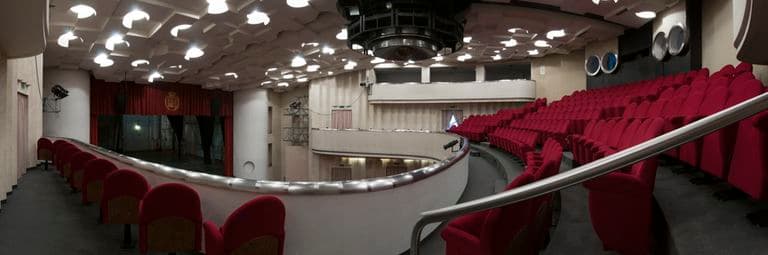
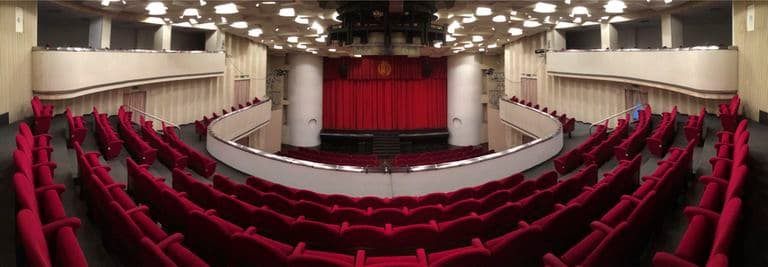
Rimini, Teatro Ermete Novelli, la sala teatrale (foto Andrea Scardova, IBC) 2017
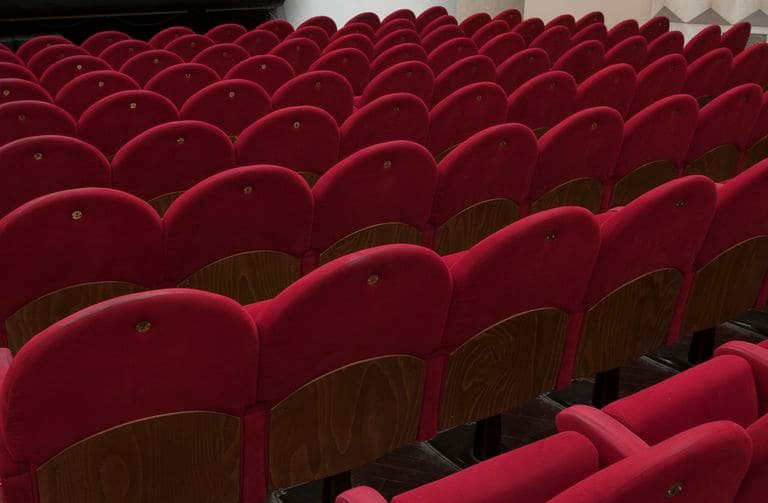
Rimini, Teatro Ermete Novelli, platea della sala teatrale (foto Andrea Scardova, IBC) 2017
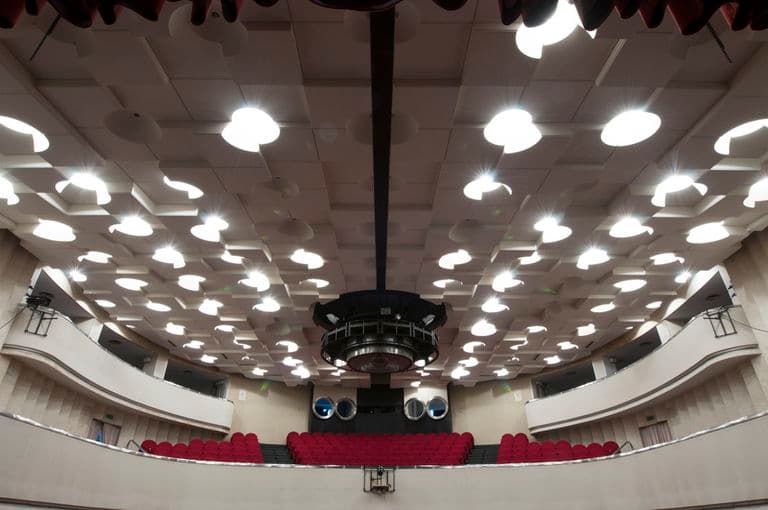
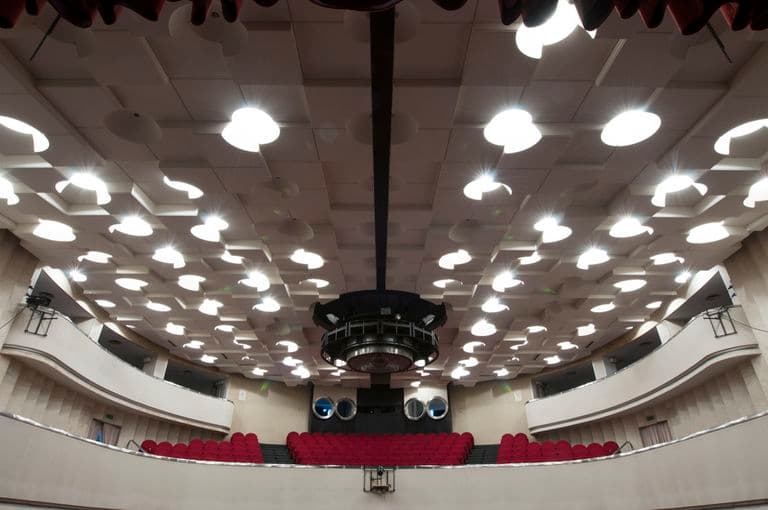
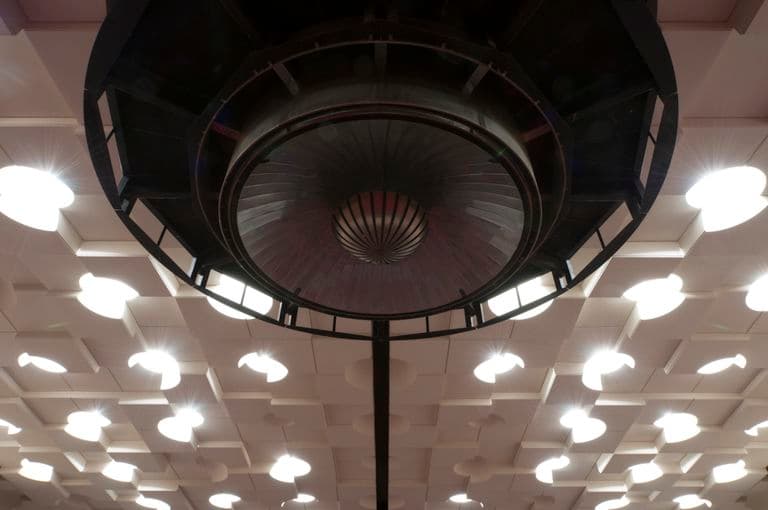
Rimini, Teatro Ermete Novelli, il soffitto della sala teatrale (foto Andrea Scardova, IBC) 2017
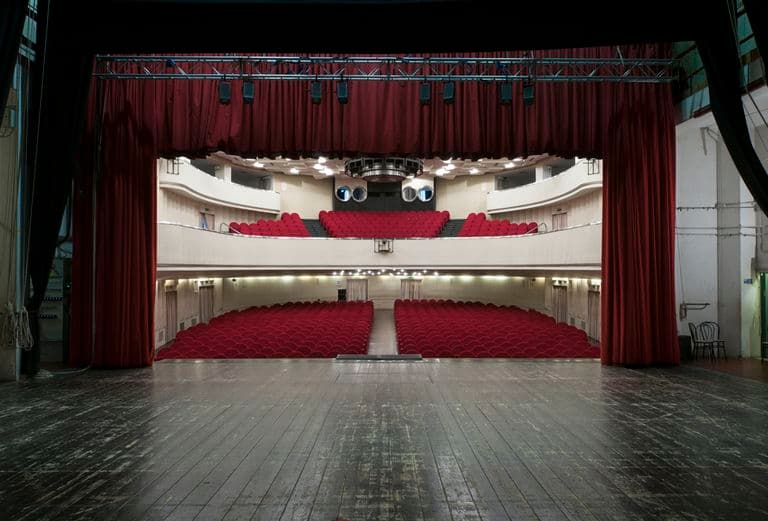
Rimini, Teatro Ermete Novelli, la sala teatrale vista dal palcoscenico (foto Andrea Scardova, IBC) 2017
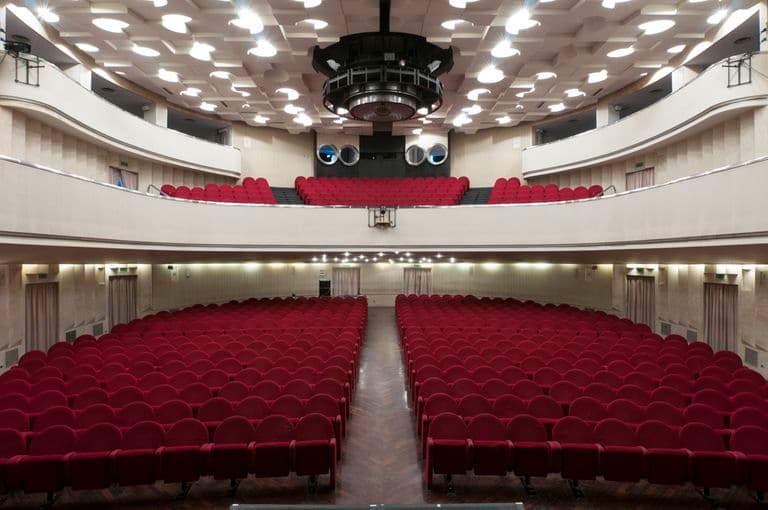
Rimini, Teatro Ermete Novelli, la sala teatrale vista dalla ribalta (foto Andrea Scardova, IBC) 2017
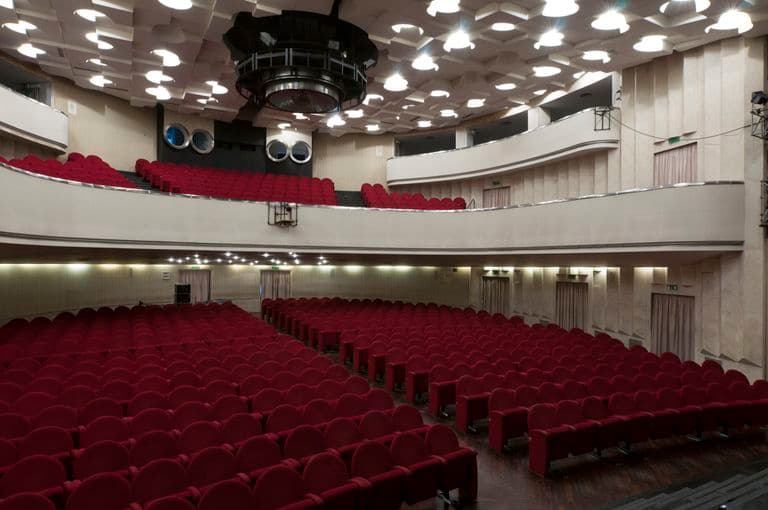
Rimini, Teatro Ermete Novelli, la sala teatrale (foto Andrea Scardova, IBC) 2017
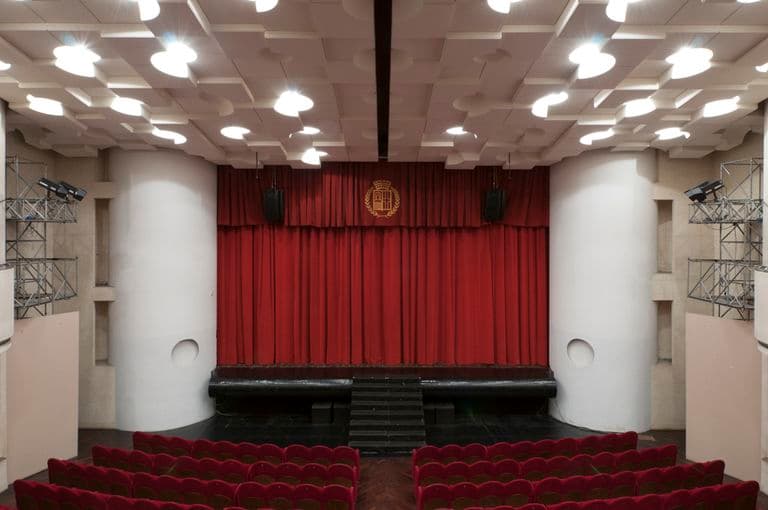
Rimini, Teatro Ermete Novelli, la sala teatrale (foto Andrea Scardova, IBC) 2017
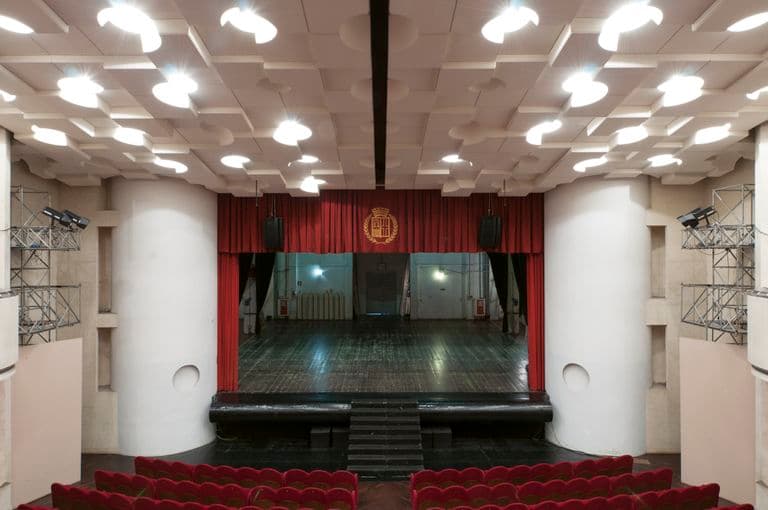
Rimini, Teatro Ermete Novelli, la sala teatrale (foto Andrea Scardova, IBC) 2017
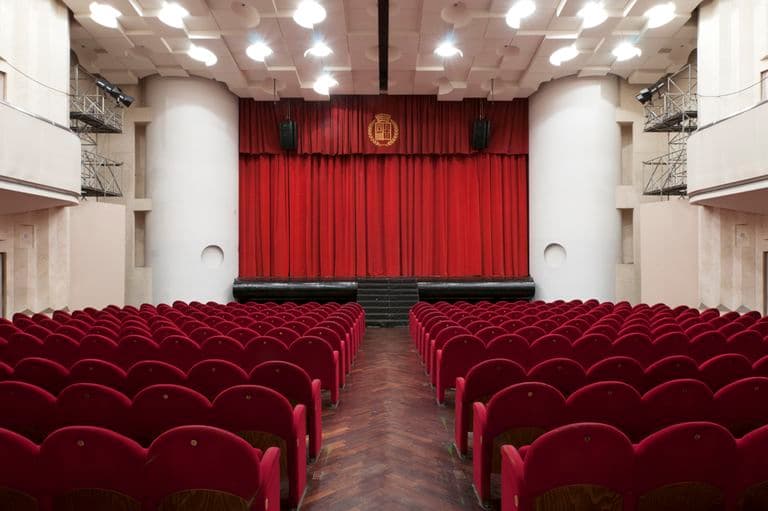
Rimini, Teatro Ermete Novelli, la sala teatrale vista dall'ingresso (foto Andrea Scardova, IBC) 2017
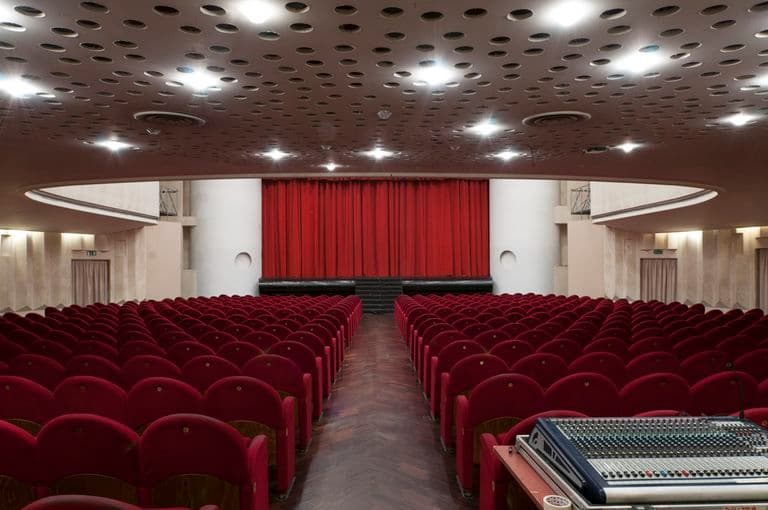
Rimini, Teatro Ermete Novelli, la sala teatrale vista dall'ingresso (foto Andrea Scardova, IBC) 2017
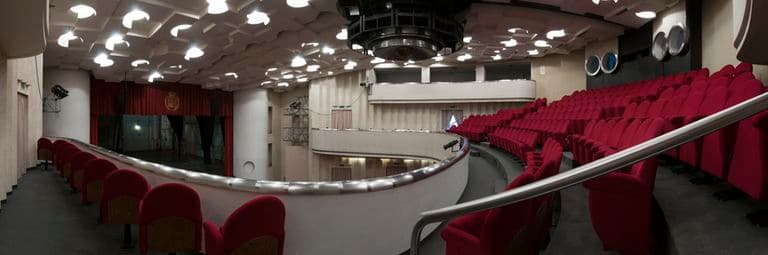
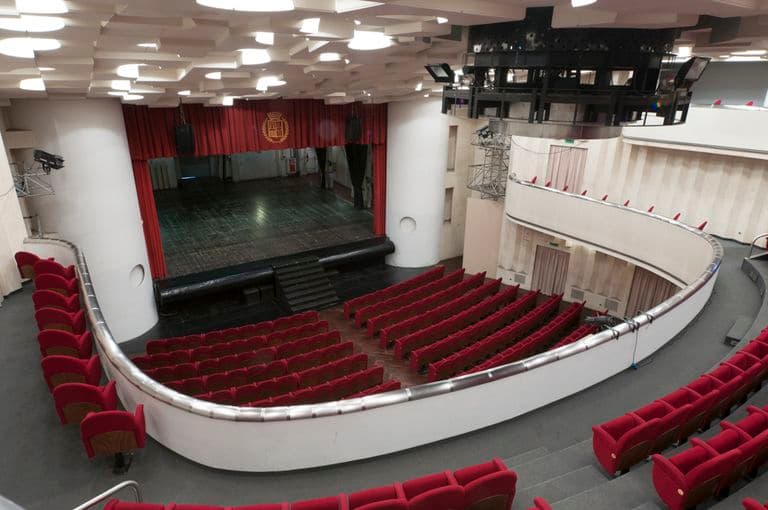
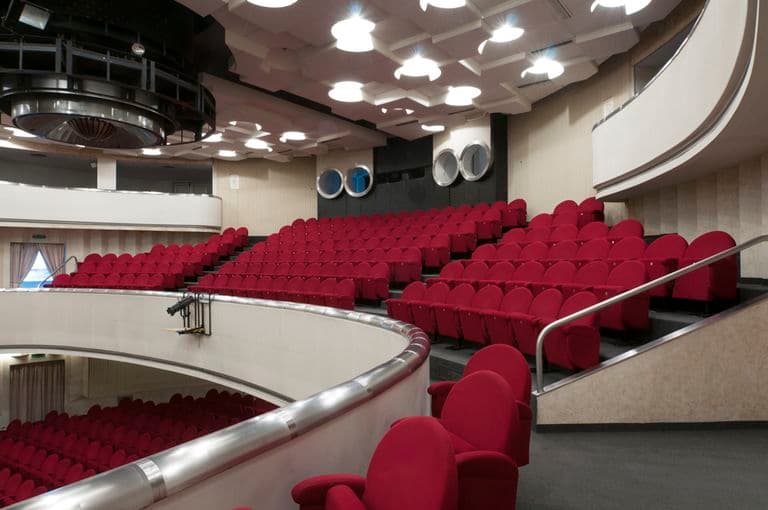
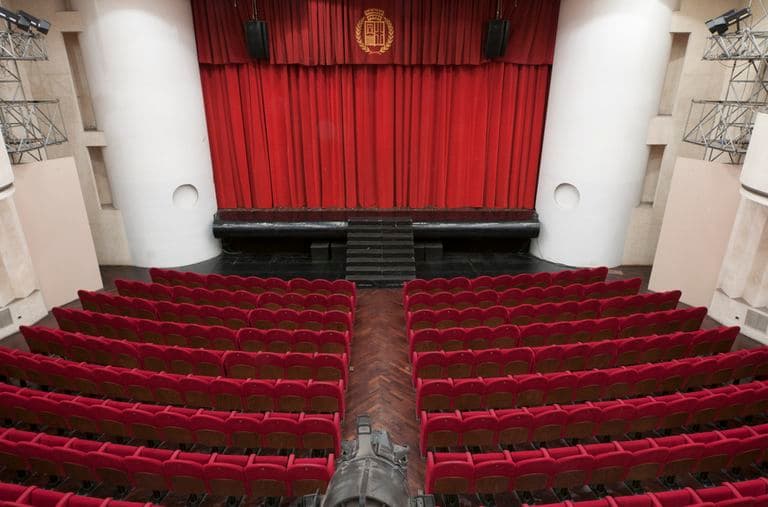
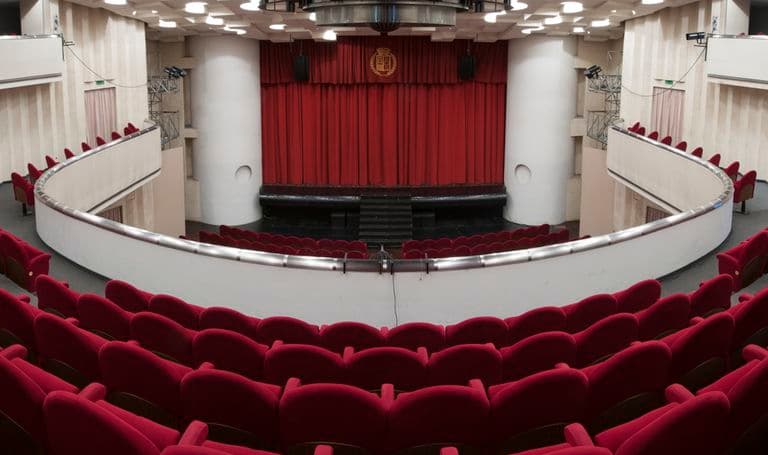
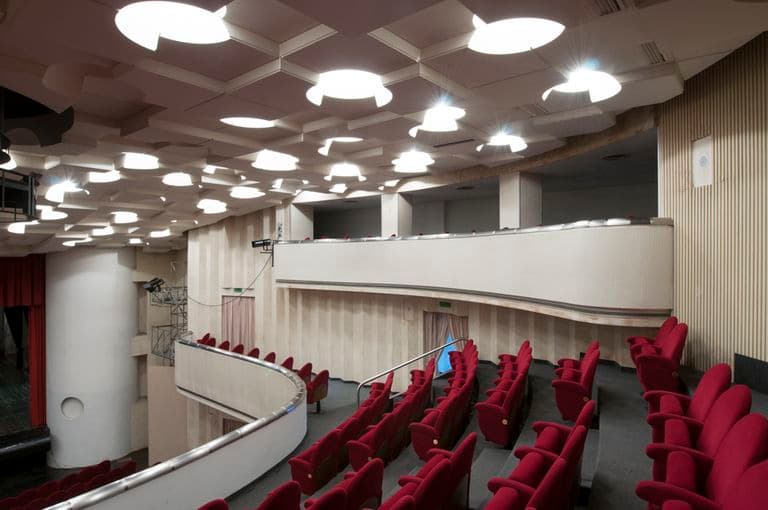
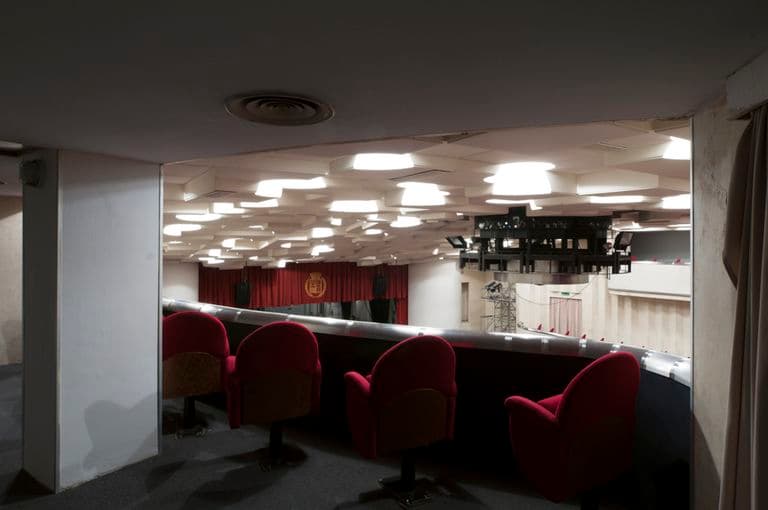
Rimini, Teatro Ermete Novelli, la sala teatrale vista dalla galleria (foto Andrea Scardova, IBC) 2017
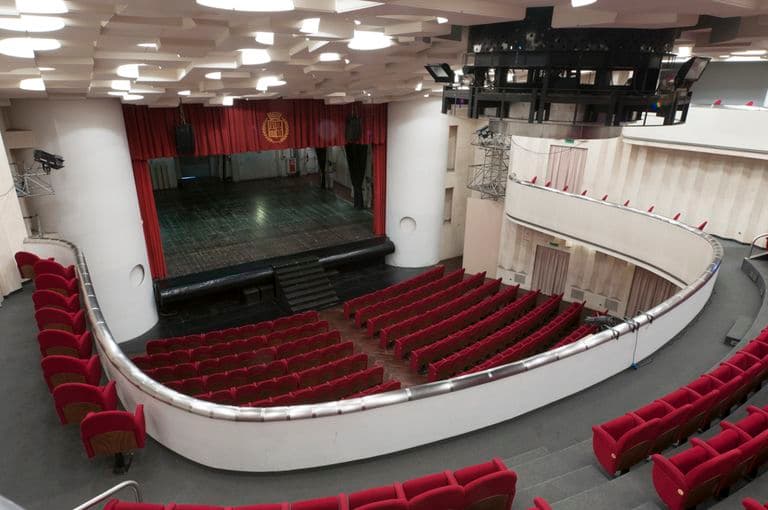
Rimini, Teatro Ermete Novelli, la sala teatrale vista dalla galleria (foto Andrea Scardova, IBC) 2017
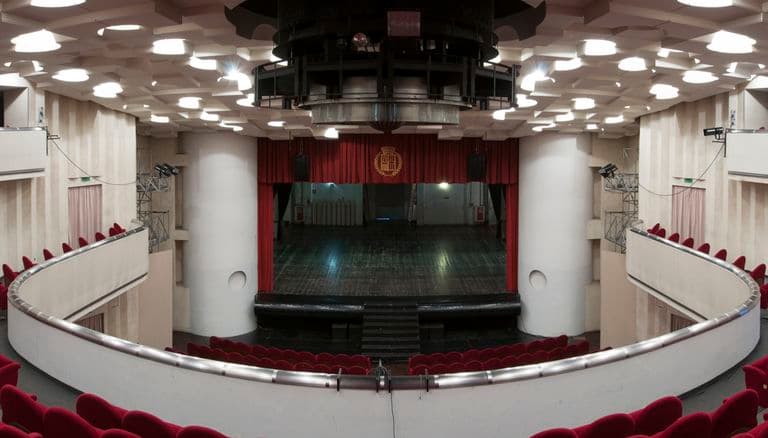
Rimini, Teatro Ermete Novelli, la sala teatrale vista dalla galleria (foto Andrea Scardova, IBC) 2017
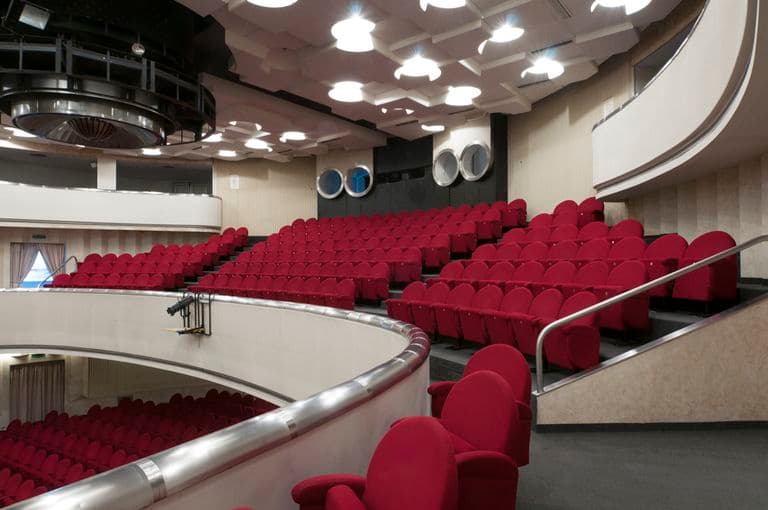
Rimini, Teatro Ermete Novelli, la galleria (foto Andrea Scardova, IBC) 2017
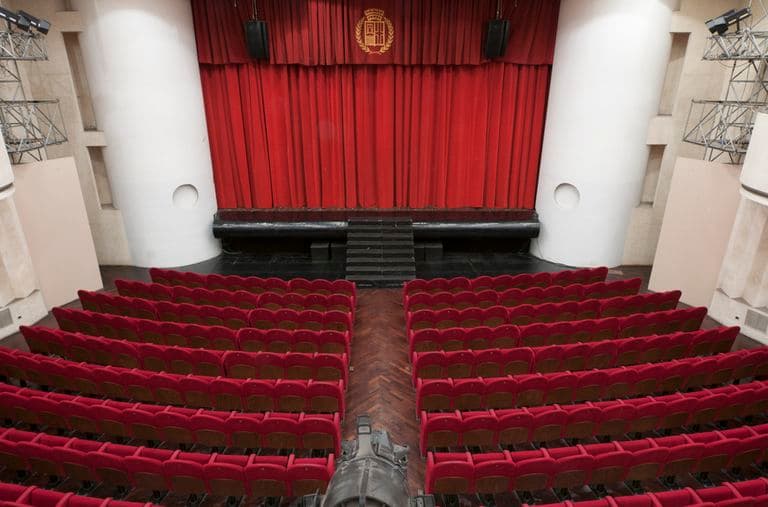
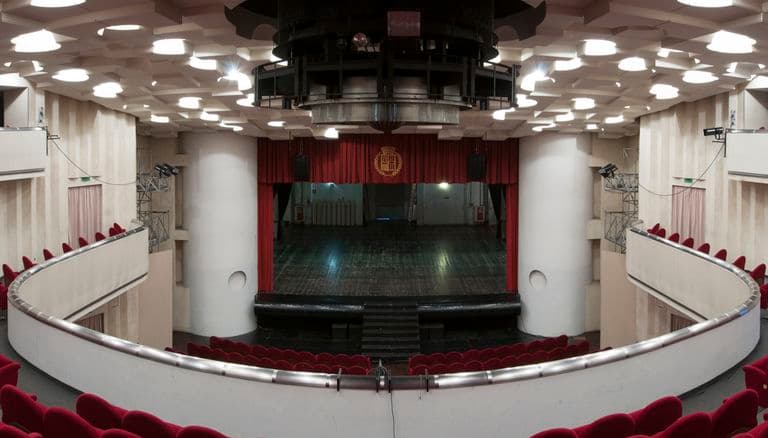
Rimini, Teatro Ermete Novelli, la sala teatrale vista dalla galleria (foto Andrea Scardova, IBC) 2017
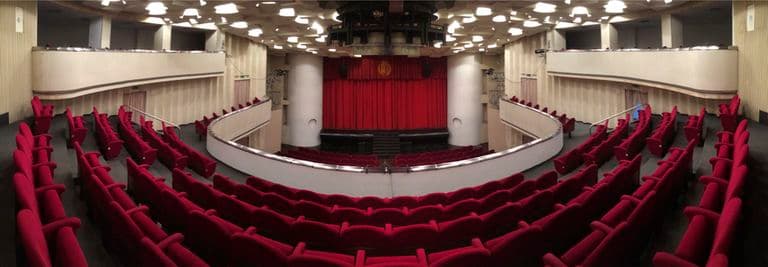
Rimini, Teatro Ermete Novelli, la sala teatrale vista dalla galleria (foto Andrea Scardova, IBC) 2017
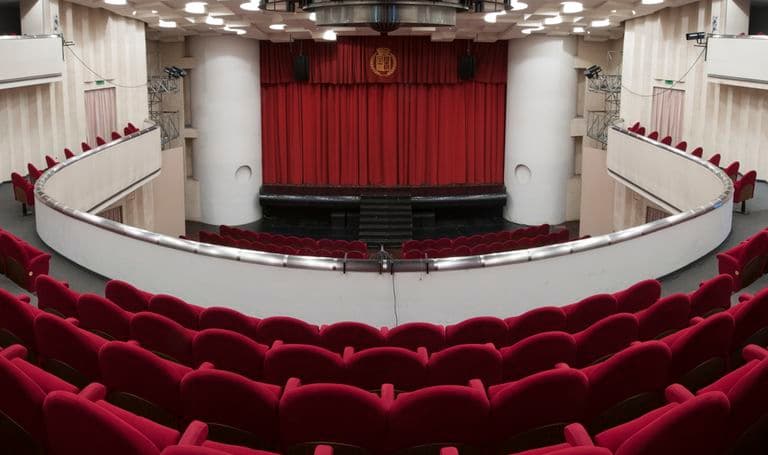
Rimini, Teatro Ermete Novelli, la sala teatrale vista dalla galleria (foto Andrea Scardova, IBC) 2017
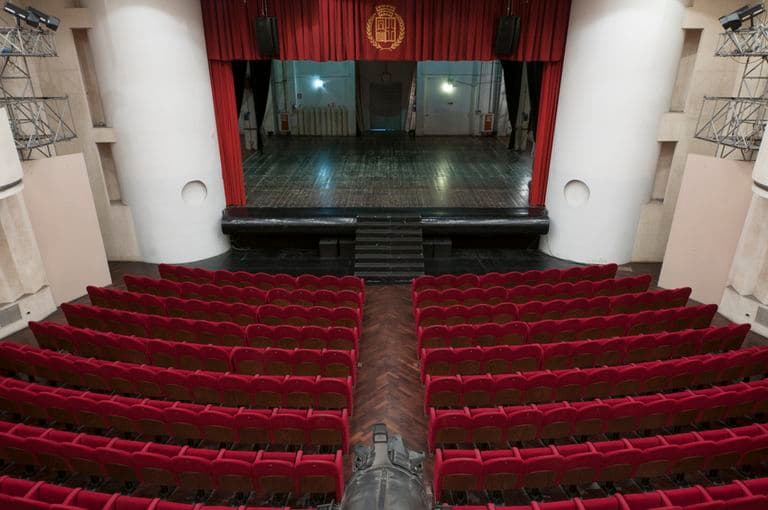
Rimini, Teatro Ermete Novelli, la sala teatrale vista dalla galleria (foto Andrea Scardova, IBC) 2017

Rimini, Teatro Ermete Novelli, particolare del sipario (foto Andrea Scardova, IBC) 2017
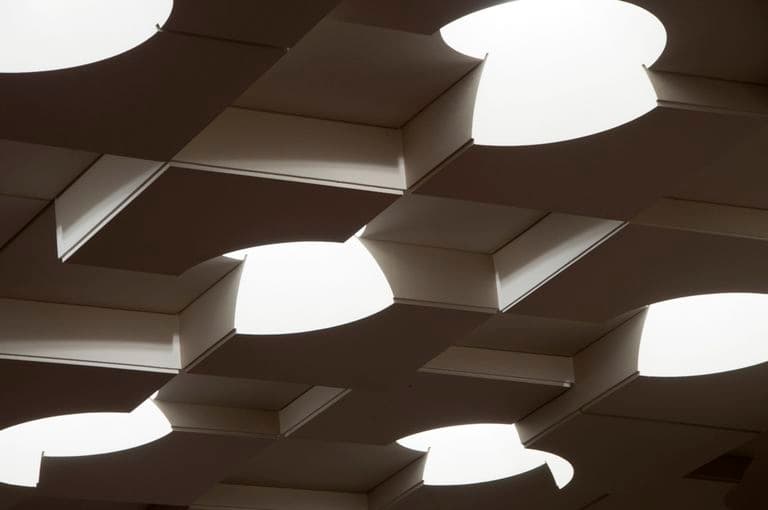
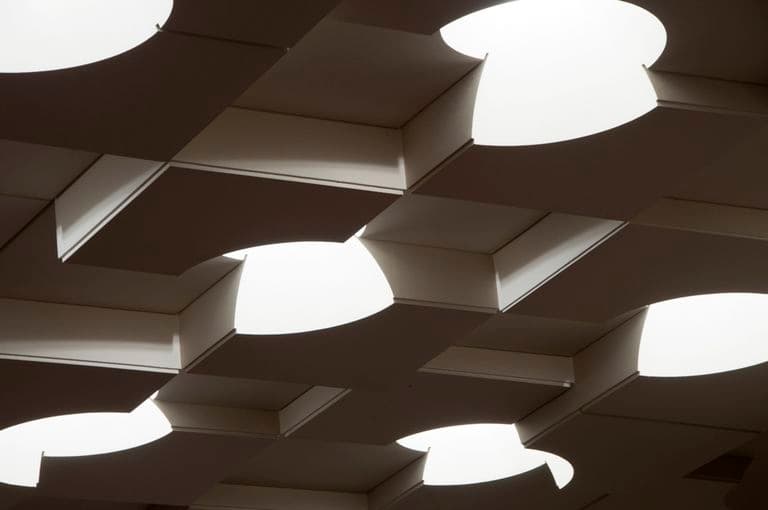
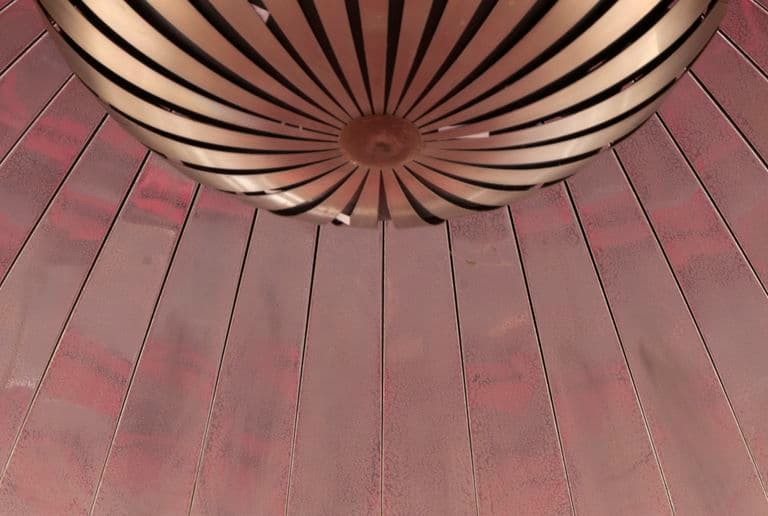
Rimini, Teatro Ermete Novelli, particolare del soffitto (foto Andrea Scardova, IBC) 2017
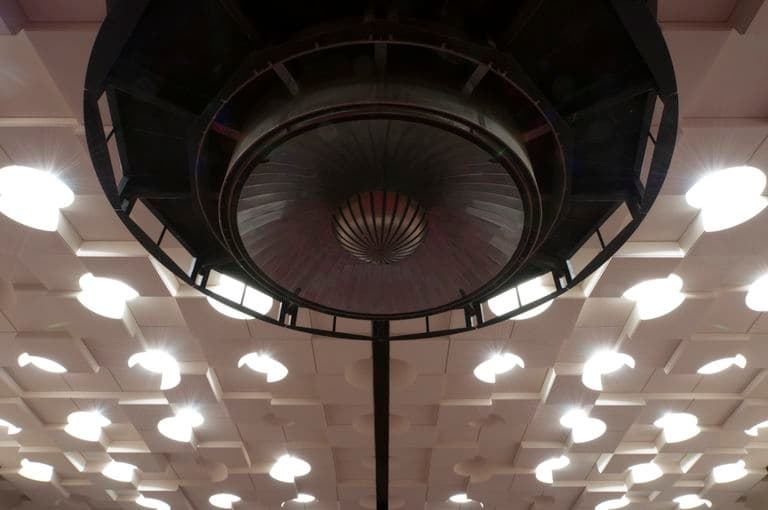
Rimini, Teatro Ermete Novelli, particolare del soffitto (foto Andrea Scardova, IBC) 2017
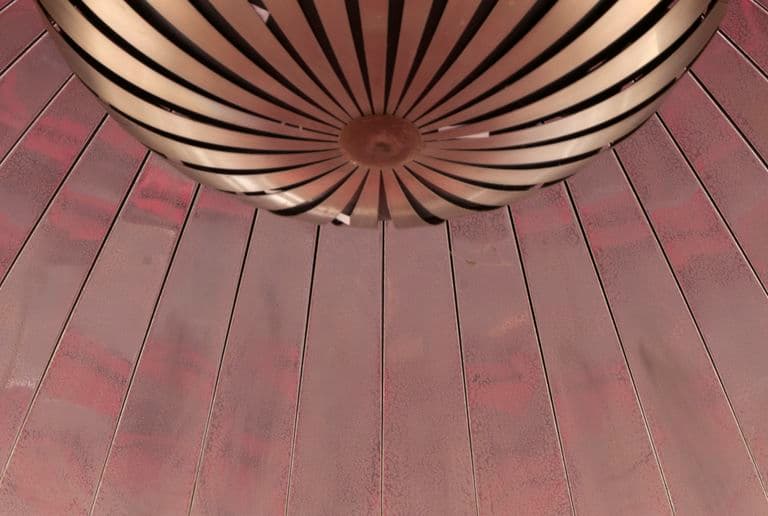
Rimini, Teatro Ermete Novelli, particolare del soffitto (foto Andrea Scardova, IBC) 2017
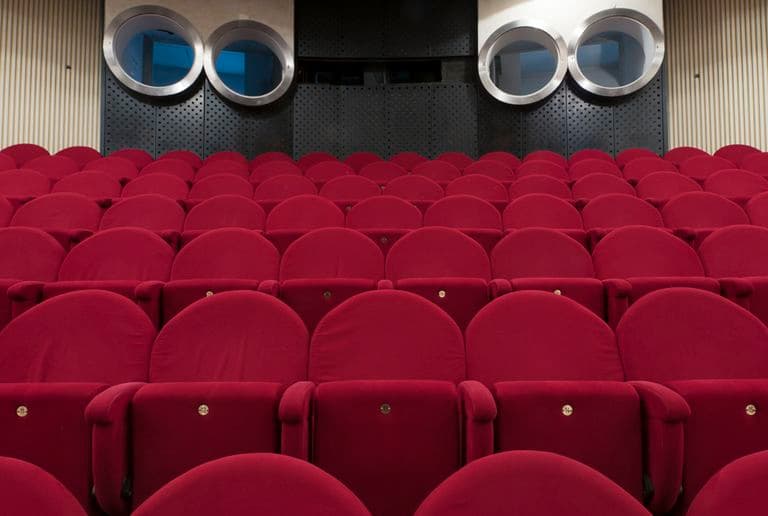
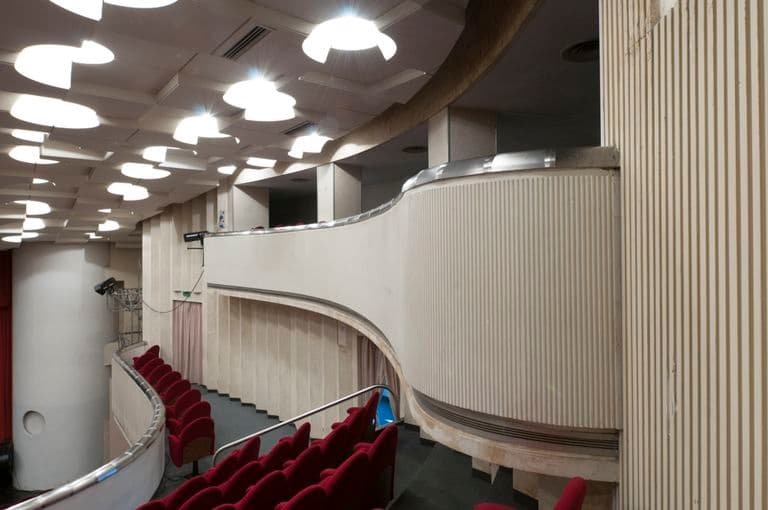
Rimini, Teatro Ermete Novelli, particolare della galleria (foto Andrea Scardova, IBC) 2017
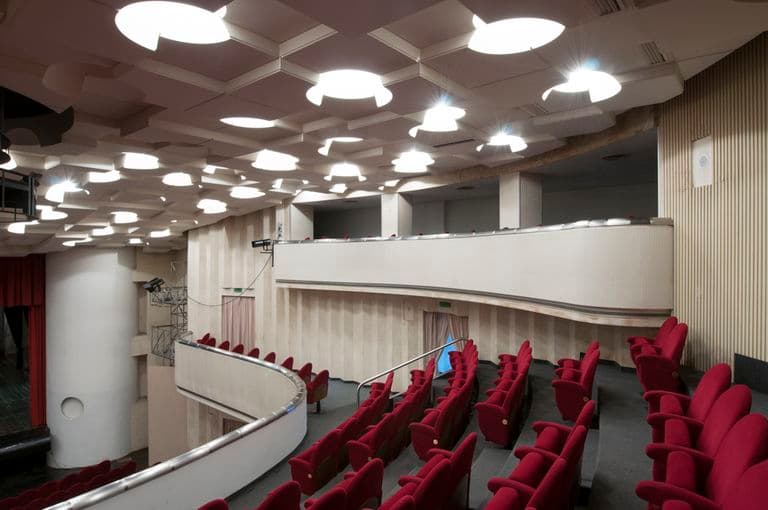
Rimini, Teatro Ermete Novelli, galleria e barcaccia (foto Andrea Scardova, IBC) 2017
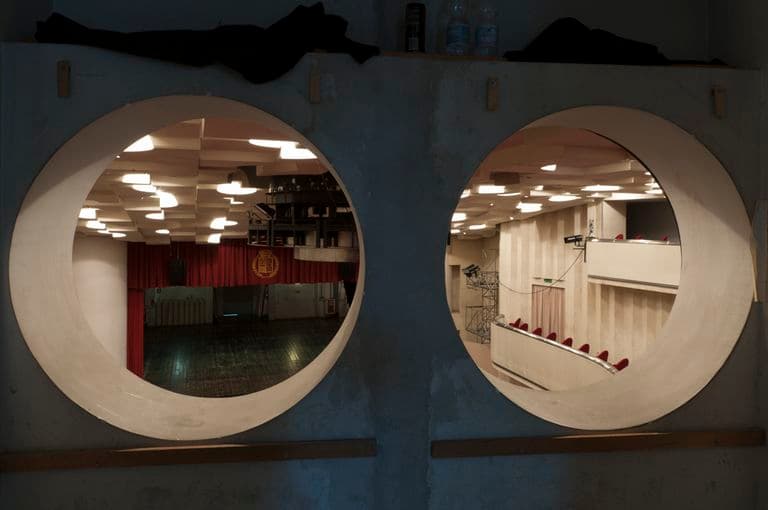
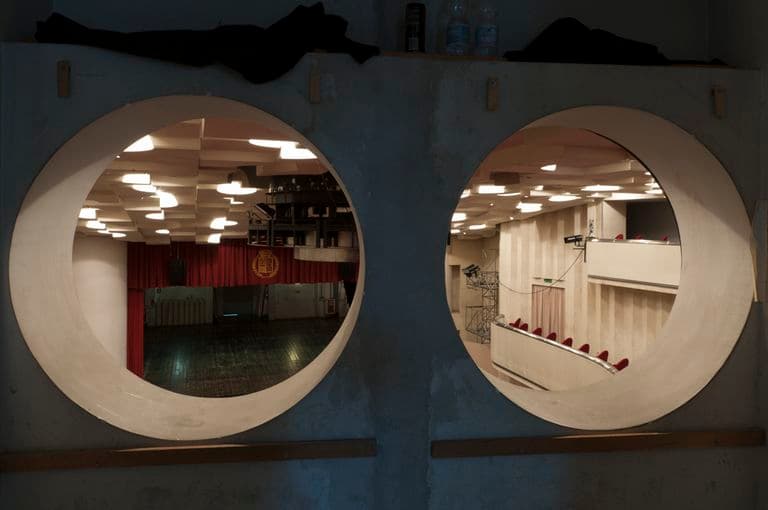
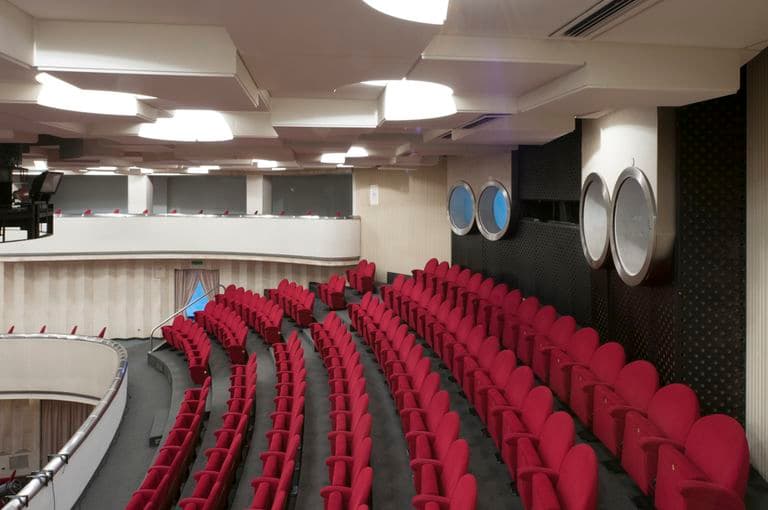
Rimini, Teatro Ermete Novelli, la sala teatrale vista dagli oblò della galleria (foto Andrea Scardova, IBC) 2017
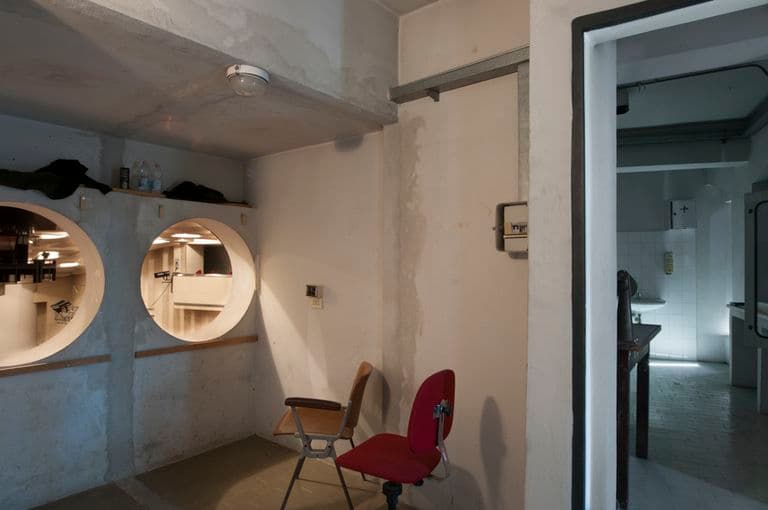
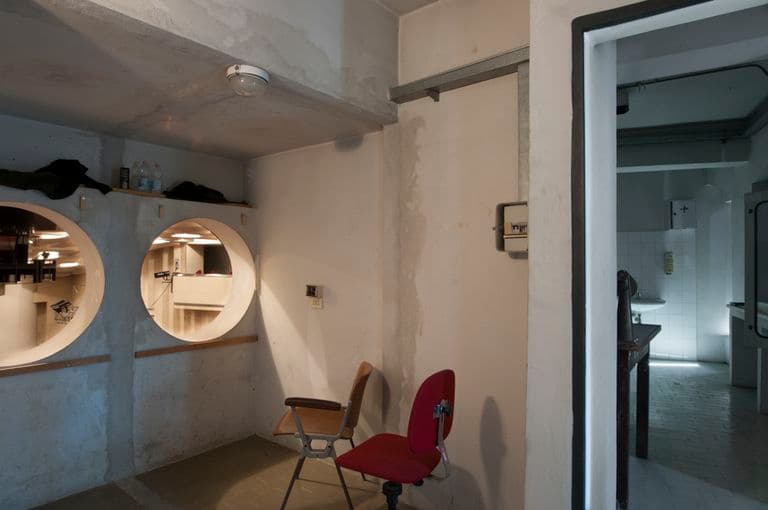
Rimini, Teatro Ermete Novelli, spazio di servizio (foto Andrea Scardova, IBC) 2017
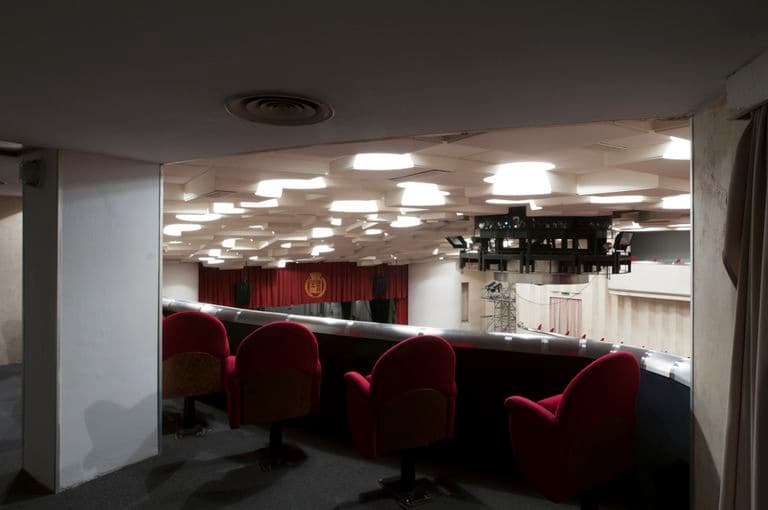
Rimini, Teatro Ermete Novelli, la sala teatrale vista da una barcaccia (foto Andrea Scardova, IBC) 2017
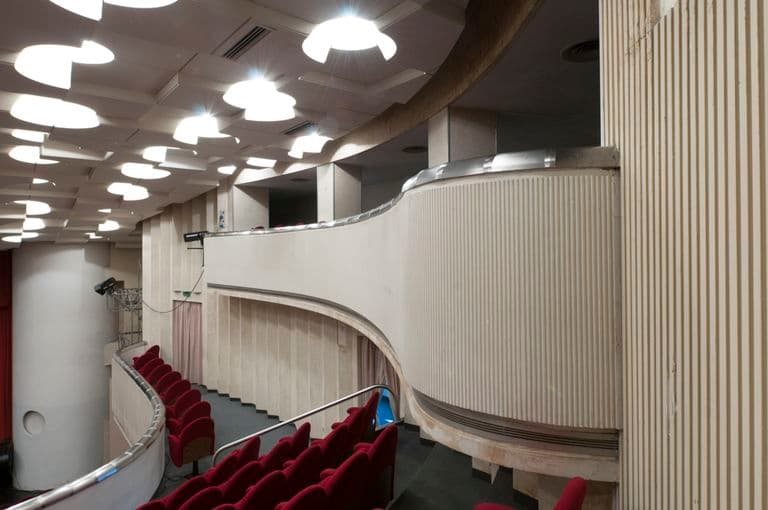
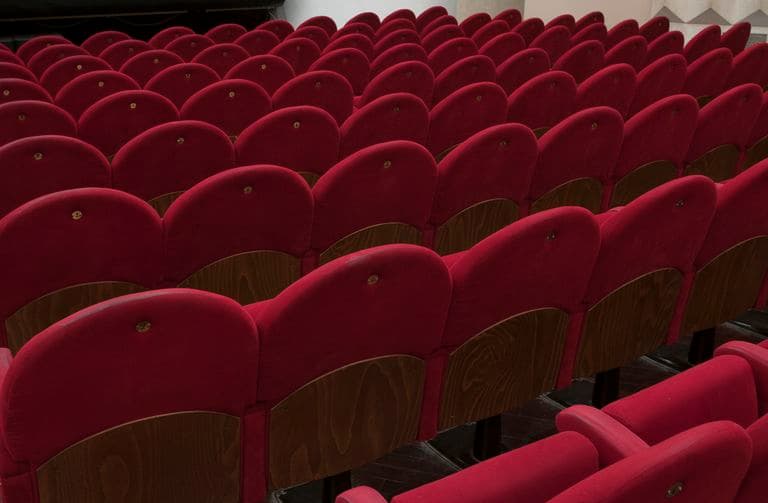
Rimini, Teatro Ermete Novelli, la sala teatrale: particolare (foto Andrea Scardova, IBC) 2017
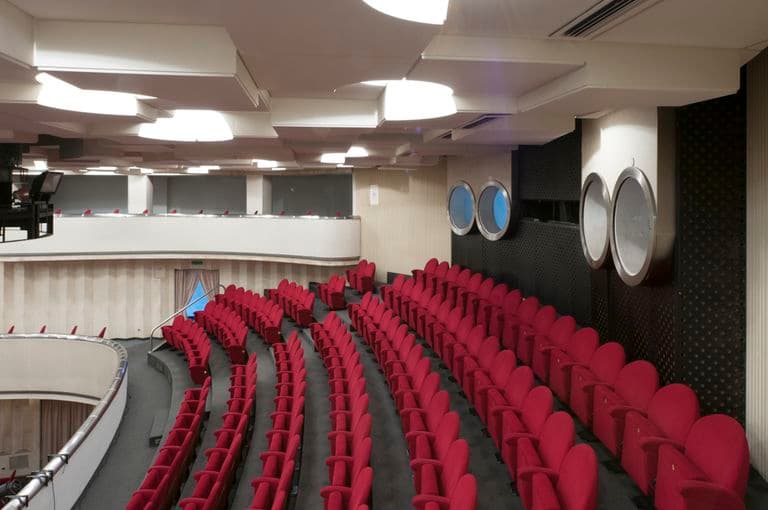
Rimini, Teatro Ermete Novelli, la galleria (foto Andrea Scardova, IBC) 2017
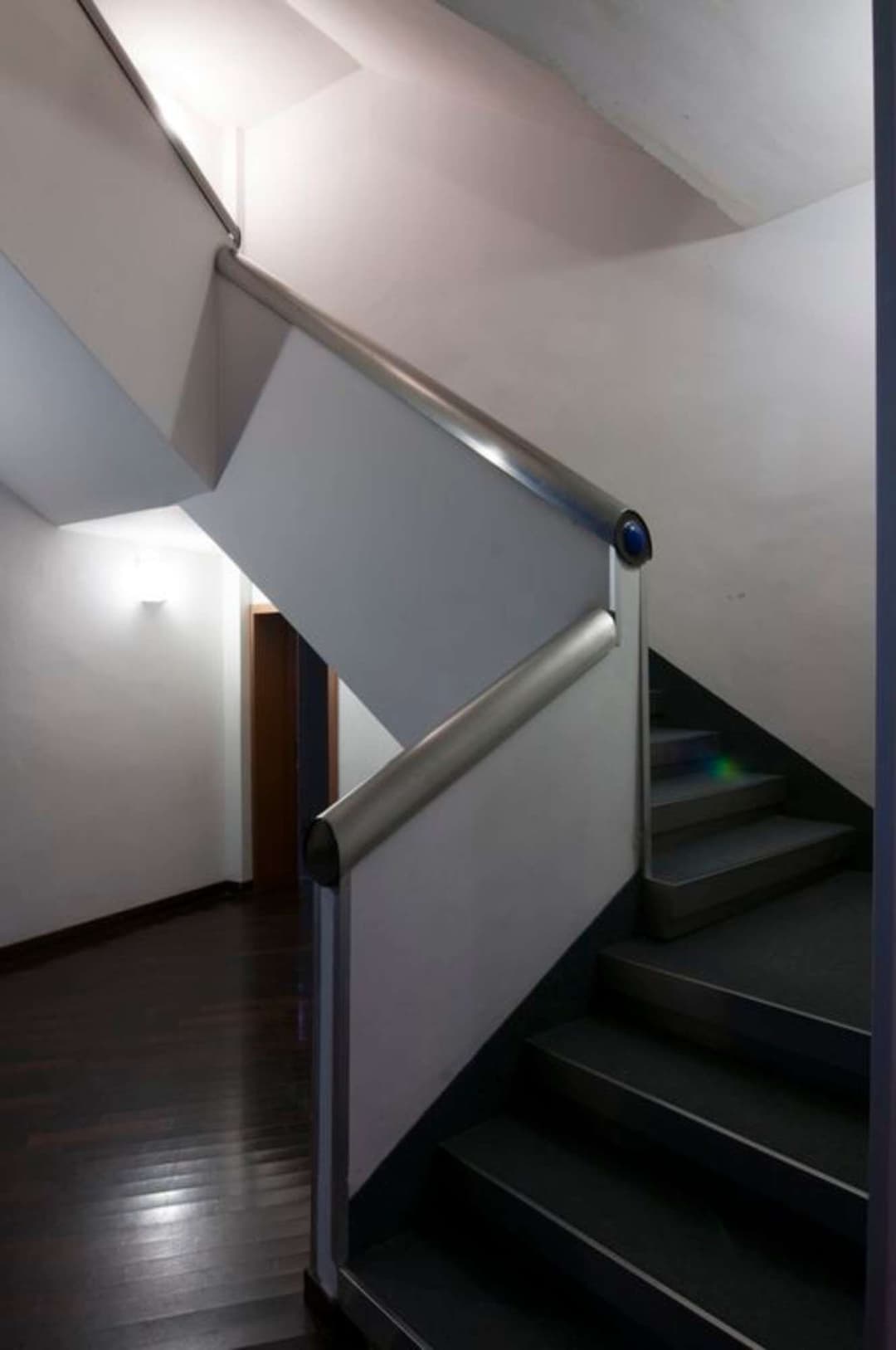
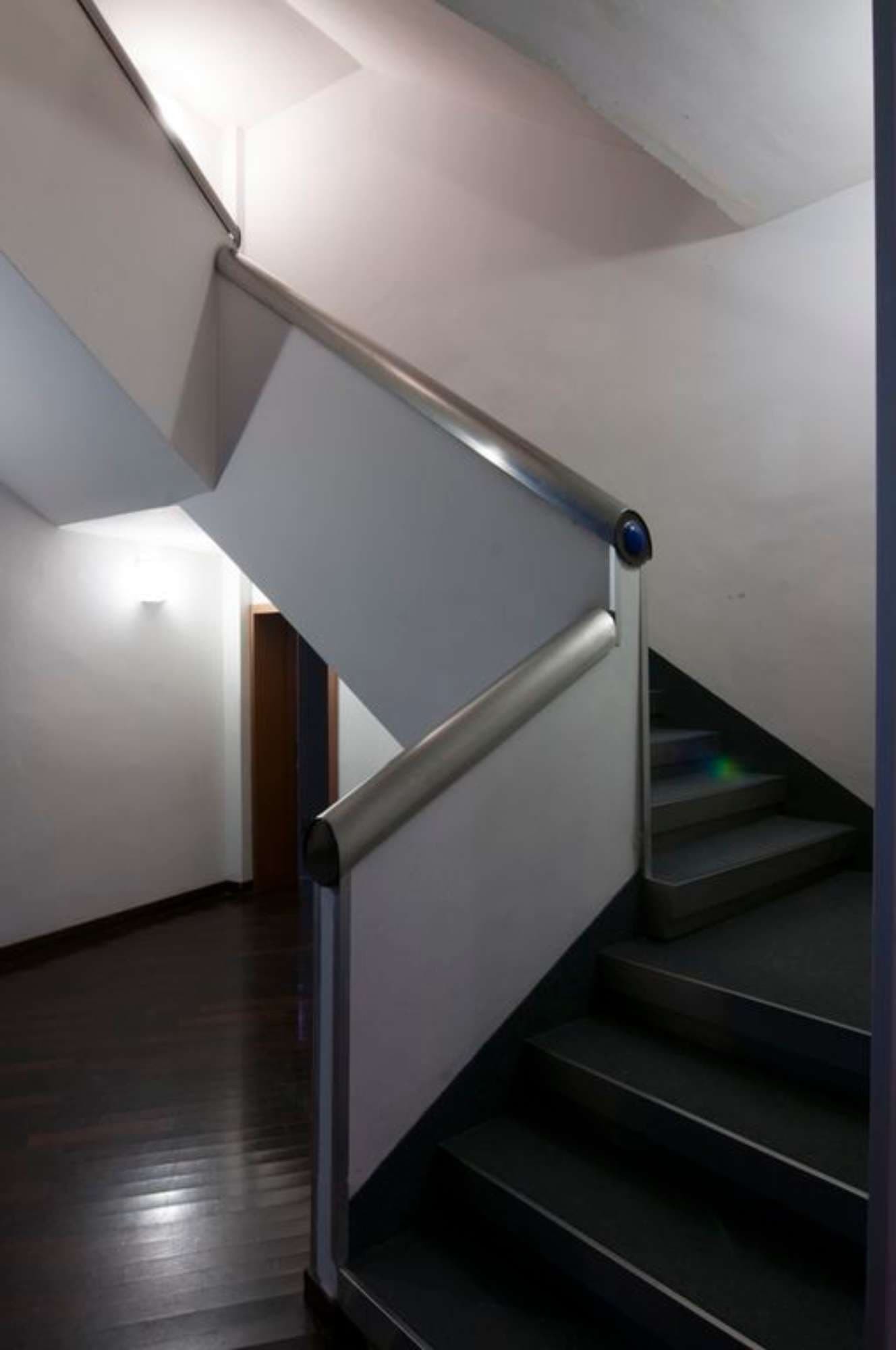
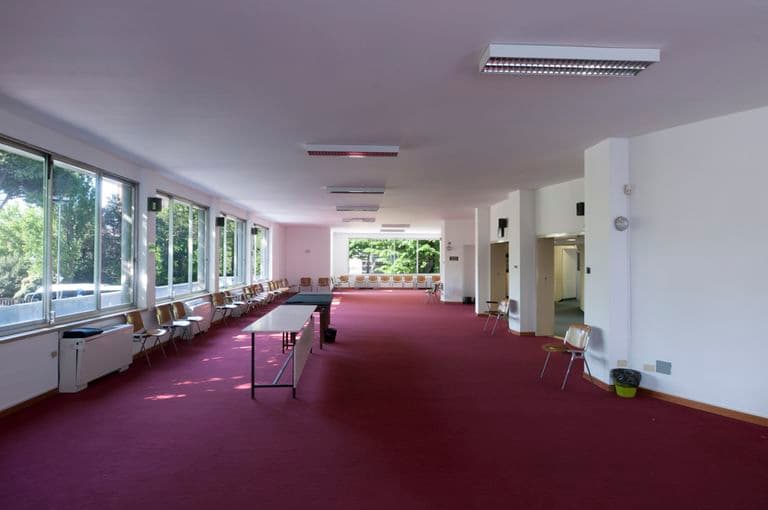
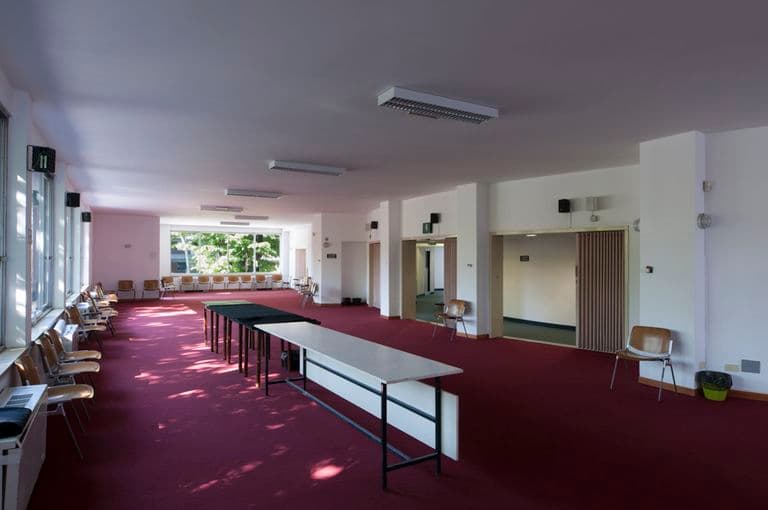
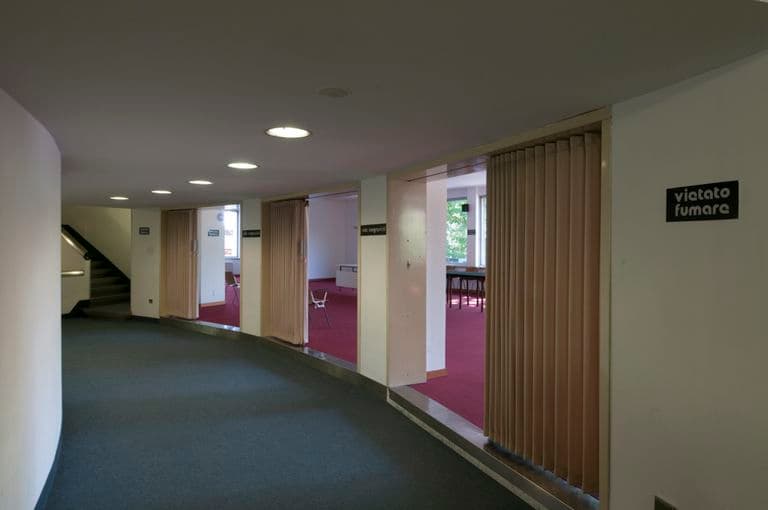
Rimini, Teatro Ermete Novelli, spazio di disimpegno (foto Andrea Scardova, IBC) 2017
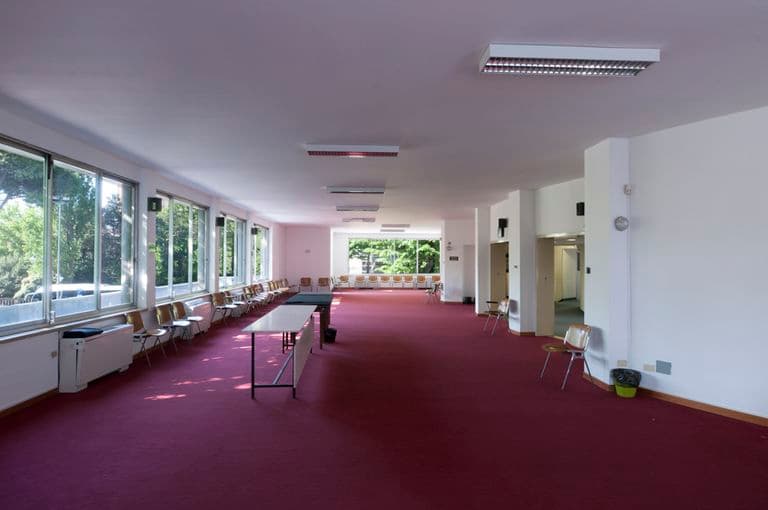
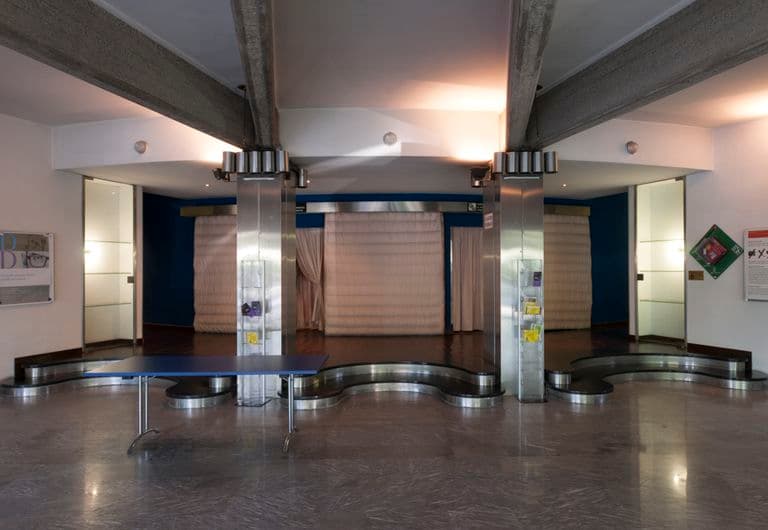
Rimini, Teatro Ermete Novelli, foyer (foto Andrea Scardova, IBC) 2017
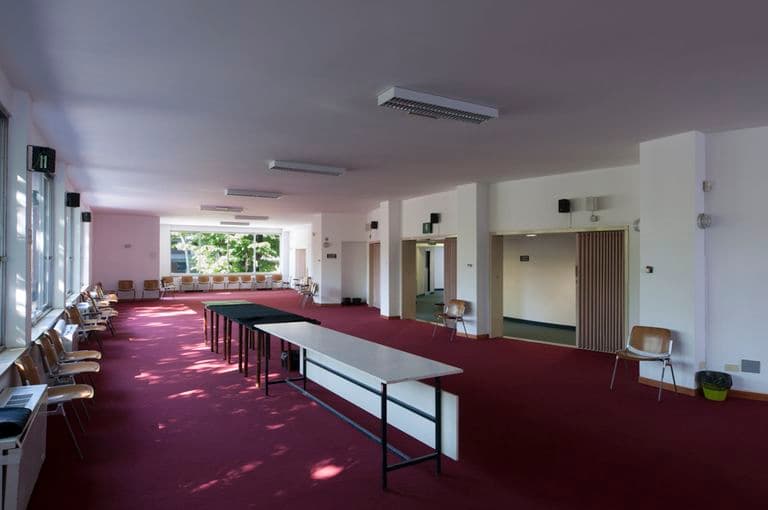
Rimini, Teatro Ermete Novelli, foyer (foto Andrea Scardova, IBC) 2017
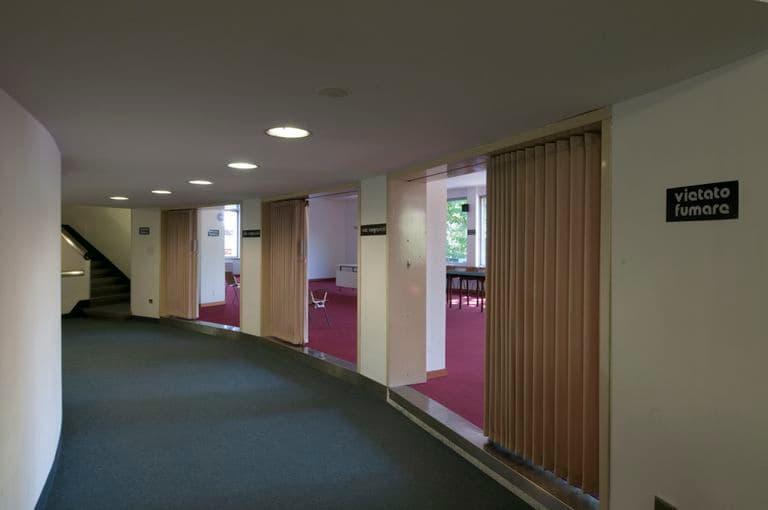
Rimini, Teatro Ermete Novelli, spazio di disimpegno (foto Andrea Scardova, IBC) 2017
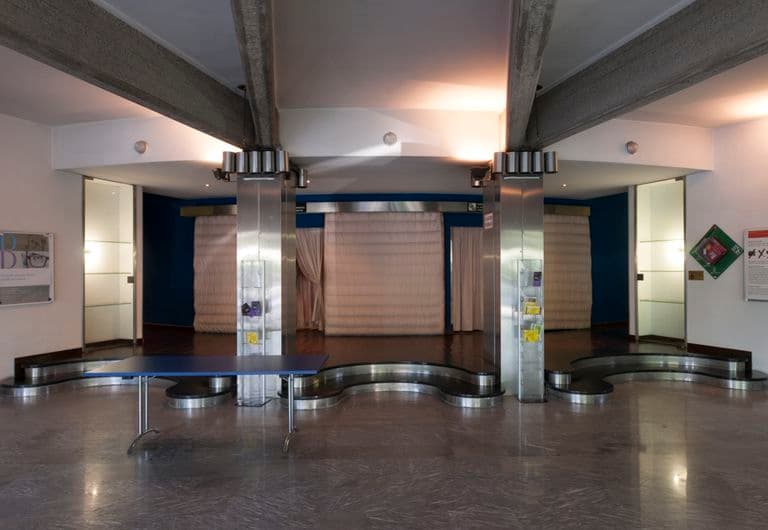
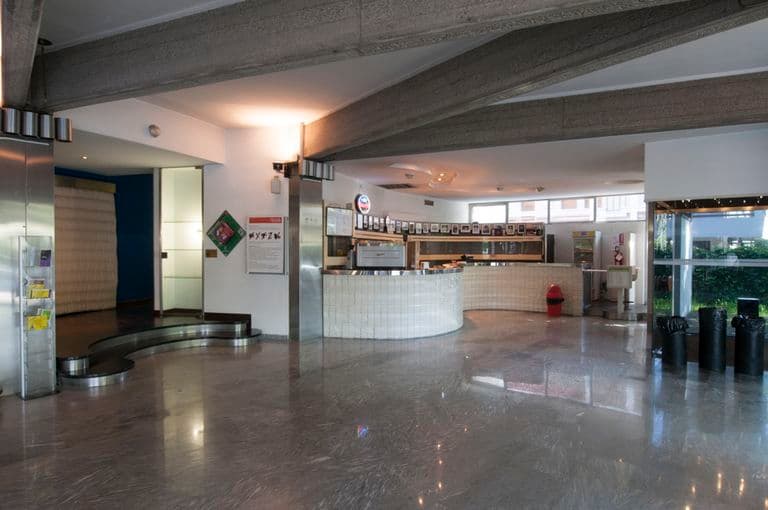
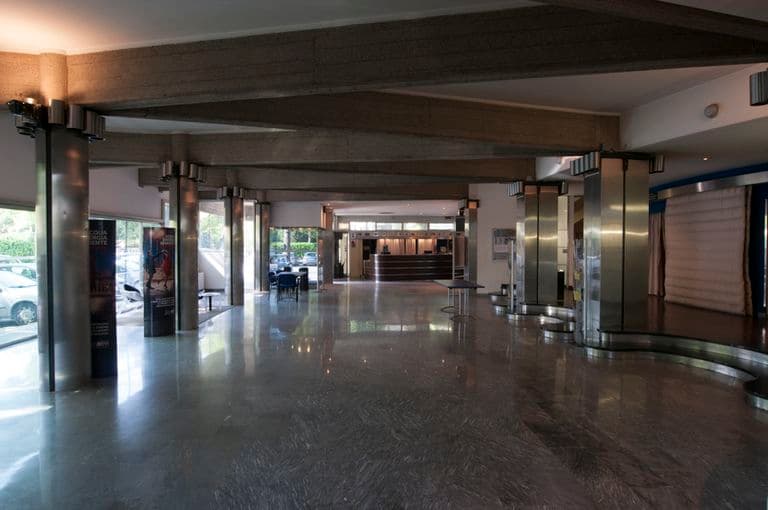
Rimini, Teatro Ermete Novelli, atrio d'ingresso (foto Andrea Scardova, IBC) 2017
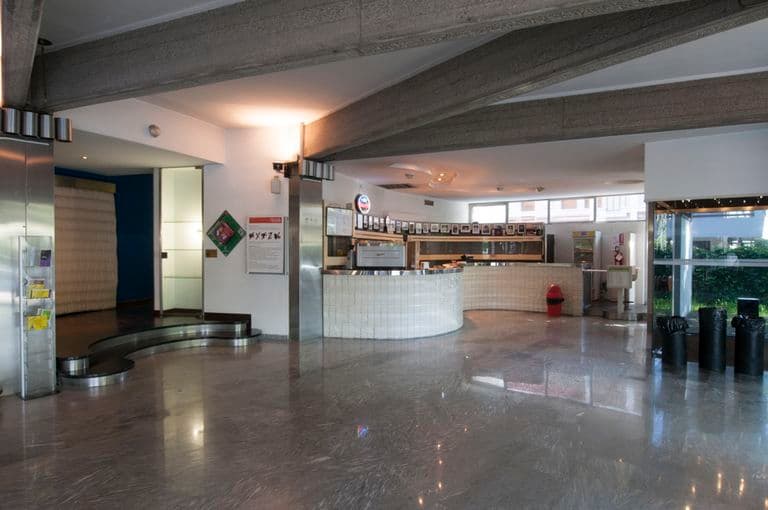
Rimini, Teatro Ermete Novelli, atrio e caffetteria (foto Andrea Scardova, IBC) 2017
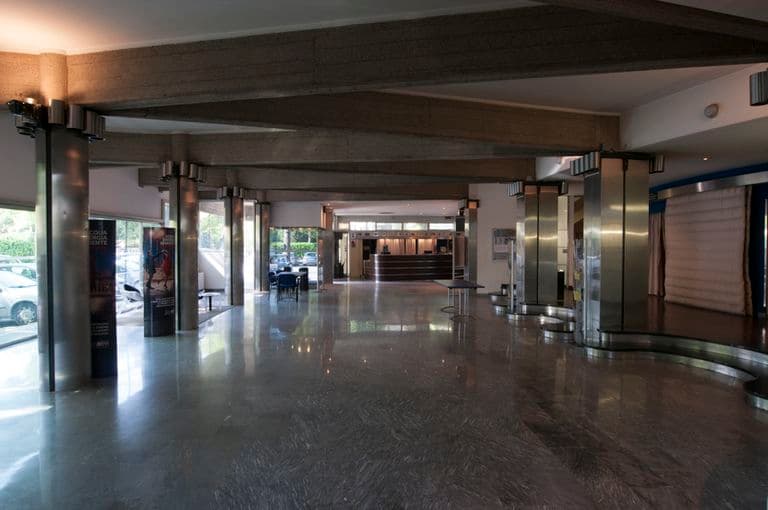
Rimini, Teatro Ermete Novelli, atrio d'ingresso (foto Andrea Scardova, IBC) 2017
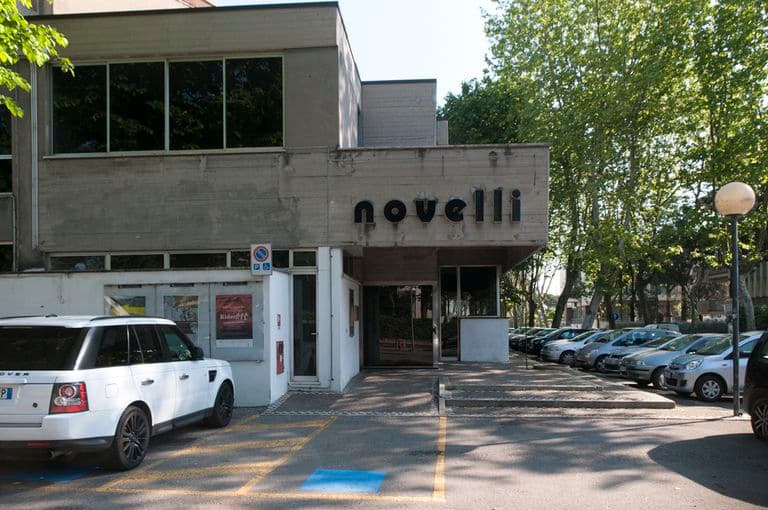
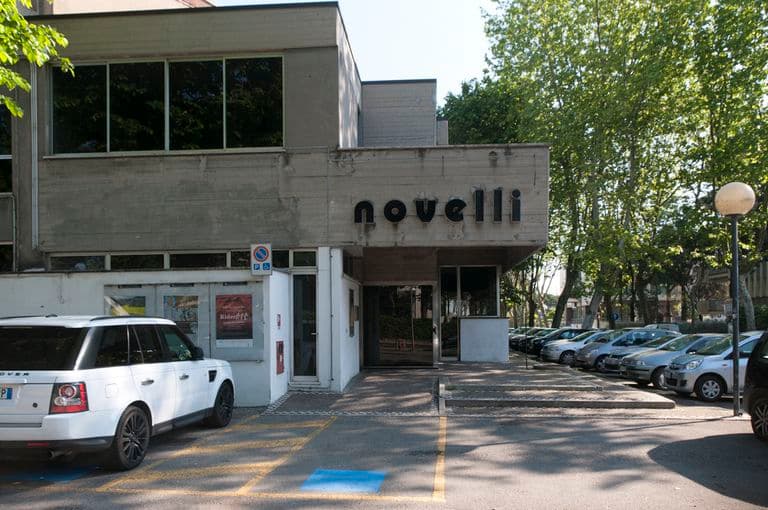
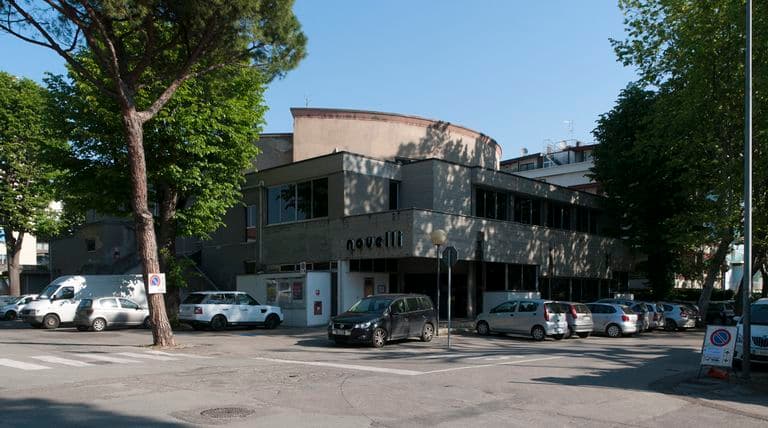
Rimini, Teatro Ermete Novelli, esterno (foto Andrea Scardova, IBC) 2017
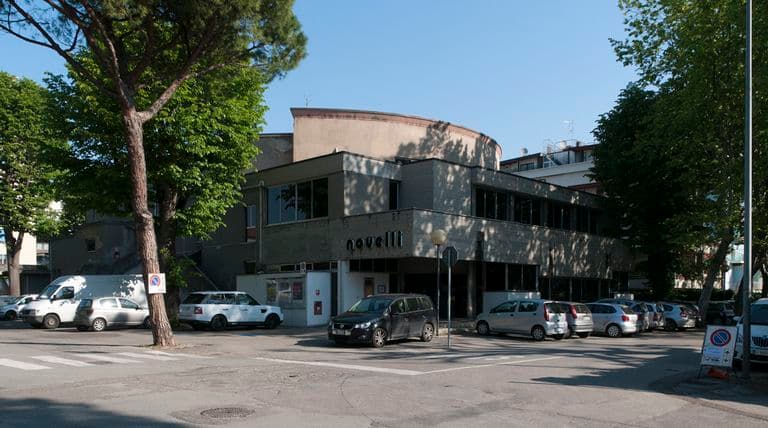
Rimini, Teatro Ermete Novelli, esterno (foto Andrea Scardova, IBC) 2017