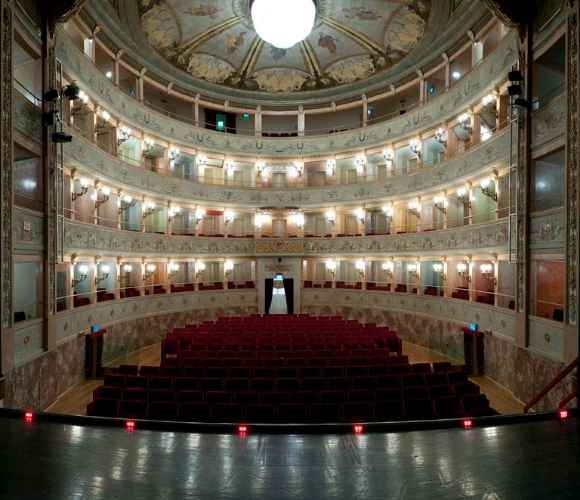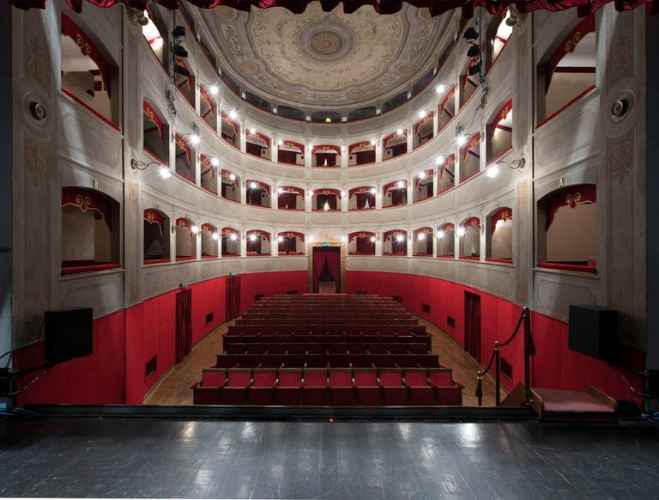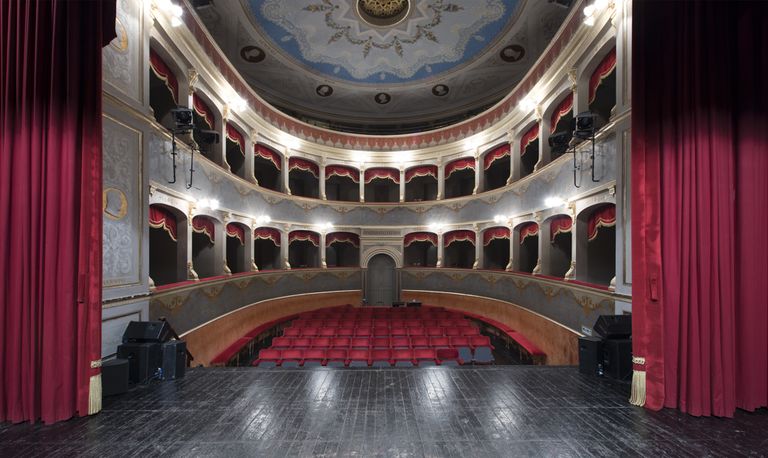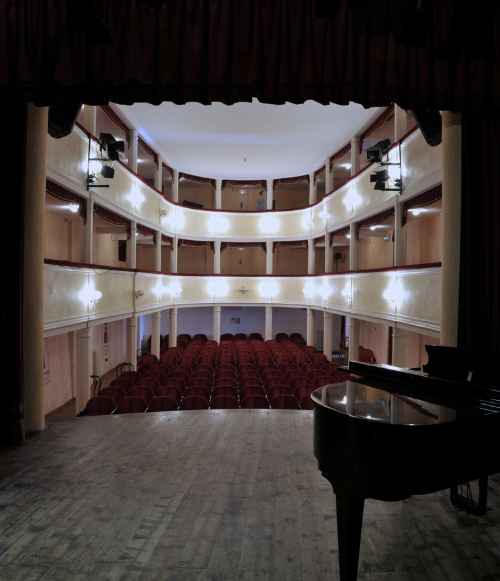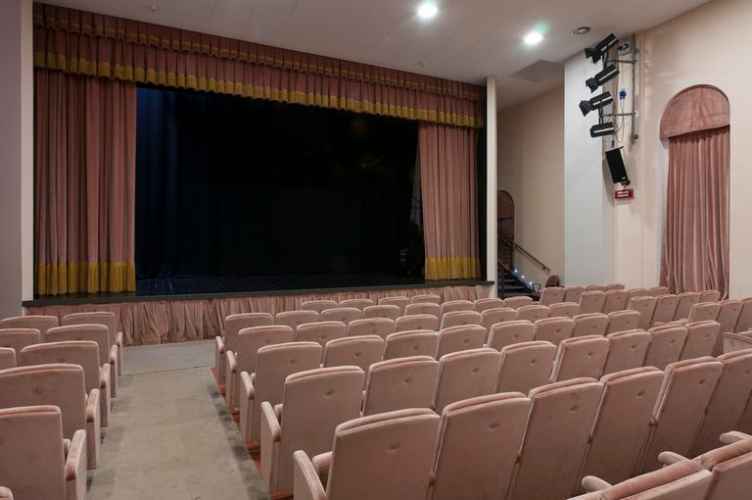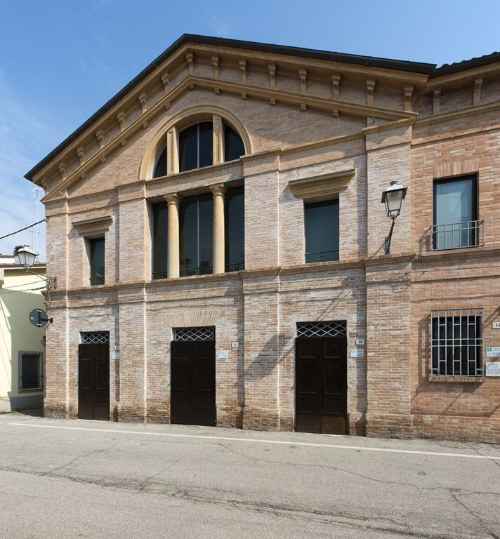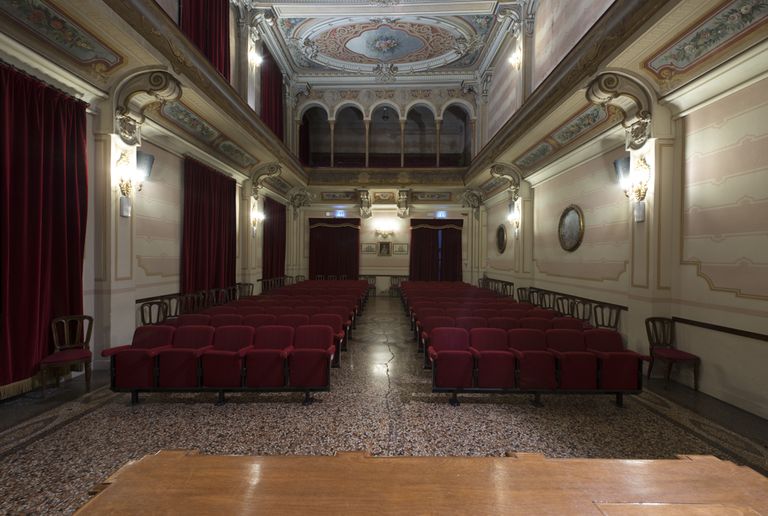
Bologna, Teatro A. Guardassoni, Collegio S. Luigi, la sala teatrale vista dal palcoscenico (foto Andrea Scardova, IBC) 2017
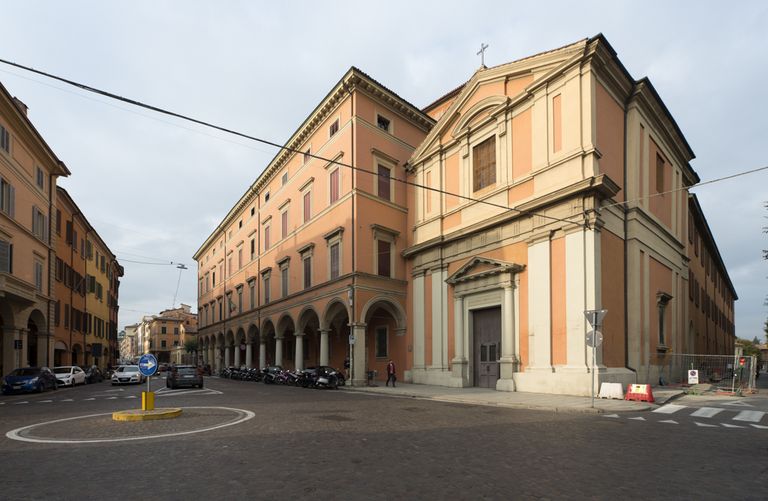
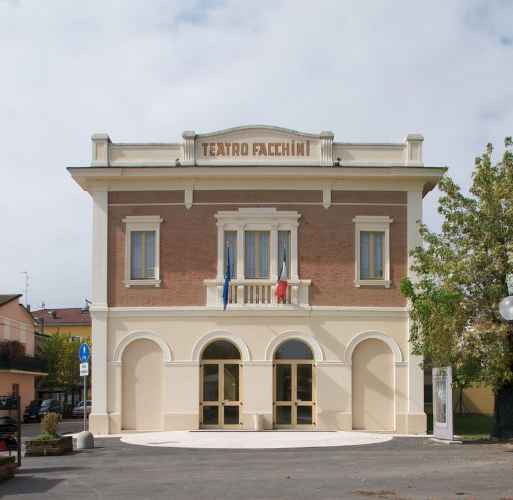
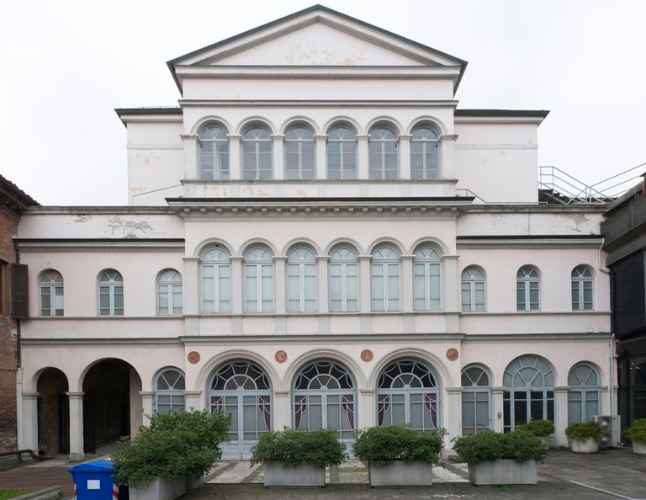
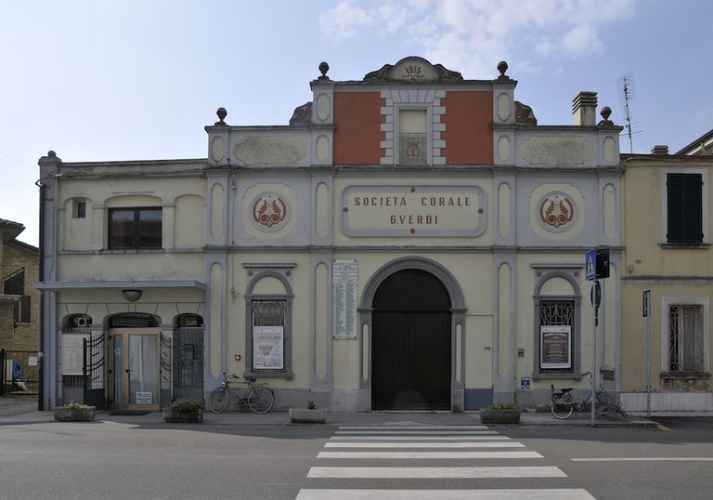
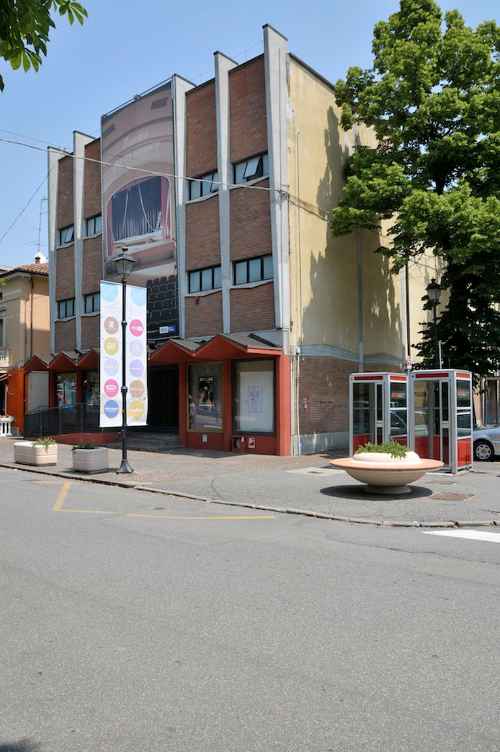
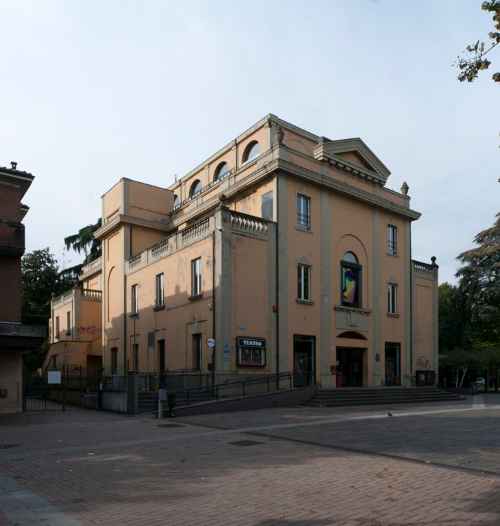
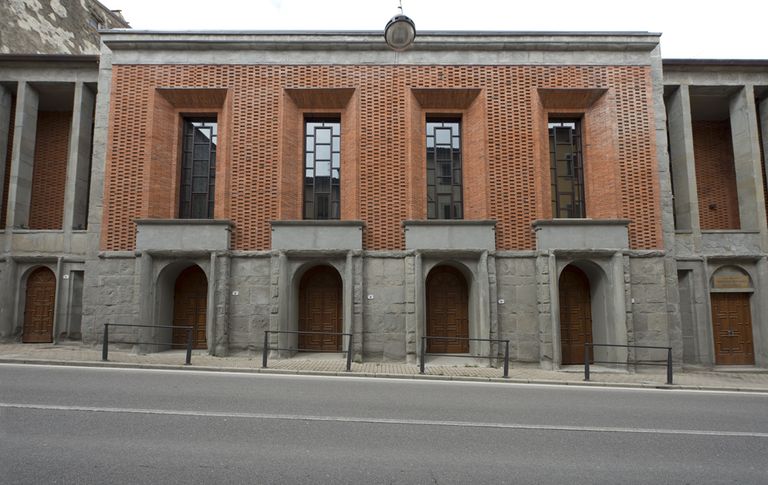
Bologna, Teatro A. Guardassoni, esterno del Collegio S. Luigi dove ha sede il teatro, (foto Andrea Scardova, IBC) 2017
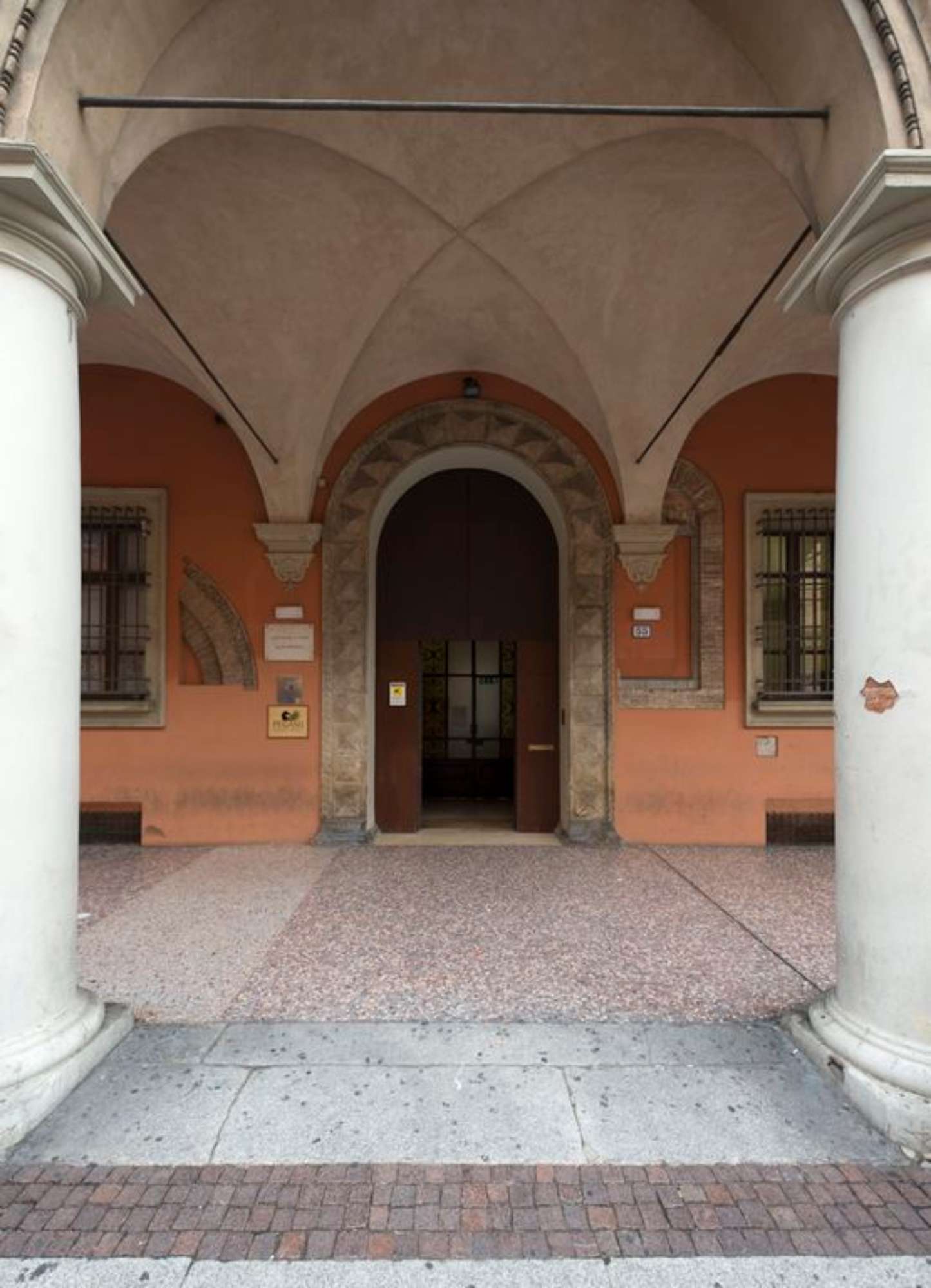
Bologna, Teatro A. Guardassoni, ingresso al Collegio S. Luigi dove ha sede il teatro, (foto Andrea Scardova, IBC) 2017
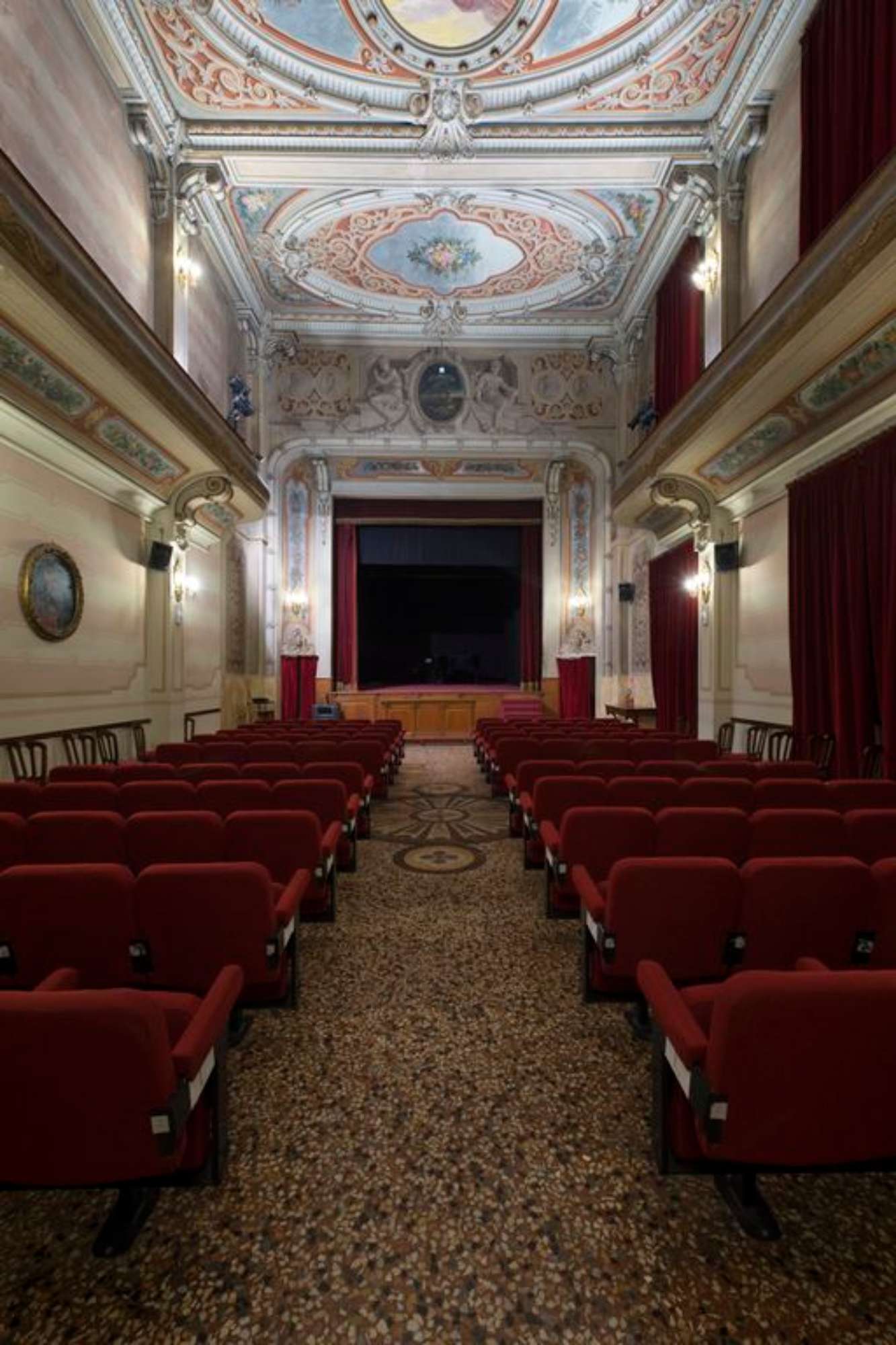
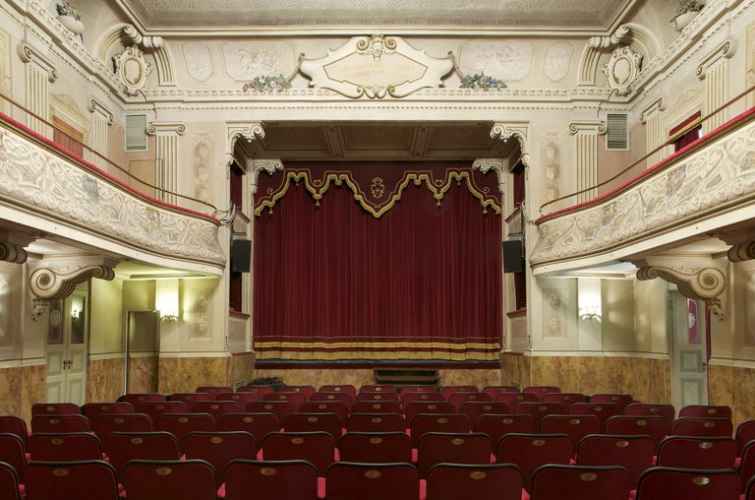
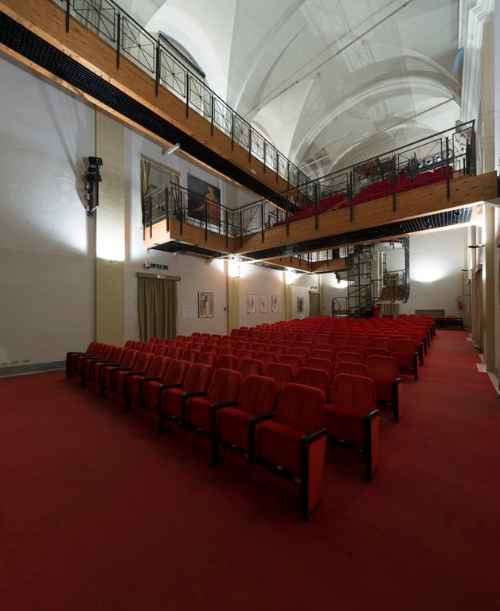
Bologna, Teatro A. Guardassoni, Collegio S. Luigi, la sala teatrale (foto Andrea Scardova, IBC) 2017
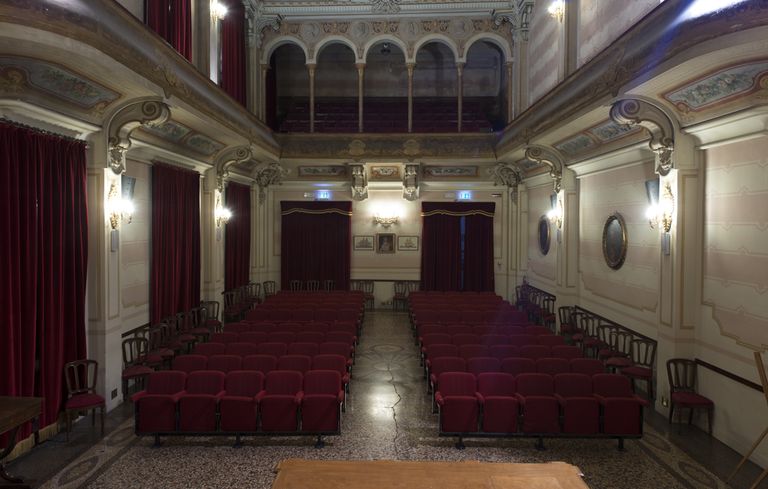
Bologna, Teatro A. Guardassoni, Collegio S. Luigi, la sala vista dal palcoscenico (foto Andrea Scardova, IBC) 2017
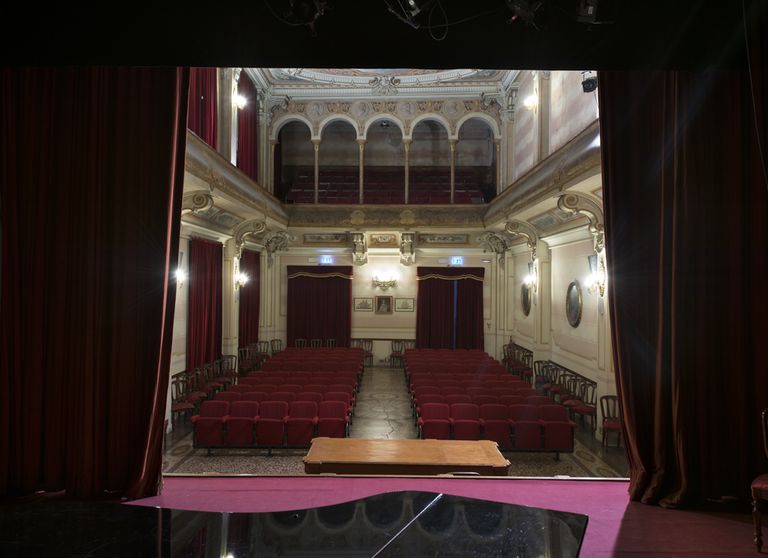
Bologna, Teatro A. Guardassoni, Collegio S. Luigi, la sala vista dal palcoscenico (foto Andrea Scardova, IBC) 2017
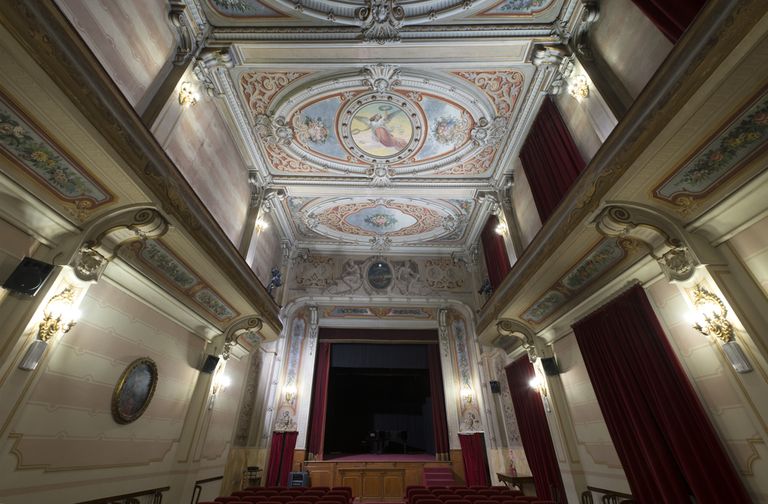
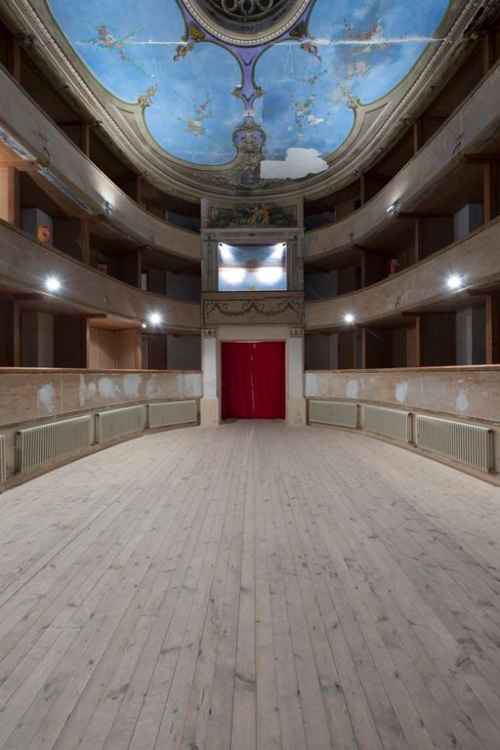
Bologna, Teatro A. Guardassoni, Collegio S. Luigi, panoramica della sala vista dall'ingresso (foto Andrea Scardova, IBC) 2017
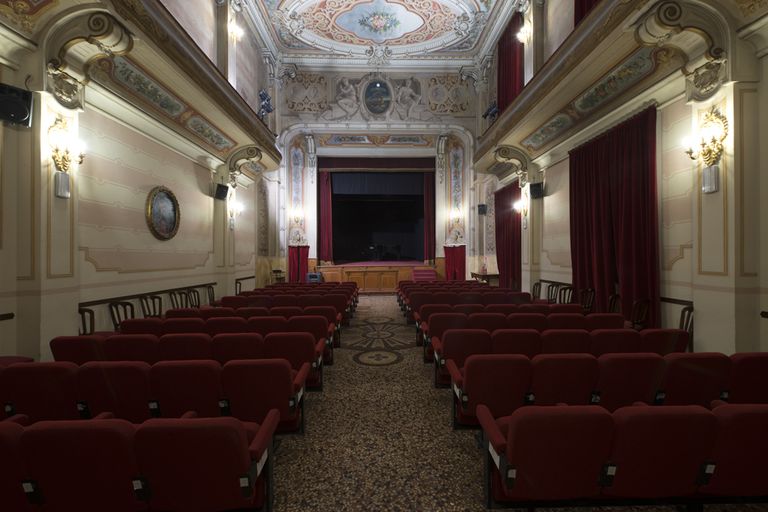
Bologna, Teatro A. Guardassoni, Collegio S. Luigi, la sala teatrale vista dall'ingresso (foto Andrea Scardova, IBC) 2017
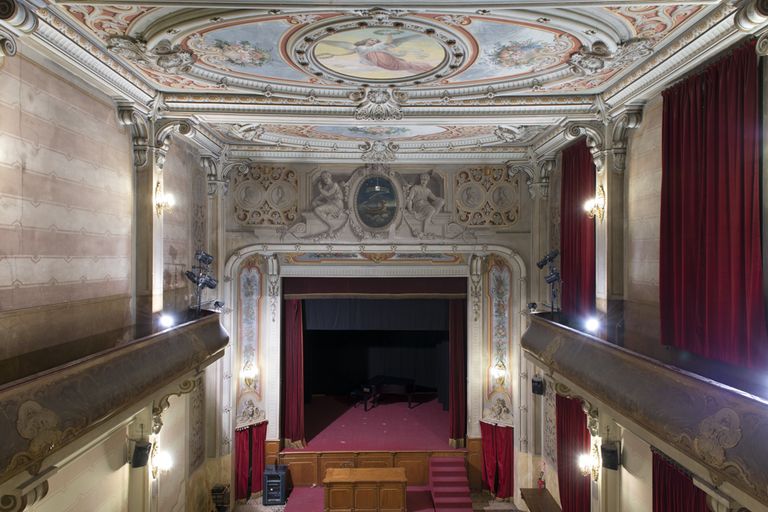
Bologna, Teatro A. Guardassoni, Collegio S. Luigi, panoramica della sala vista dalla loggia (foto Andrea Scardova, IBC) 2017
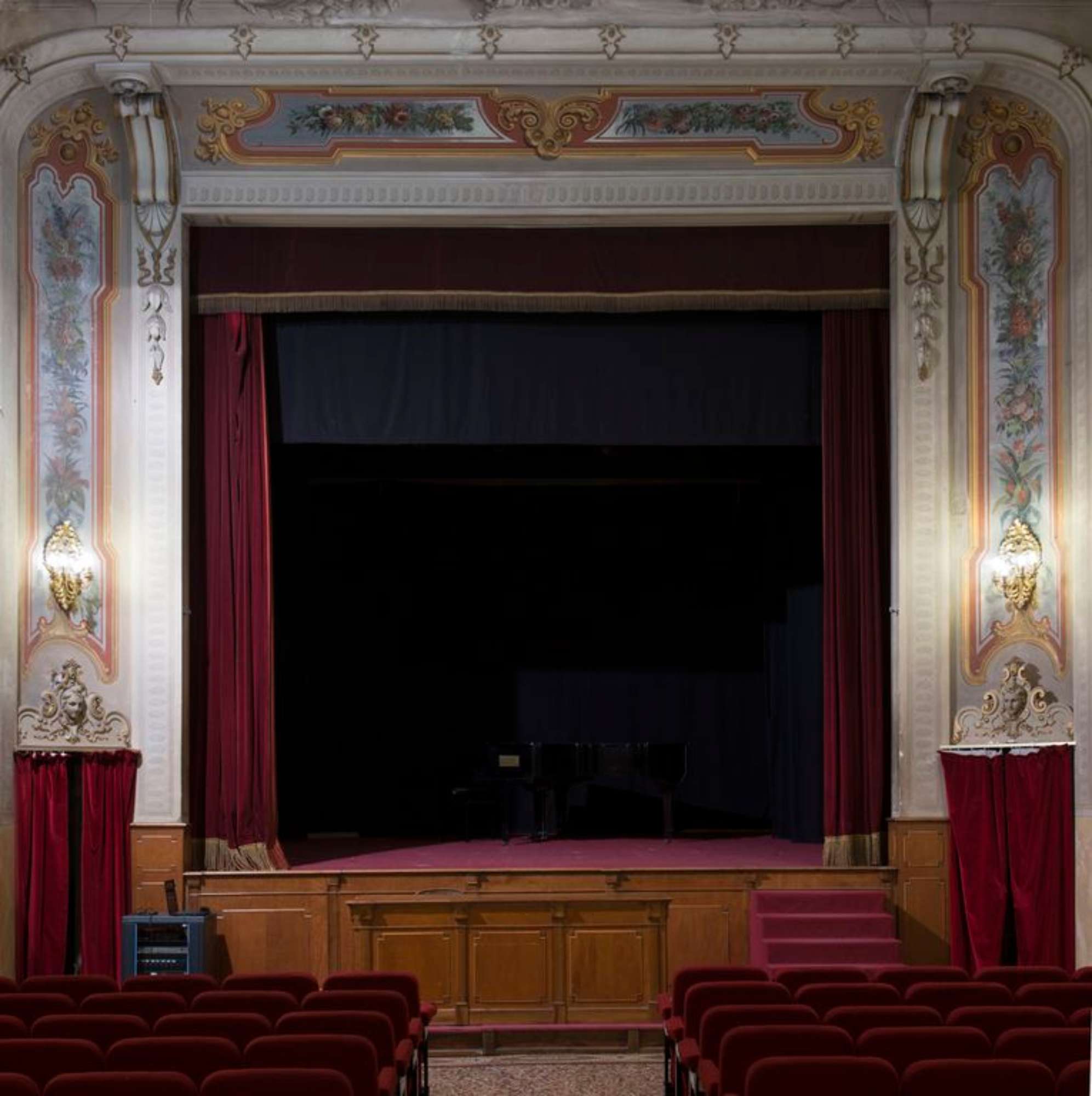
Bologna, Teatro A. Guardassoni, Collegio S. Luigi, il boccascena (foto Andrea Scardova, IBC) 2017
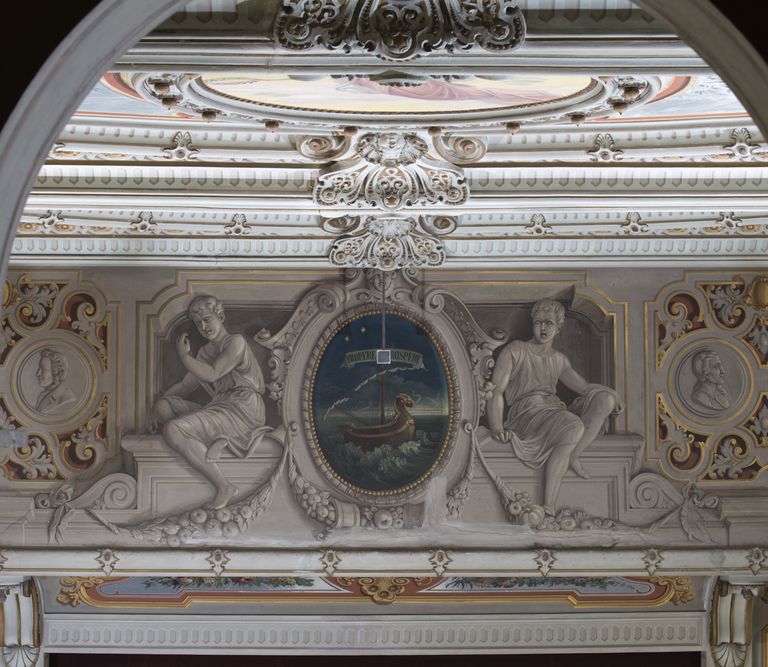
Bologna, Teatro A. Guardassoni, Collegio S. Luigi, particolare della decorazione dell'arcoscenico (foto Andrea Scardova, IBC) 2017
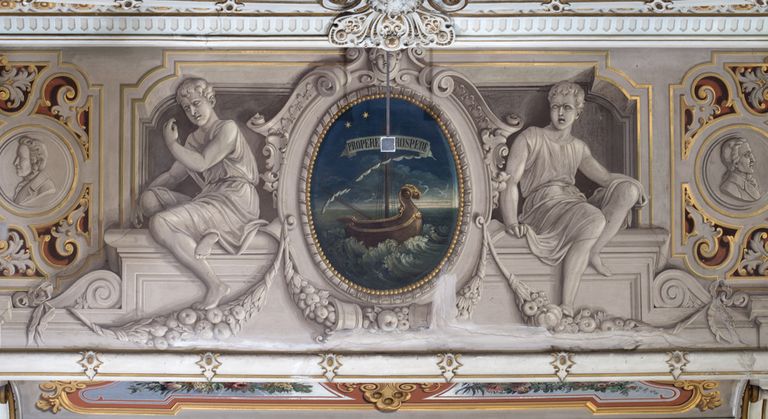
Bologna, Teatro A. Guardassoni, Collegio S. Luigi, particolare della decorazione dell'arcoscenico (foto Andrea Scardova, IBC) 2017
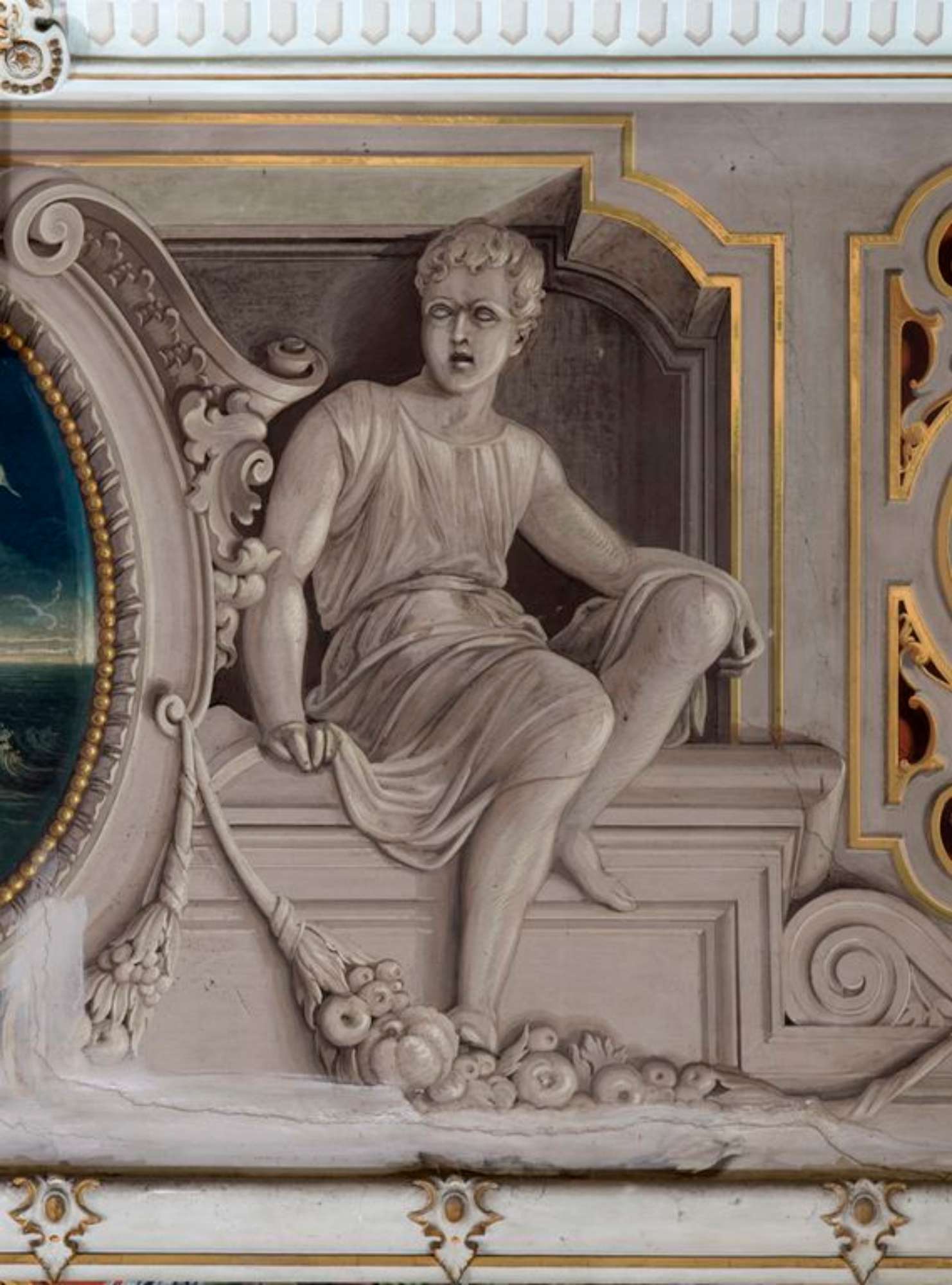
Bologna, Teatro A. Guardassoni, Collegio S. Luigi, particolare della decorazione dell'arcoscenico (foto Andrea Scardova, IBC) 2017
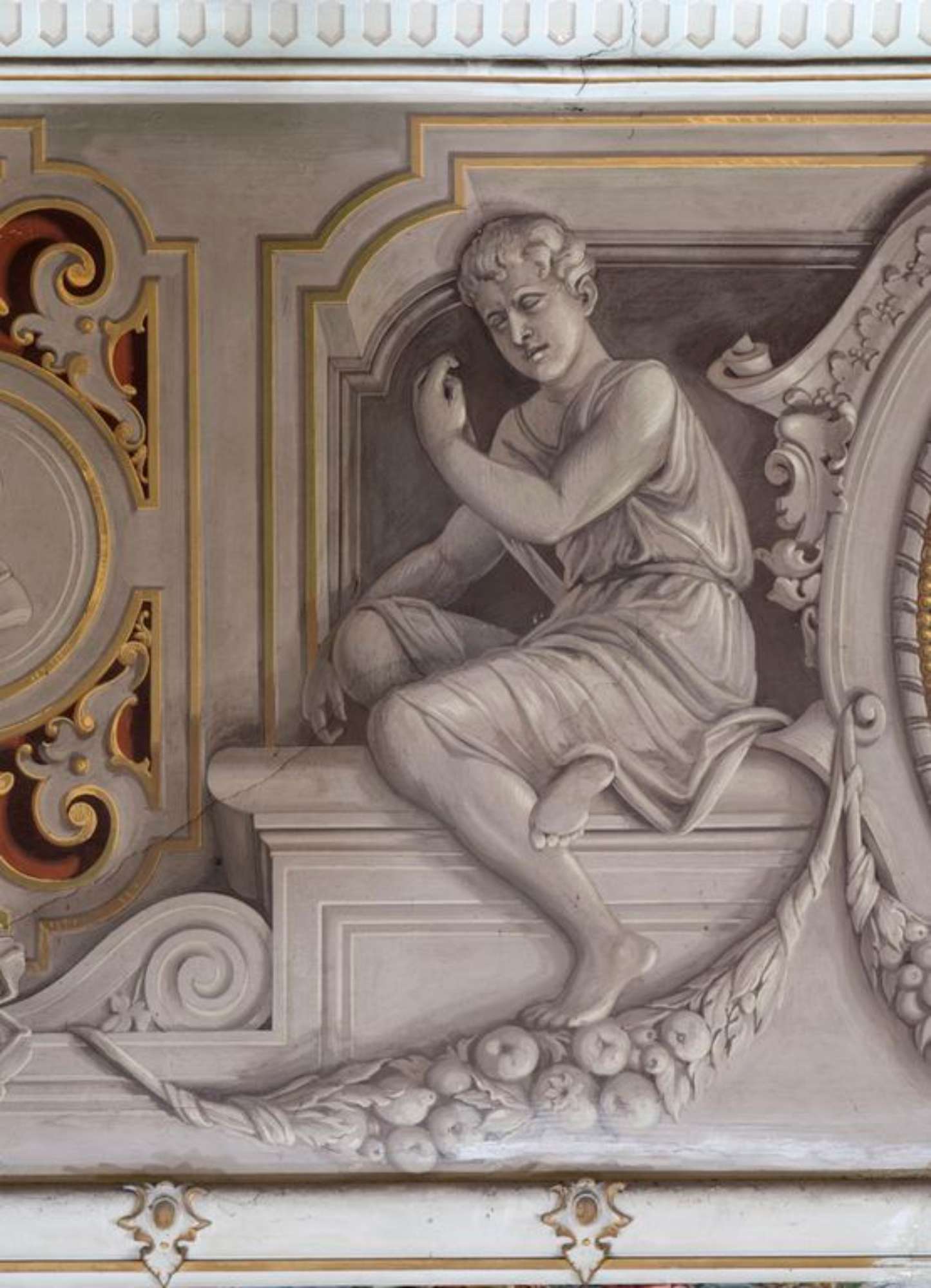
Bologna, Teatro A. Guardassoni, Collegio S. Luigi, particolare della decorazione dell'arcoscenico (foto Andrea Scardova, IBC) 2017
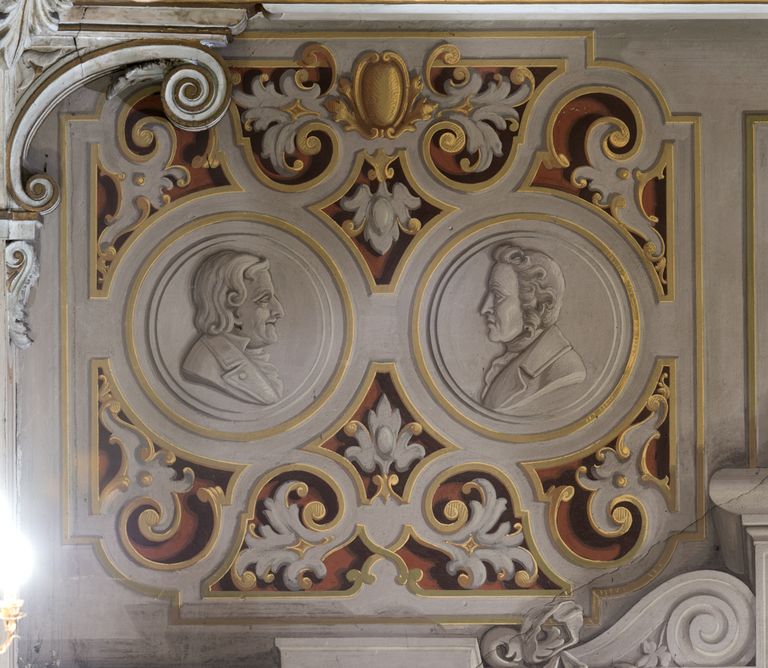
Bologna, Teatro A. Guardassoni, Collegio S. Luigi, particolare della decorazione (foto Andrea Scardova, IBC) 2017
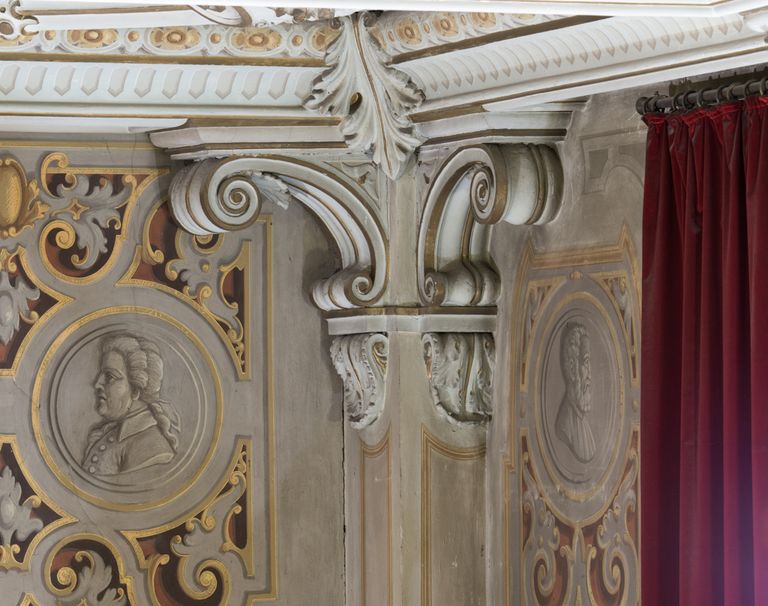
Bologna, Teatro A. Guardassoni, Collegio S. Luigi, particolare della decorazione (foto Andrea Scardova, IBC) 2017
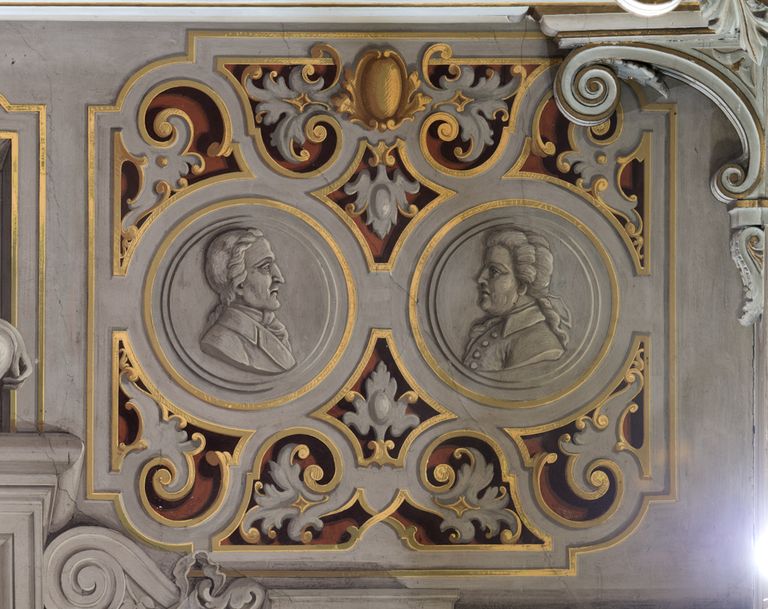
Bologna, Teatro A. Guardassoni, Collegio S. Luigi, particolare della decorazione (foto Andrea Scardova, IBC) 2017
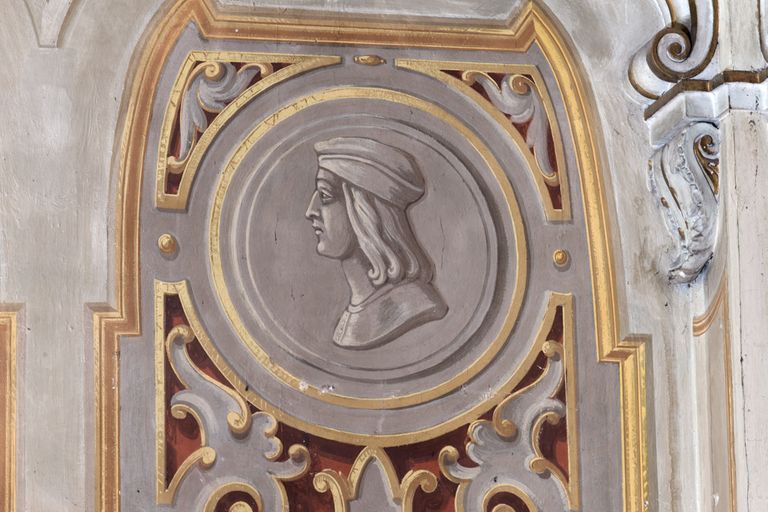
Bologna, Teatro A. Guardassoni, Collegio S. Luigi, particolare della decorazione (foto Andrea Scardova, IBC) 2017
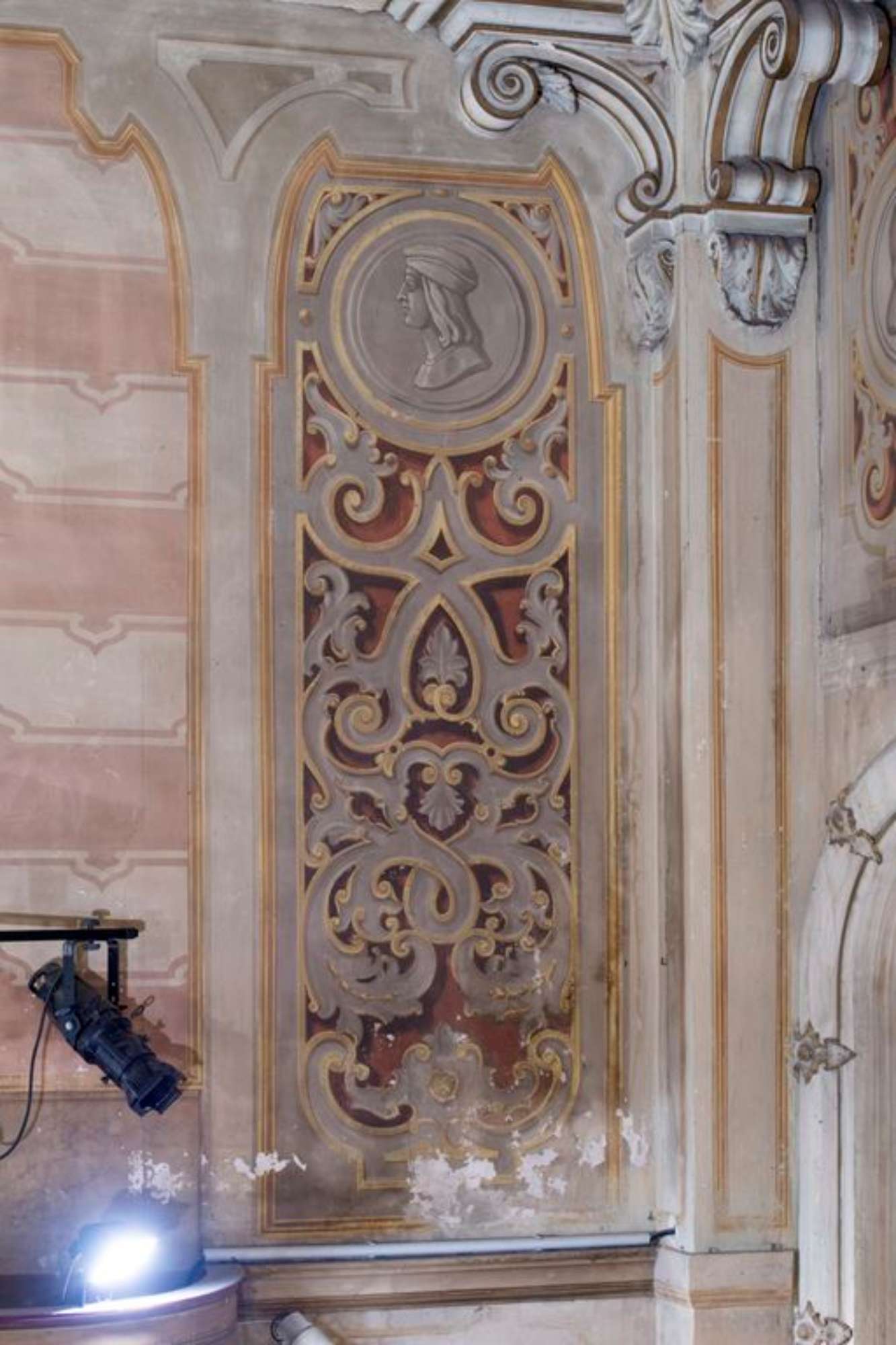
Bologna, Teatro A. Guardassoni, Collegio S. Luigi, particolare della decorazione (foto Andrea Scardova, IBC) 2017
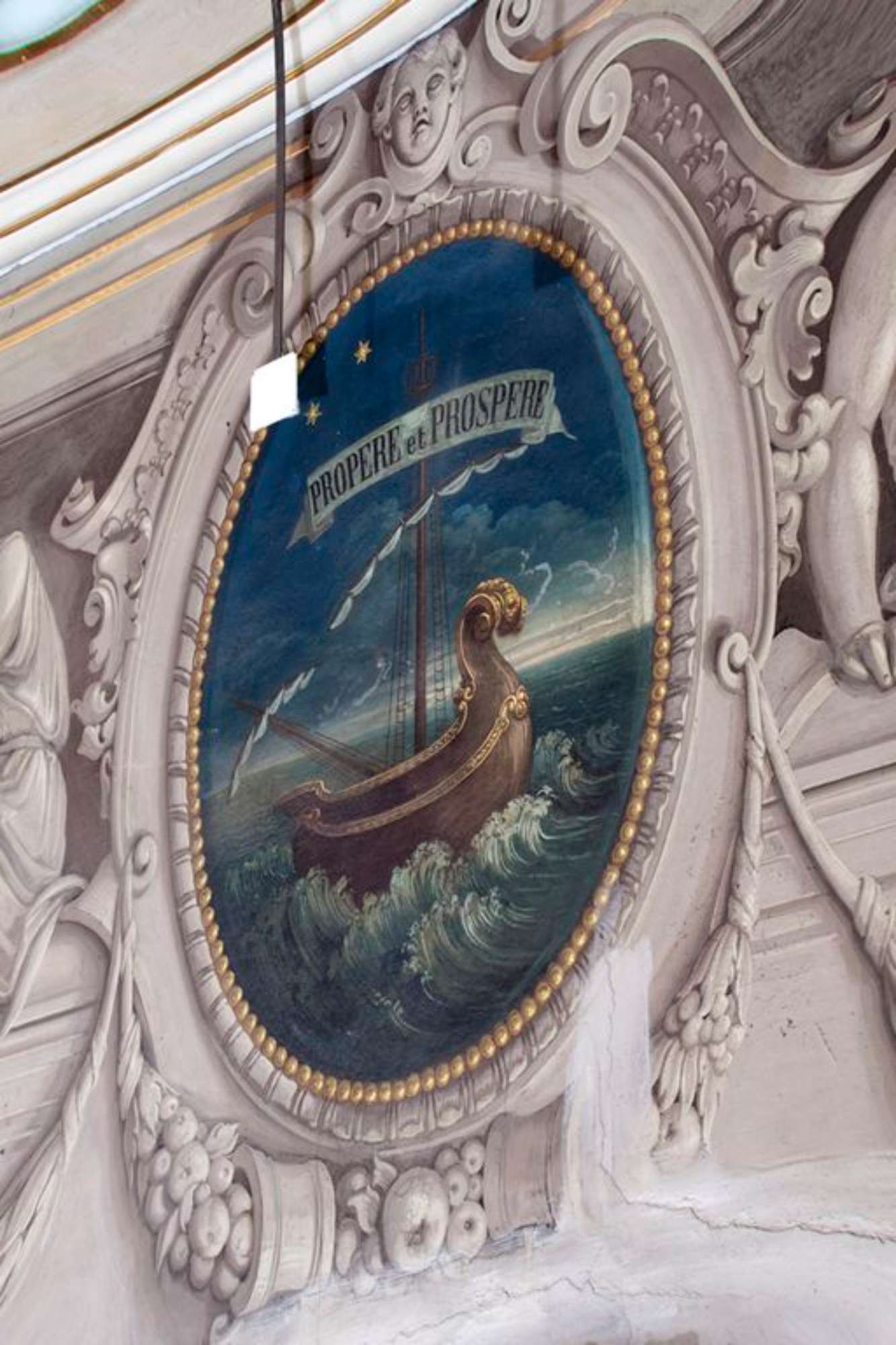
Bologna, Teatro A. Guardassoni, Collegio S. Luigi, particolare della decorazione dell'arcoscenico (foto Andrea Scardova, IBC) 2017
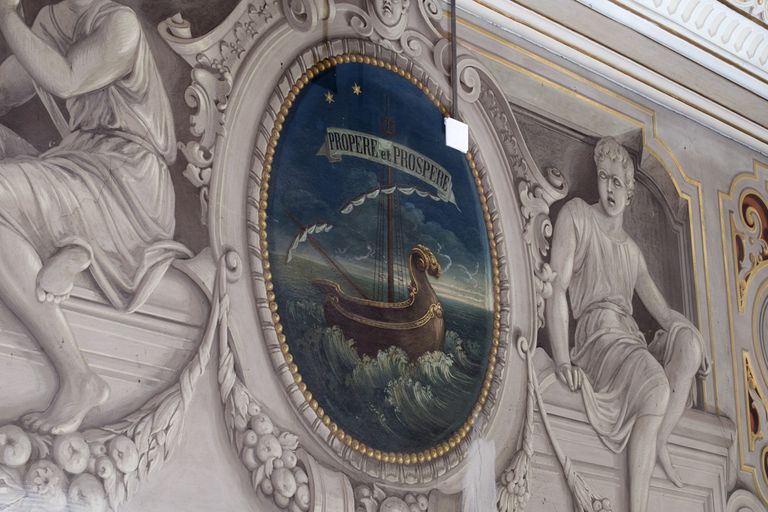
Bologna, Teatro A. Guardassoni, Collegio S. Luigi, particolare della decorazione dell'arcoscenico (foto Andrea Scardova, IBC) 2017
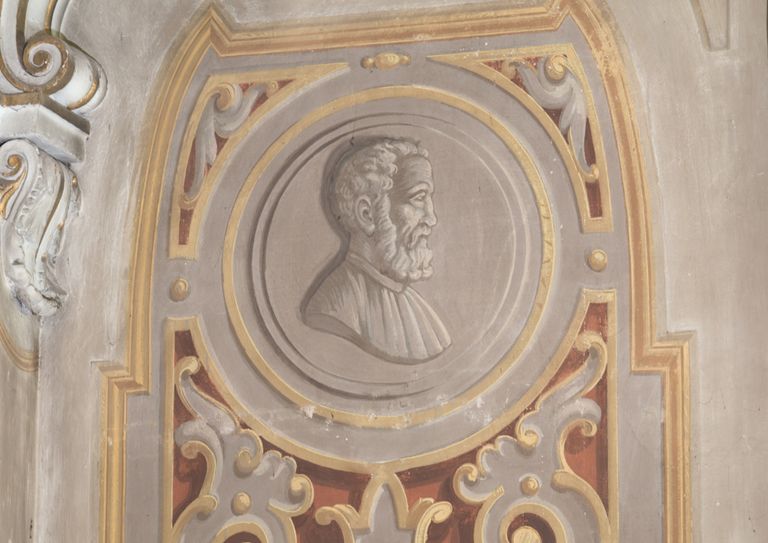
Bologna, Teatro A. Guardassoni, Collegio S. Luigi, particolare della decorazione (foto Andrea Scardova, IBC) 2017
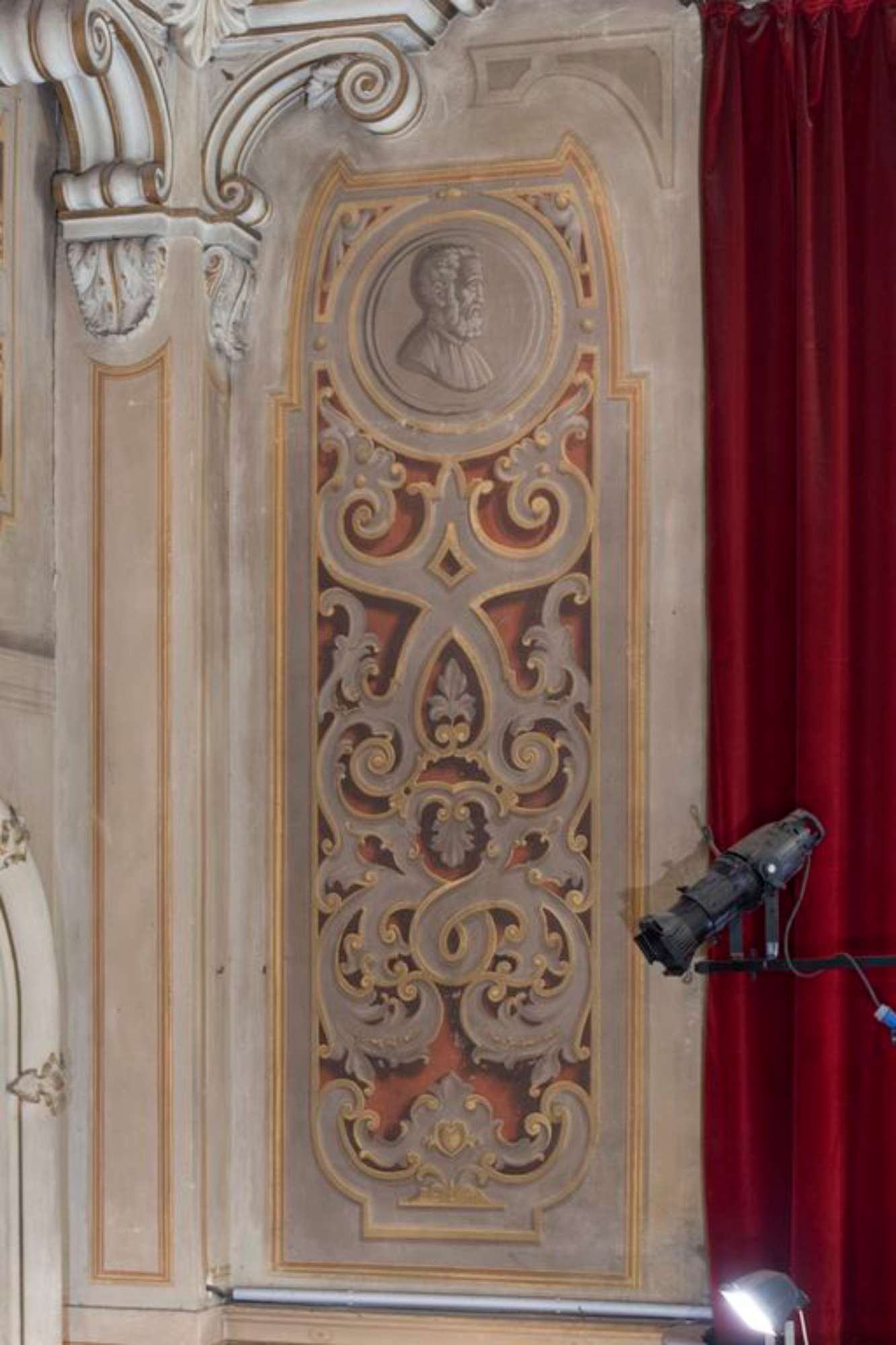
Bologna, Teatro A. Guardassoni, Collegio S. Luigi, particolare della decorazione (foto Andrea Scardova, IBC) 2017
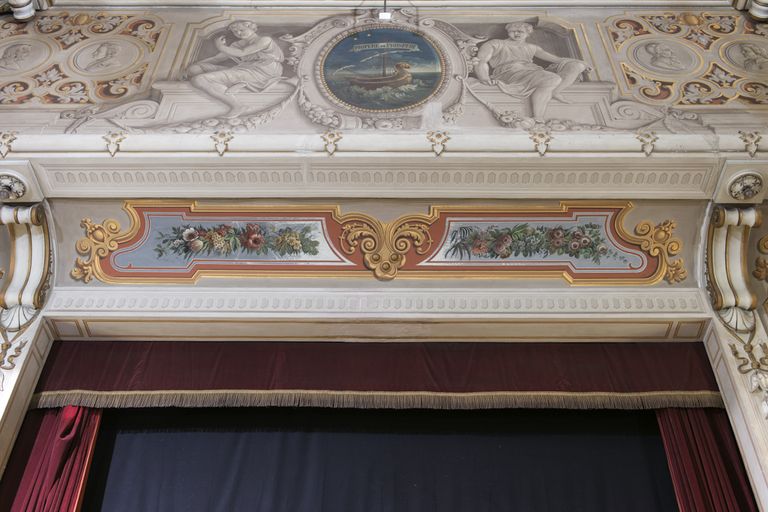
Bologna, Teatro A. Guardassoni, Collegio S. Luigi, particolare del boccascena (foto Andrea Scardova, IBC) 2017
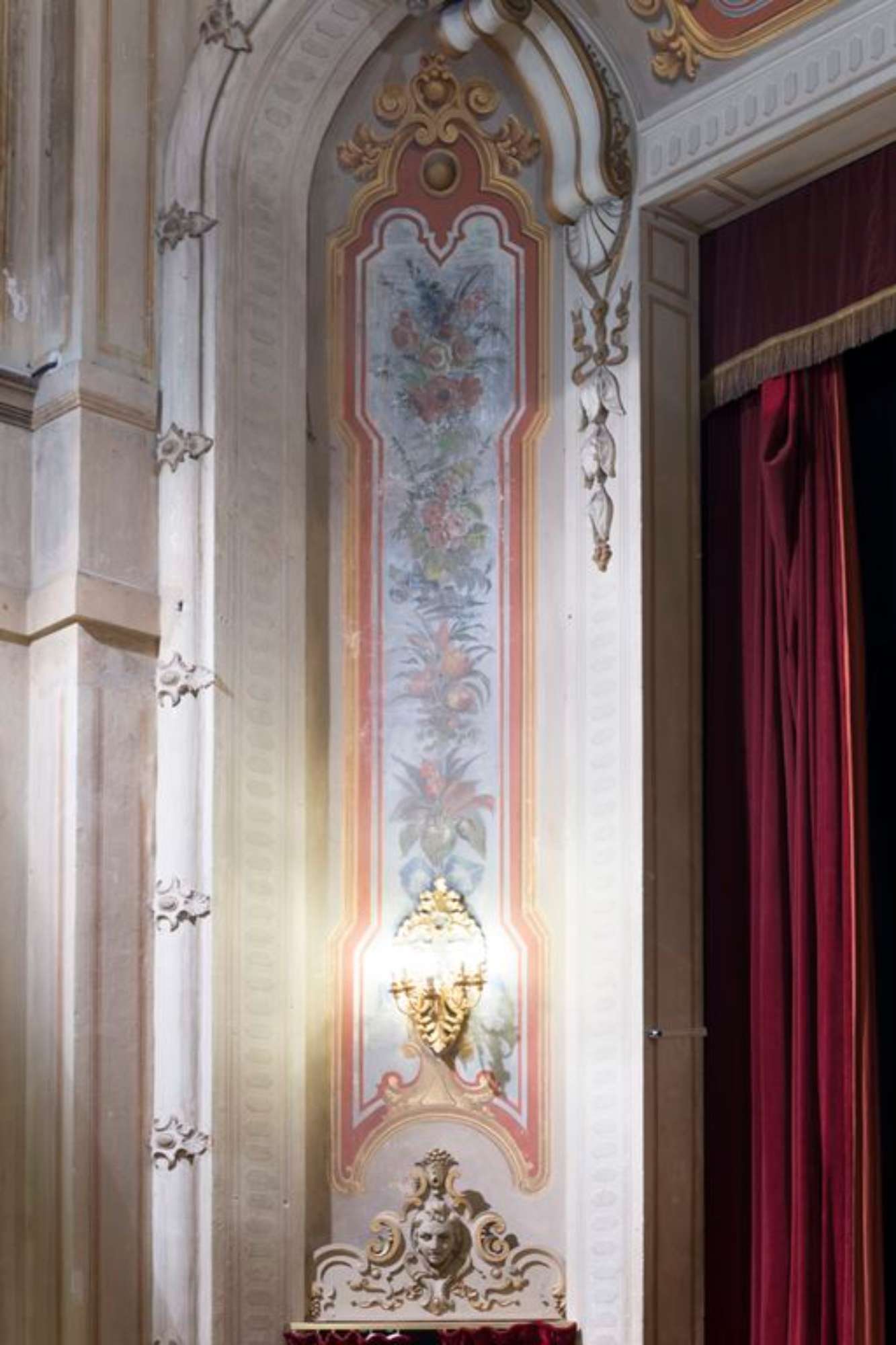
Bologna, Teatro A. Guardassoni, Collegio S. Luigi, particolare del boccascena (foto Andrea Scardova, IBC) 2017
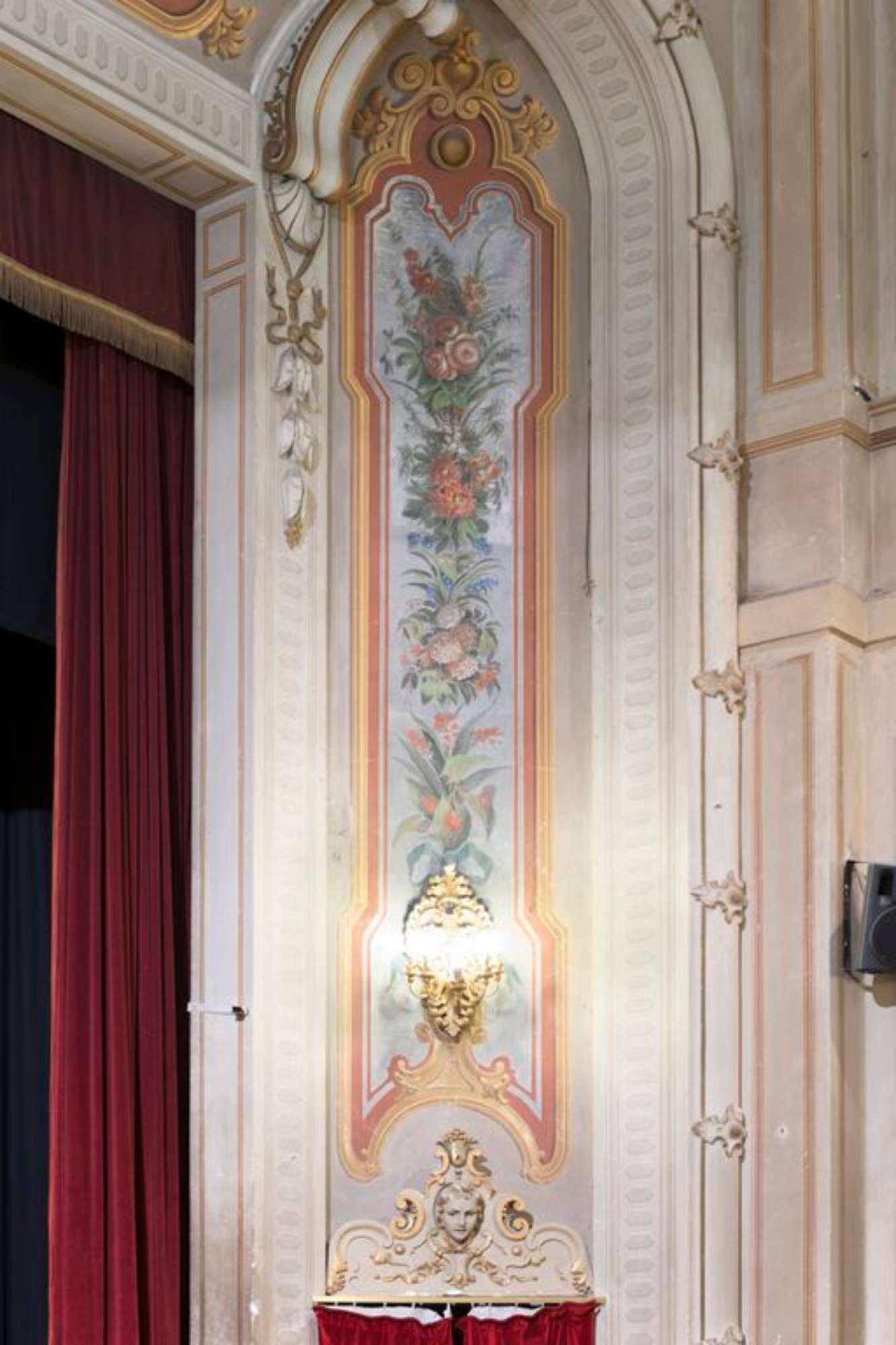
Bologna, Teatro A. Guardassoni, Collegio S. Luigi, particolare del boccascena (foto Andrea Scardova, IBC) 2017
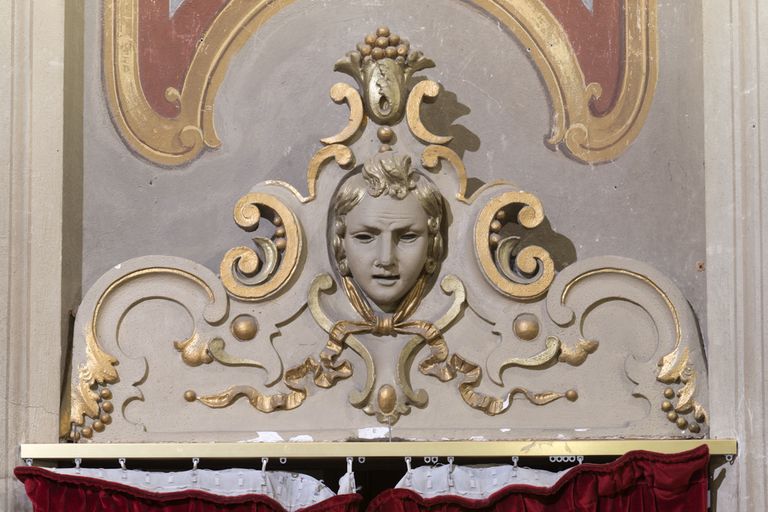
Bologna, Teatro A. Guardassoni, Collegio S. Luigi, particolare del boccascena (foto Andrea Scardova, IBC) 2017
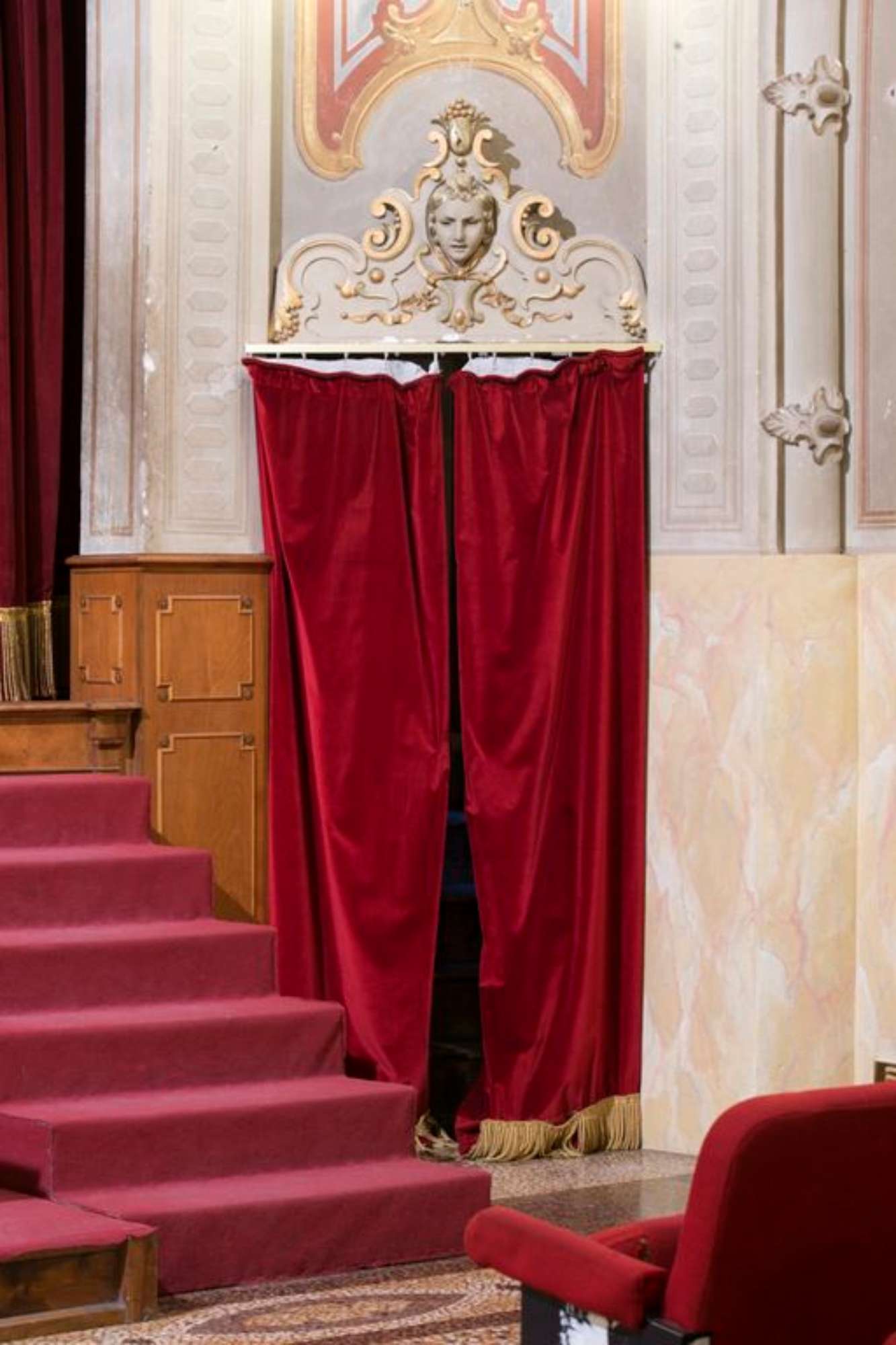
Bologna, Teatro A. Guardassoni, Collegio S. Luigi, particolare del boccascena (foto Andrea Scardova, IBC) 2017
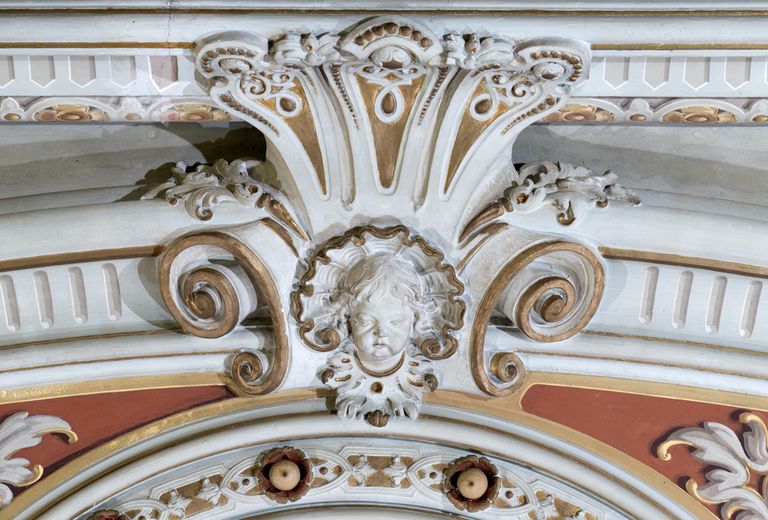
Bologna, Teatro A. Guardassoni, Collegio S. Luigi, particolare della decorazione (foto Andrea Scardova, IBC) 2017
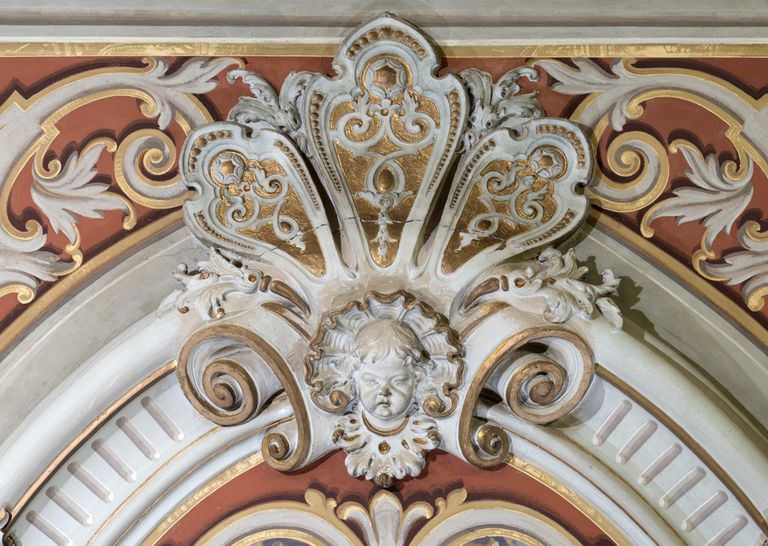
Bologna, Teatro A. Guardassoni, Collegio S. Luigi, particolare della decorazione (foto Andrea Scardova, IBC) 2017
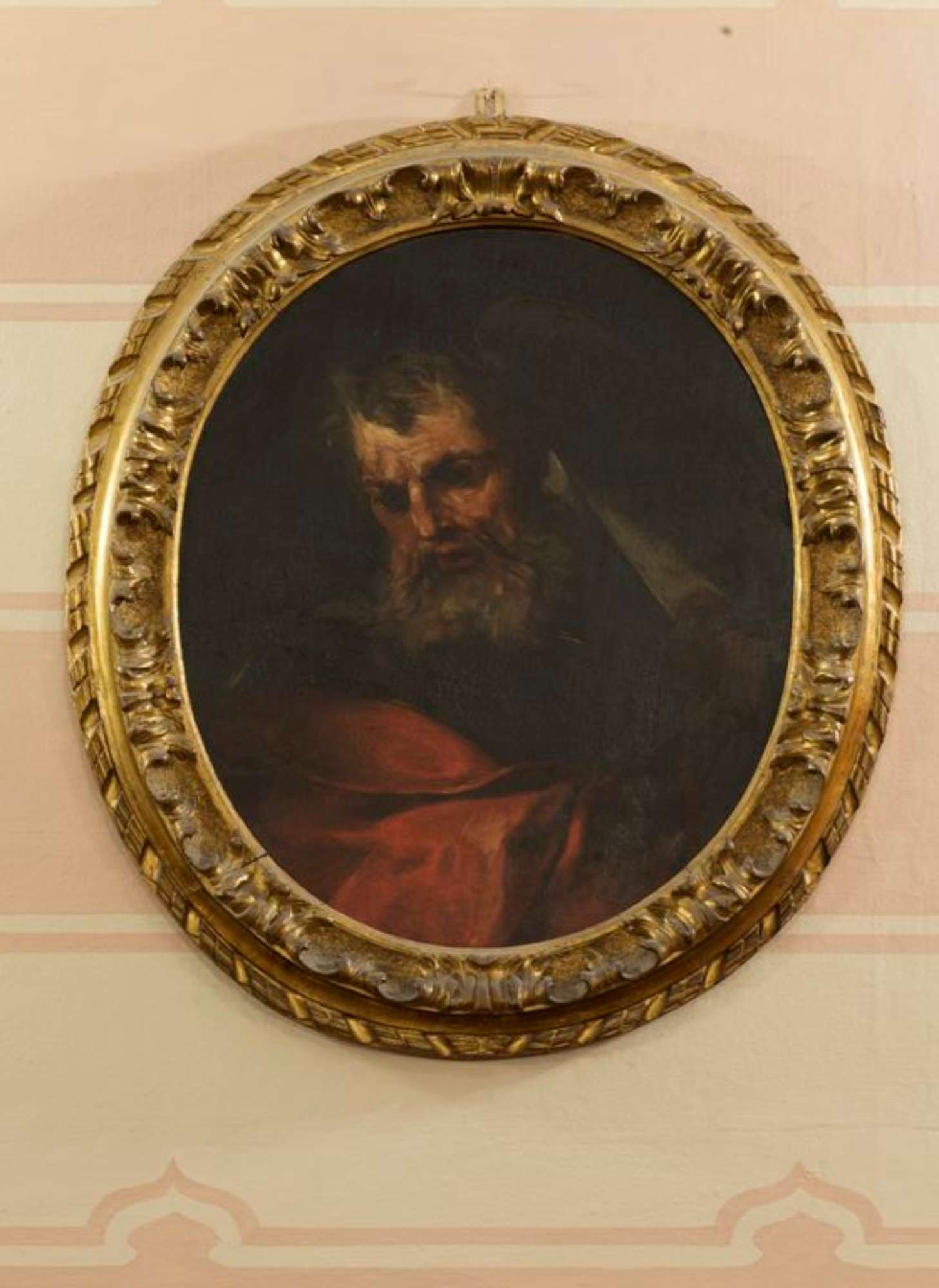
Bologna, Teatro A. Guardassoni, Collegio S. Luigi, particolare (foto Andrea Scardova, IBC) 2017
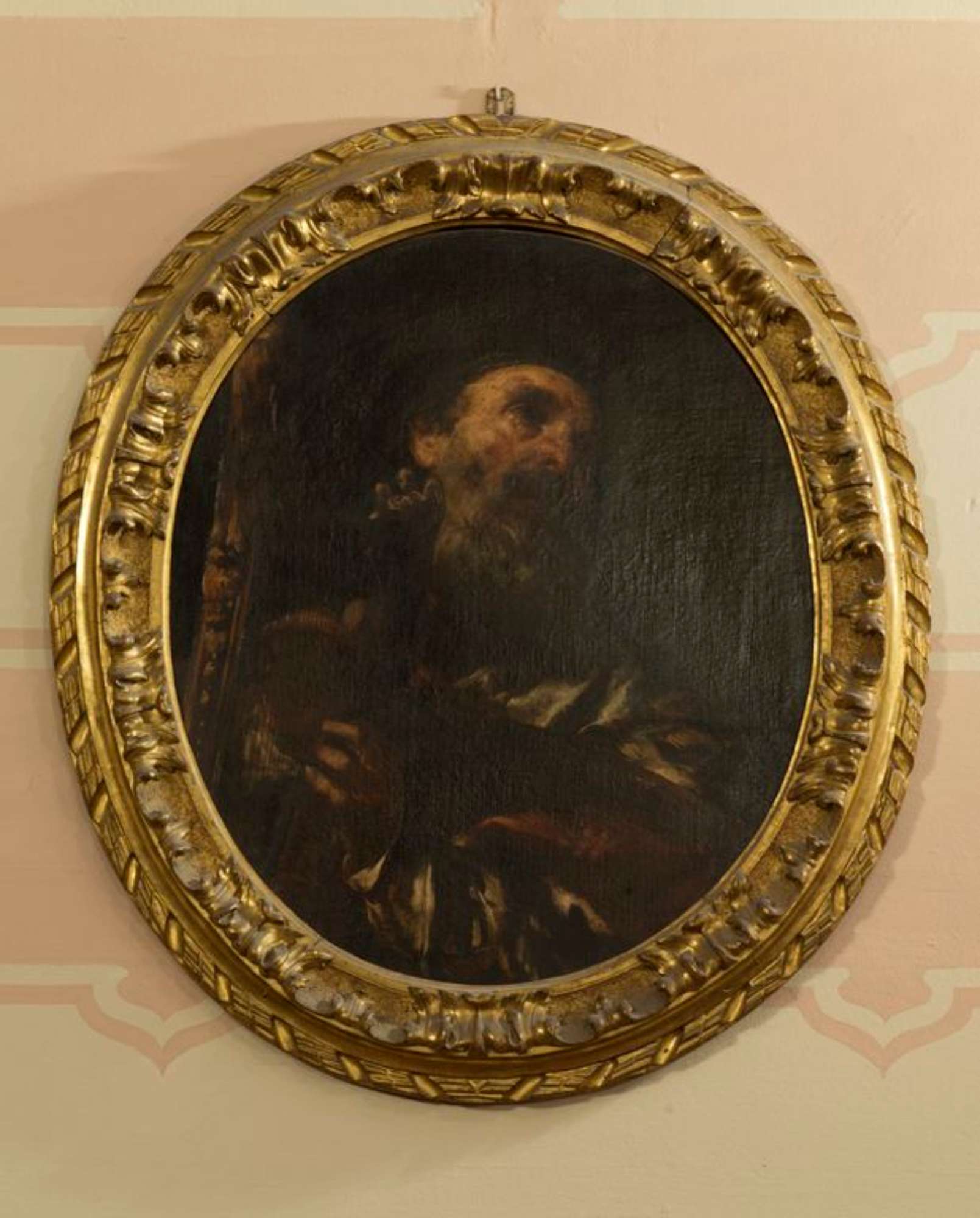
Bologna, Teatro A. Guardassoni, Collegio S. Luigi, particolare (foto Andrea Scardova, IBC) 2017
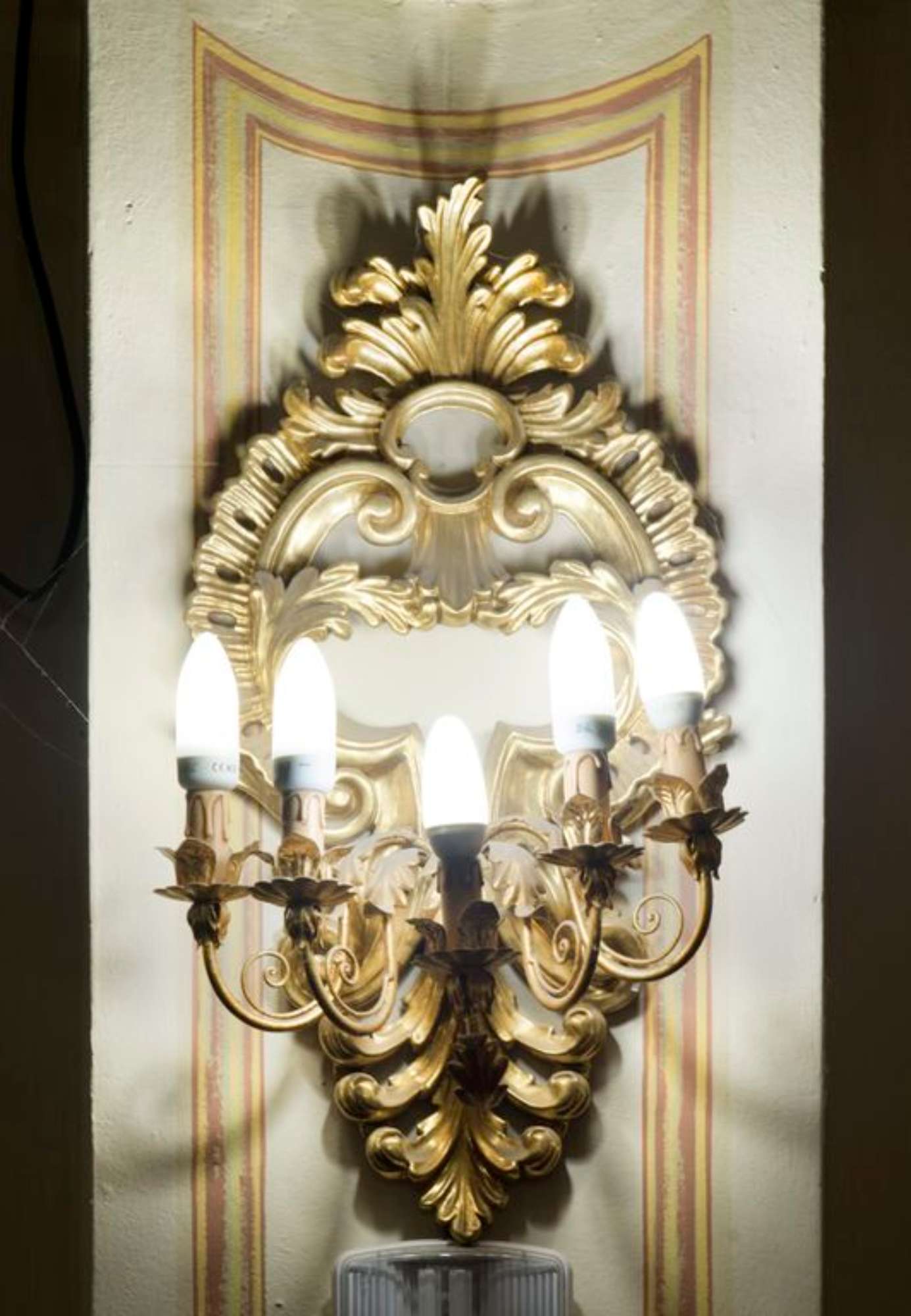
Bologna, Teatro A. Guardassoni, Collegio S. Luigi, particolare (foto Andrea Scardova, IBC) 2017
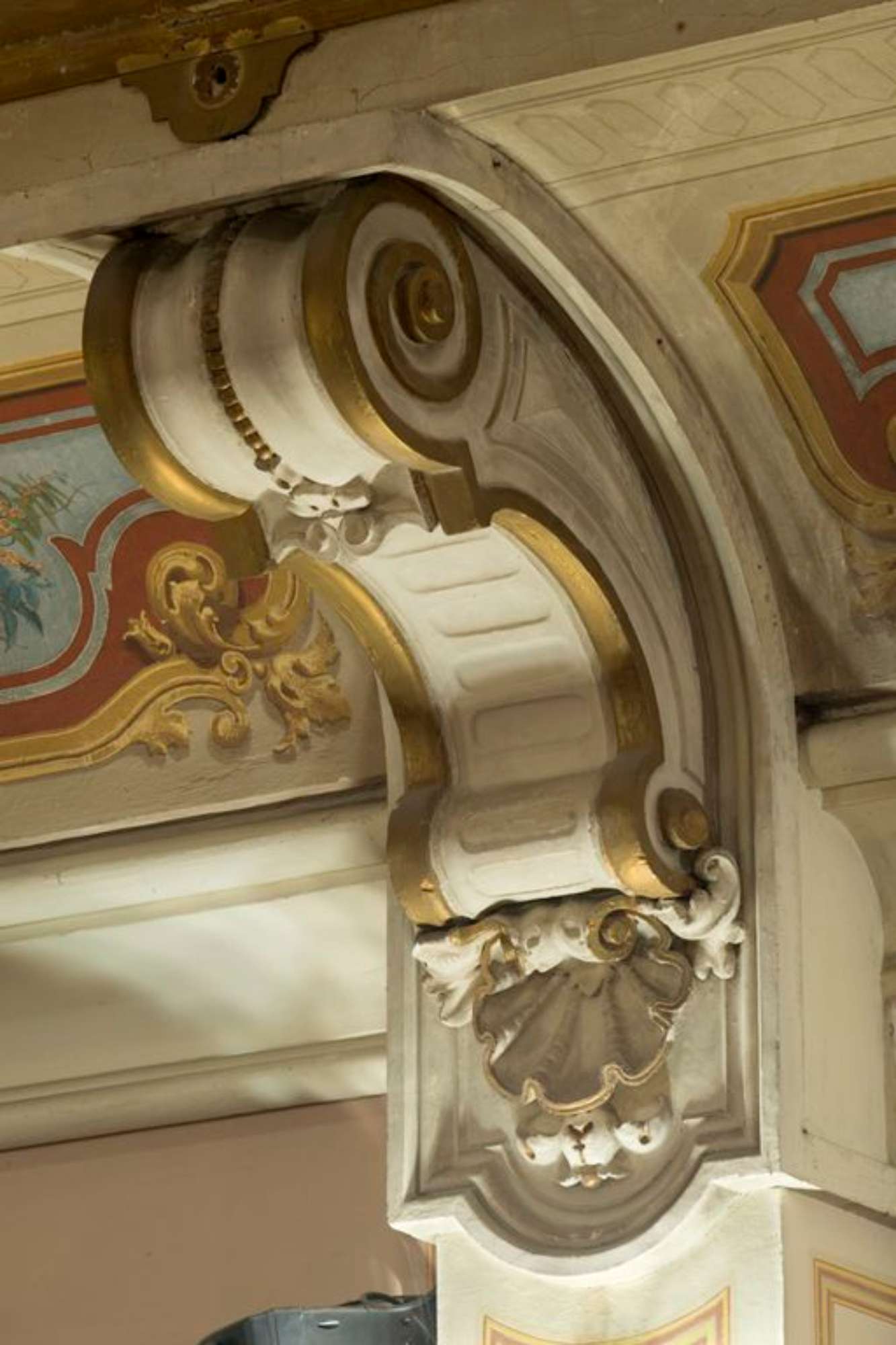
Bologna, Teatro A. Guardassoni, Collegio S. Luigi, particolare della decorazione (foto Andrea Scardova, IBC) 2017
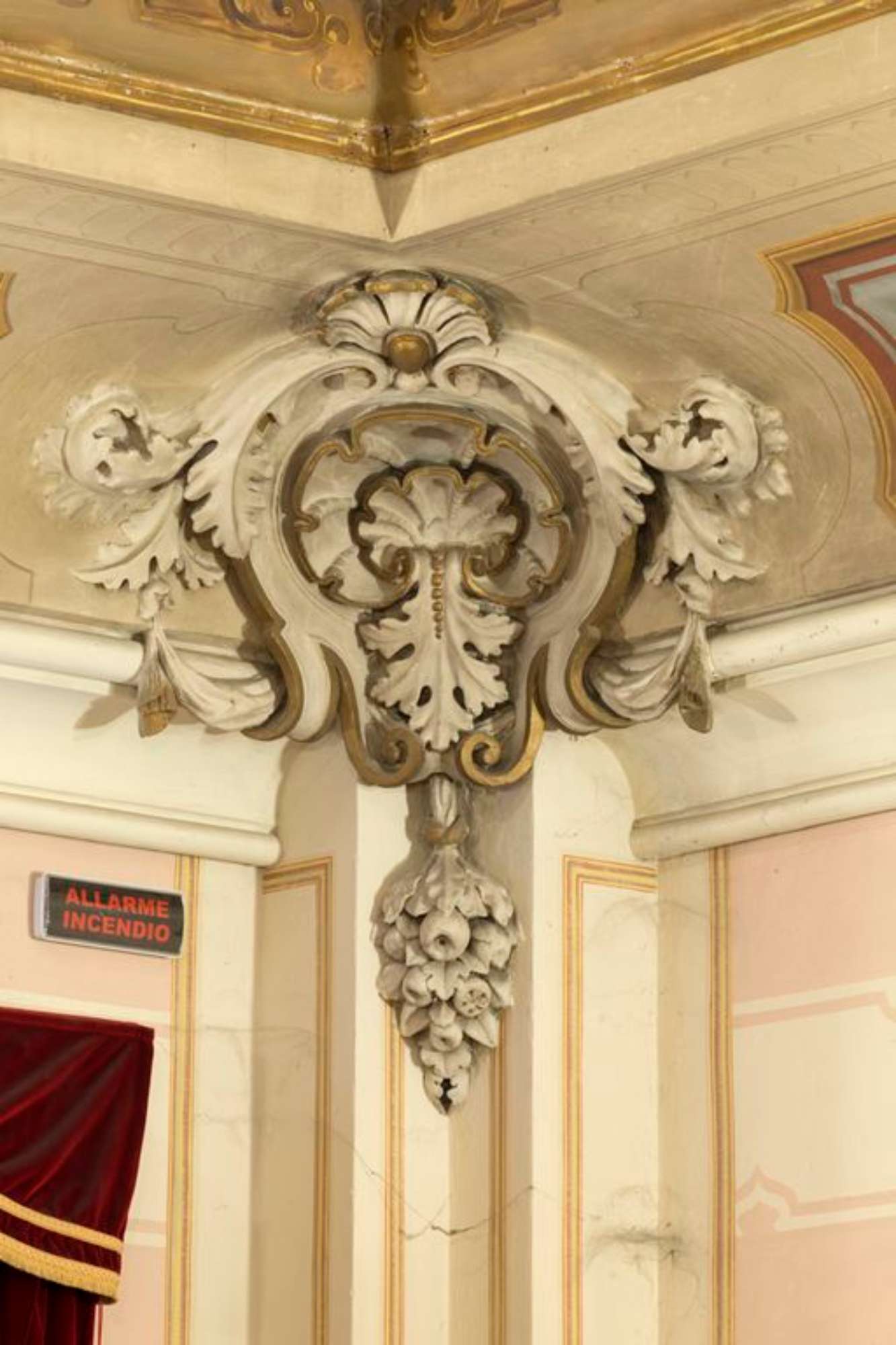
Bologna, Teatro A. Guardassoni, Collegio S. Luigi, particolare della decorazione (foto Andrea Scardova, IBC) 2017
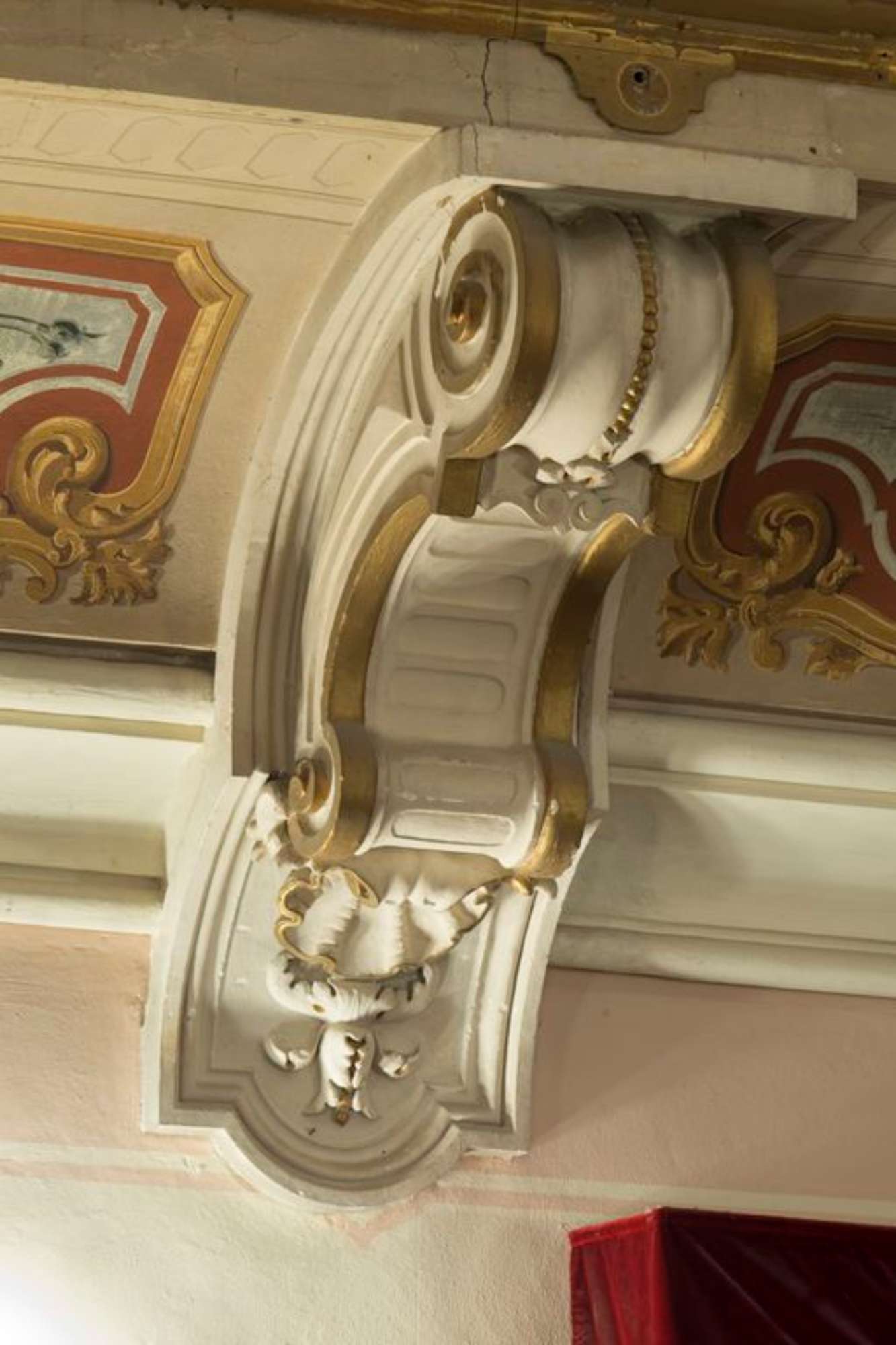
Bologna, Teatro A. Guardassoni, Collegio S. Luigi, particolare della decorazione (foto Andrea Scardova, IBC) 2017
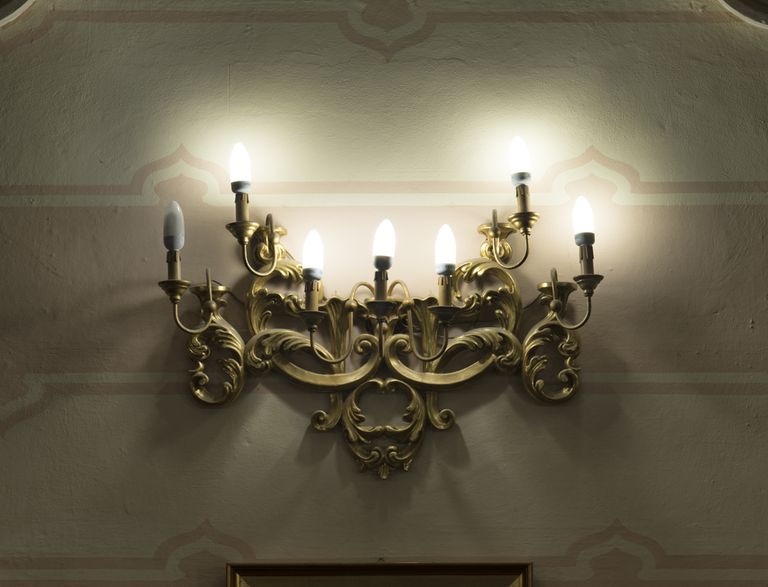
Bologna, Teatro A. Guardassoni, Collegio S. Luigi, particolare (foto Andrea Scardova, IBC) 2017
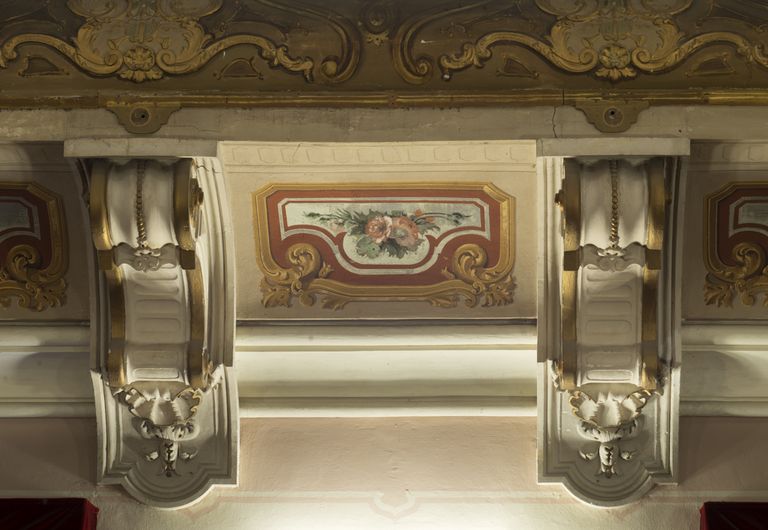
Bologna, Teatro A. Guardassoni, Collegio S. Luigi, particolare della decorazione (foto Andrea Scardova, IBC) 2017
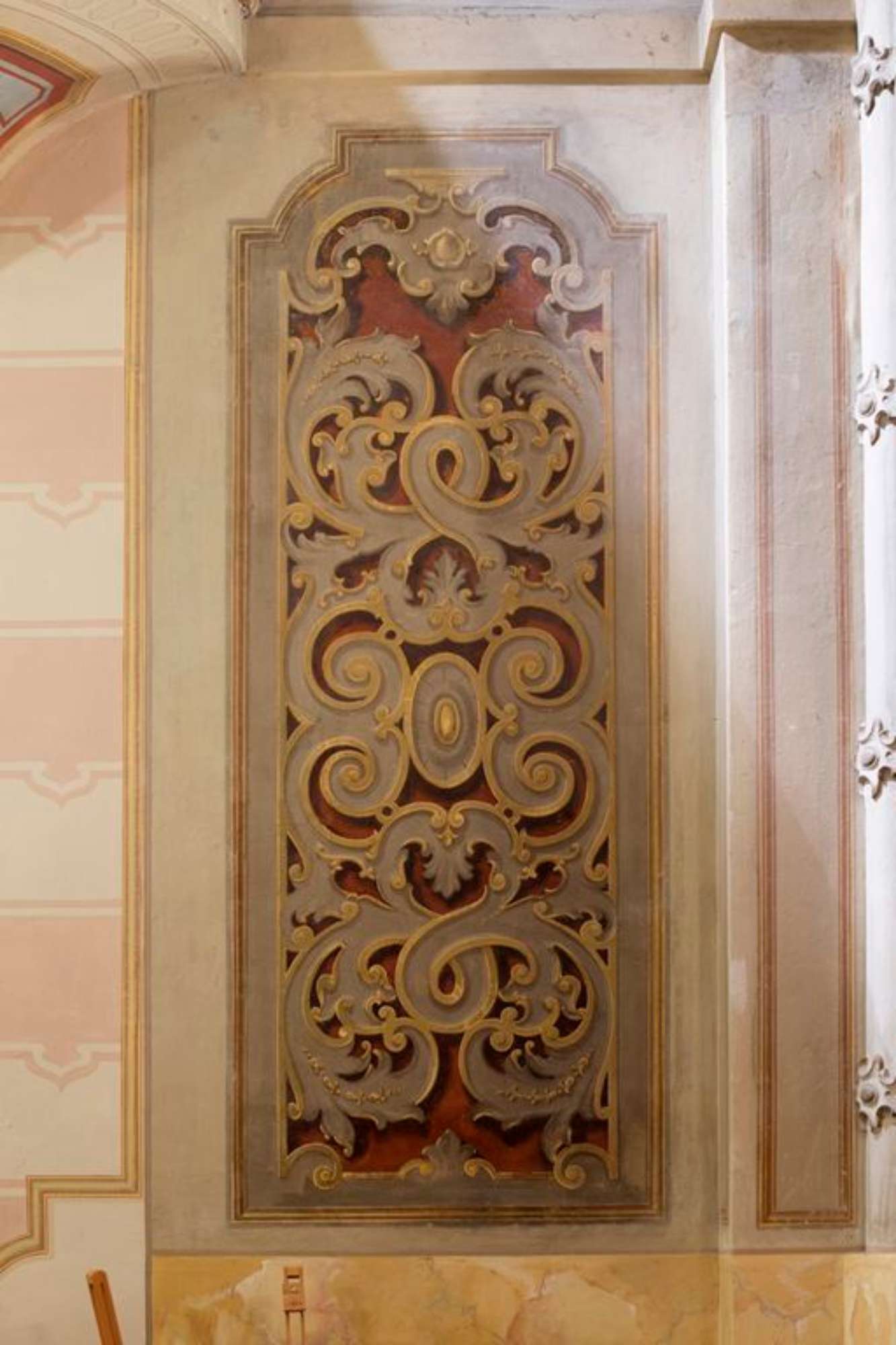
Bologna, Teatro A. Guardassoni, Collegio S. Luigi, particolare della decorazione (foto Andrea Scardova, IBC) 2017
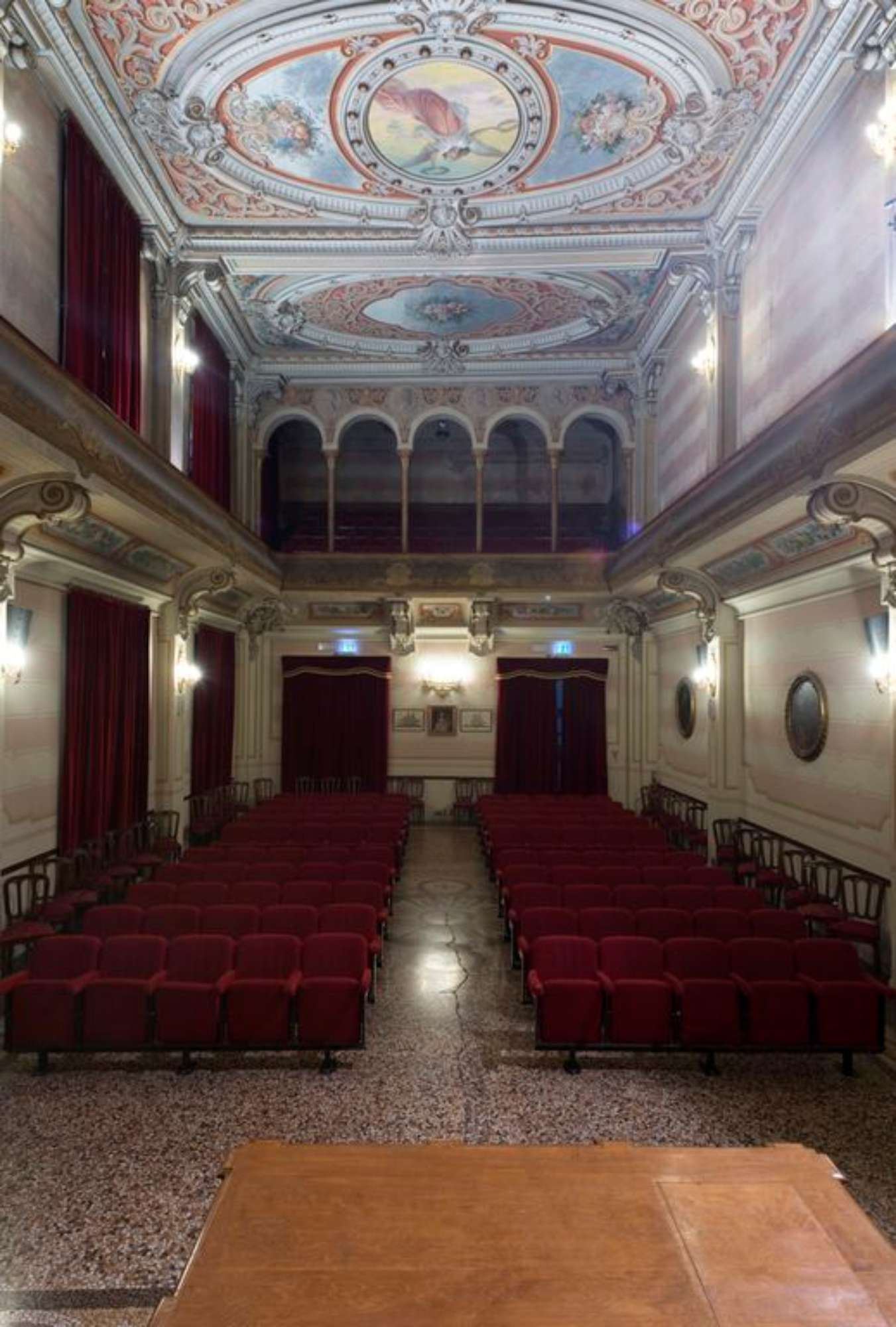
Bologna, Teatro A. Guardassoni, Collegio S. Luigi, la sala vista dal palcoscenico (foto Andrea Scardova, IBC) 2017
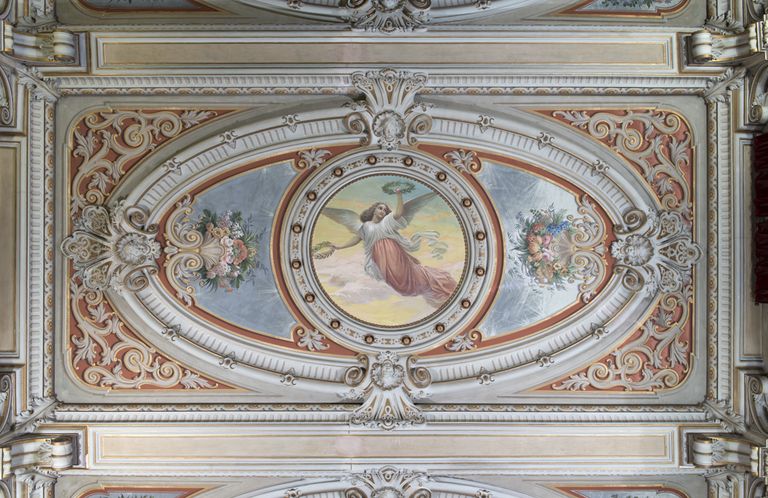
Bologna, Teatro A. Guardassoni, Collegio S. Luigi, particolare della decorazione del soffitto con l'allegoria della Fama (foto Andrea Scardova, IBC) 2017
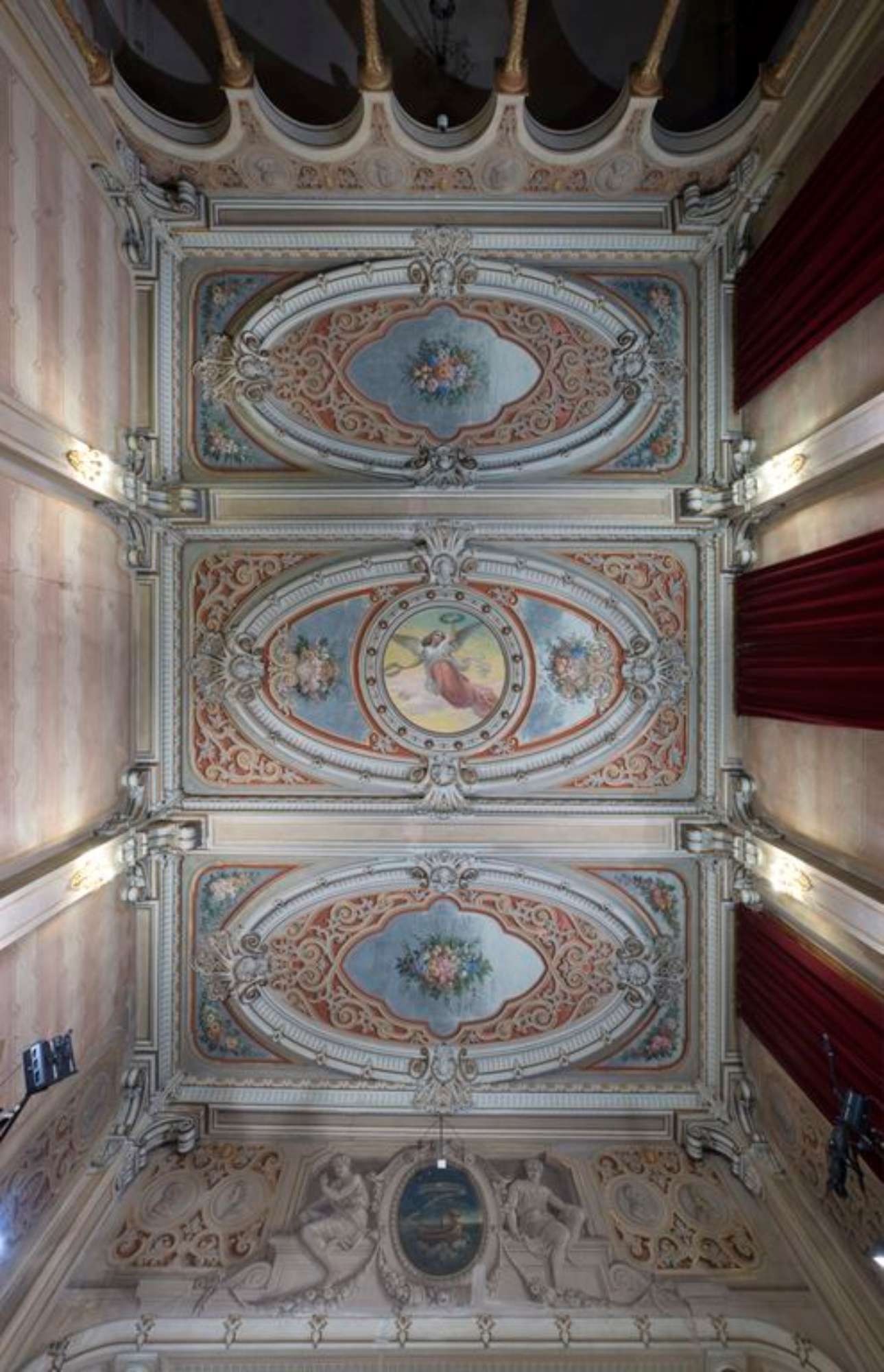
Bologna, Teatro A. Guardassoni, Collegio S. Luigi, particolare della decorazione del soffitto (foto Andrea Scardova, IBC) 2017
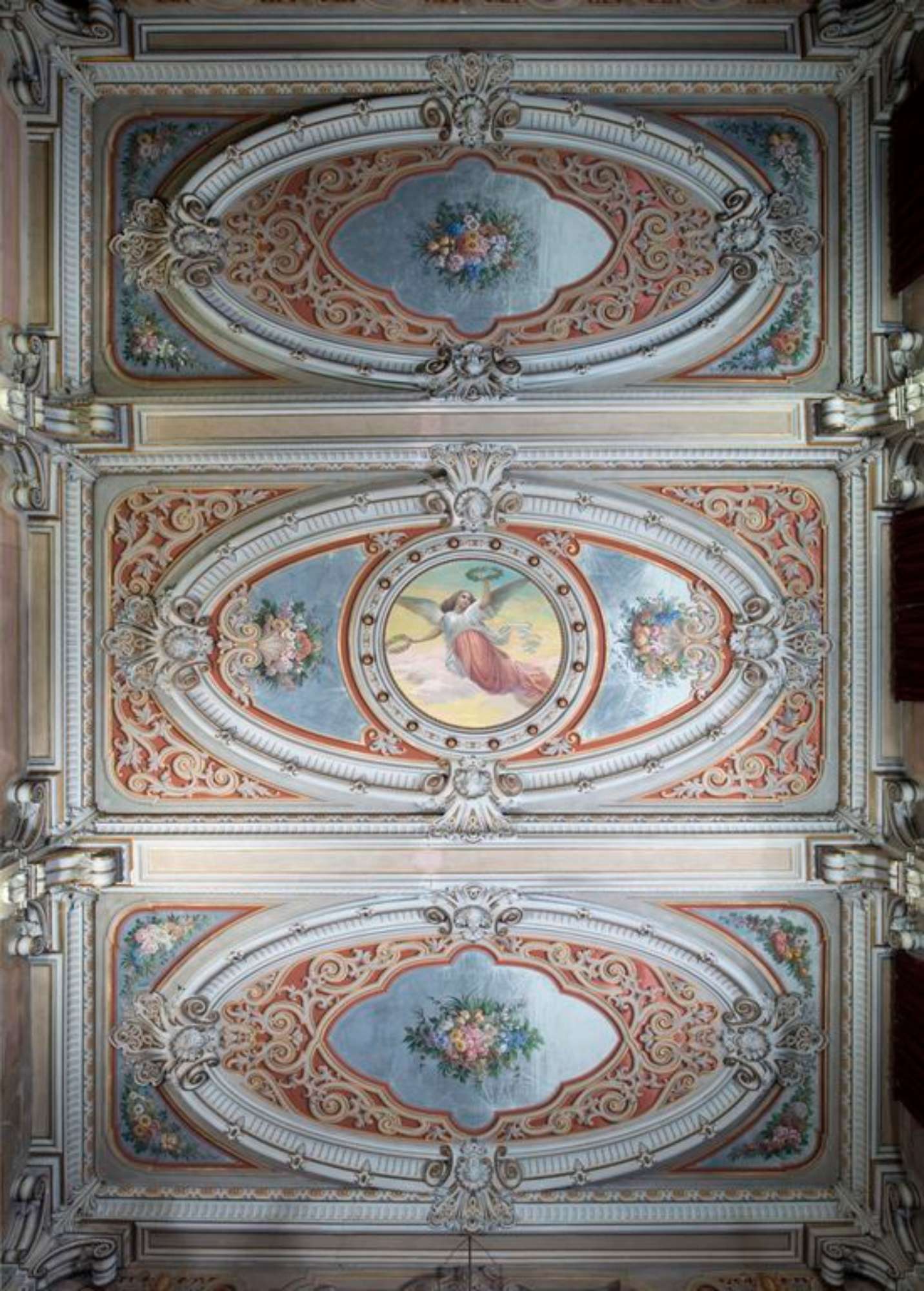
Bologna, Teatro A. Guardassoni, Collegio S. Luigi, particolare della decorazione del soffitto (foto Andrea Scardova, IBC) 2017
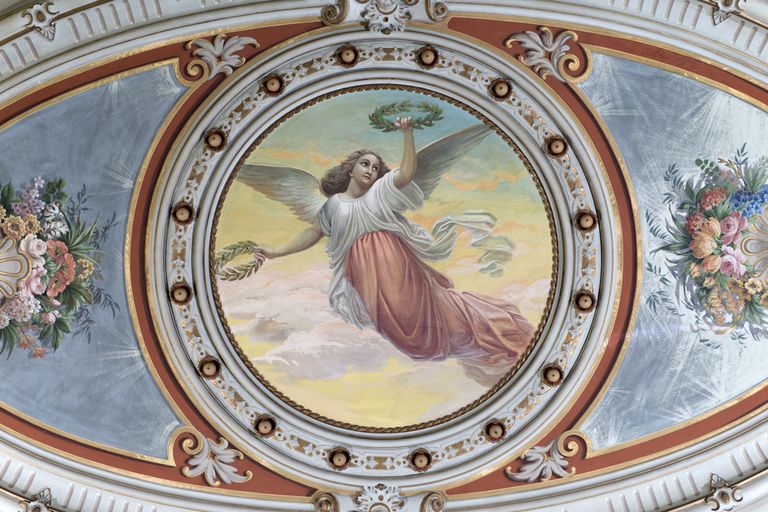
Bologna, Teatro A. Guardassoni, Collegio S. Luigi, particolare della decorazione del soffitto con l'allegoria della Fama (foto Andrea Scardova, IBC) 2017
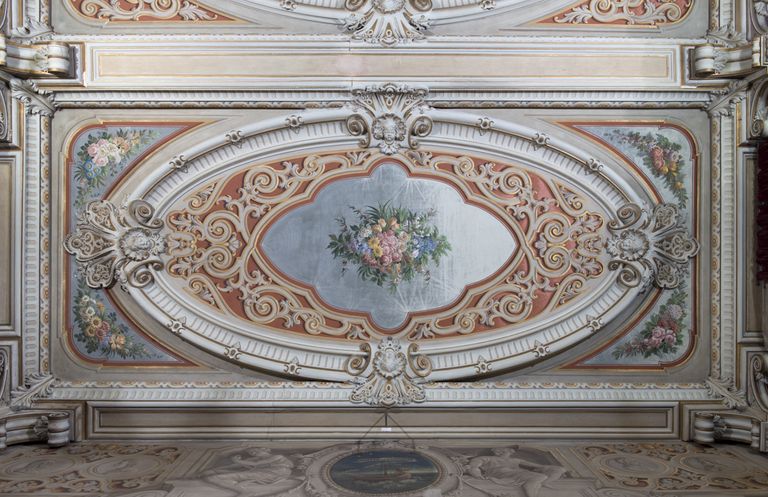
Bologna, Teatro A. Guardassoni, Collegio S. Luigi, particolare della decorazione del soffitto (foto Andrea Scardova, IBC) 2017
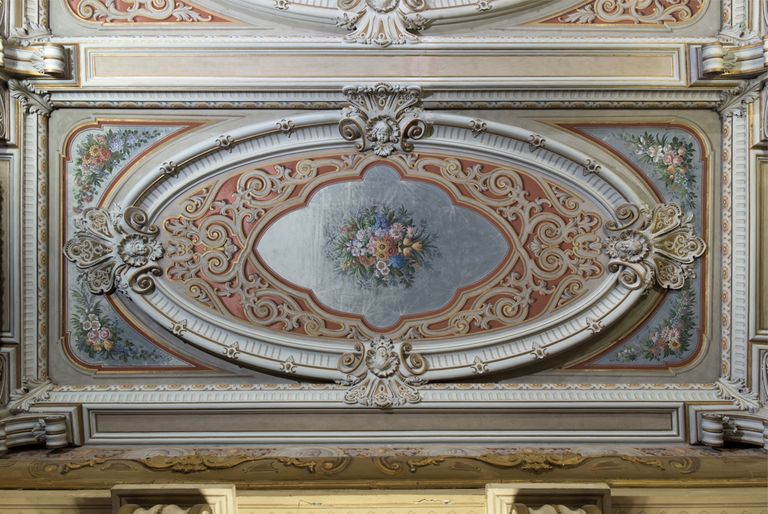
Bologna, Teatro A. Guardassoni, Collegio S. Luigi, particolare della decorazione del soffitto (foto Andrea Scardova, IBC) 2017
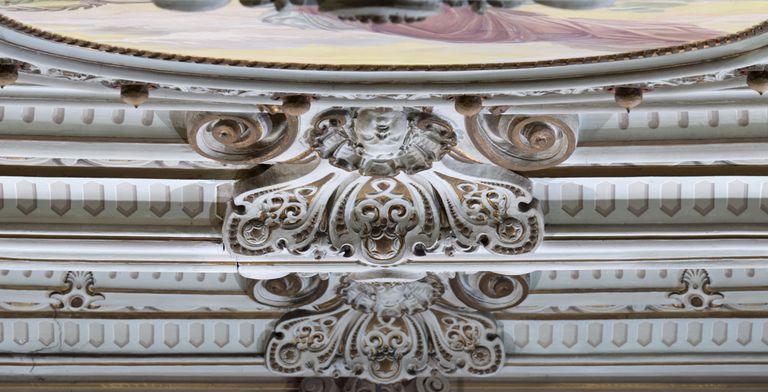
Bologna, Teatro A. Guardassoni, Collegio S. Luigi, particolare della decorazione del soffitto (foto Andrea Scardova, IBC) 2017
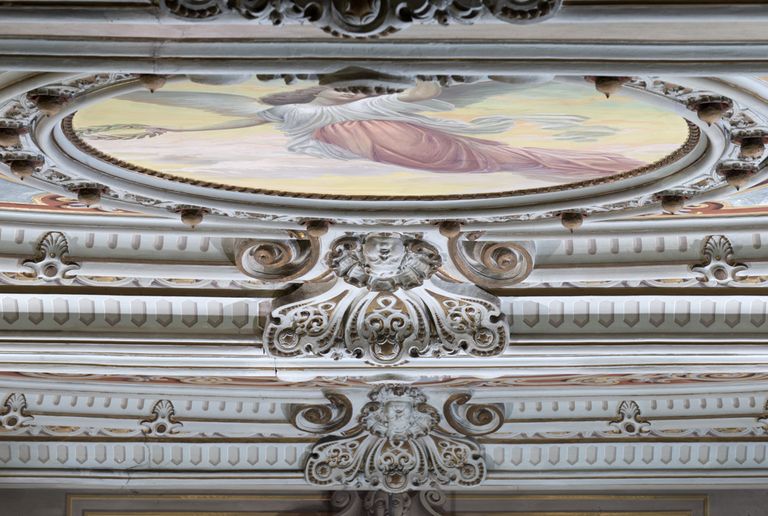
Bologna, Teatro A. Guardassoni, Collegio S. Luigi, particolare della decorazione del soffitto (foto Andrea Scardova, IBC) 2017
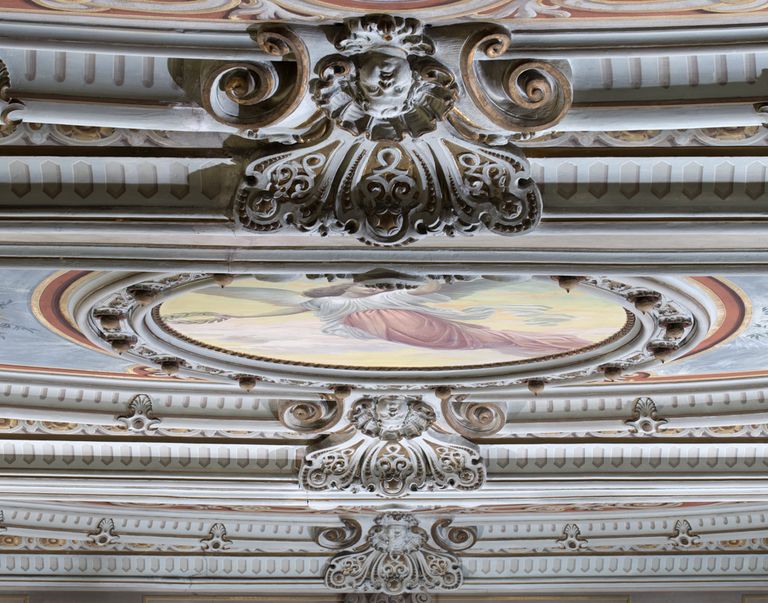
Bologna, Teatro A. Guardassoni, Collegio S. Luigi, particolare della decorazione del soffitto (foto Andrea Scardova, IBC) 2017
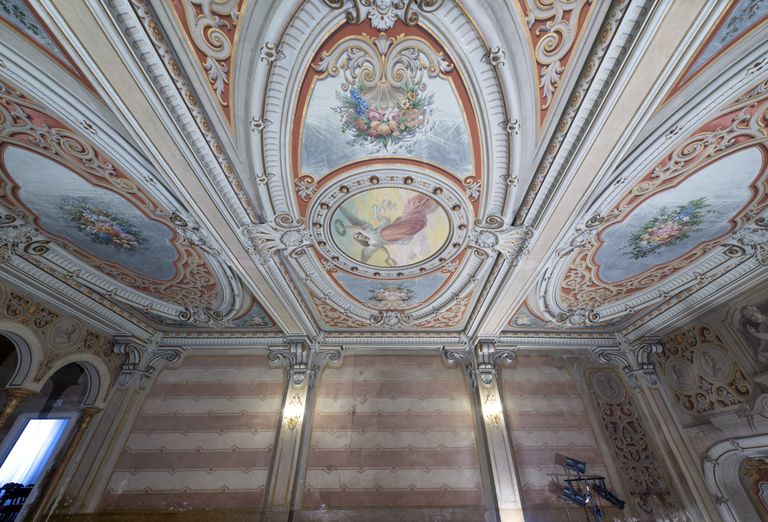
Bologna, Teatro A. Guardassoni, Collegio S. Luigi, la sala teatrale (foto Andrea Scardova, IBC) 2017
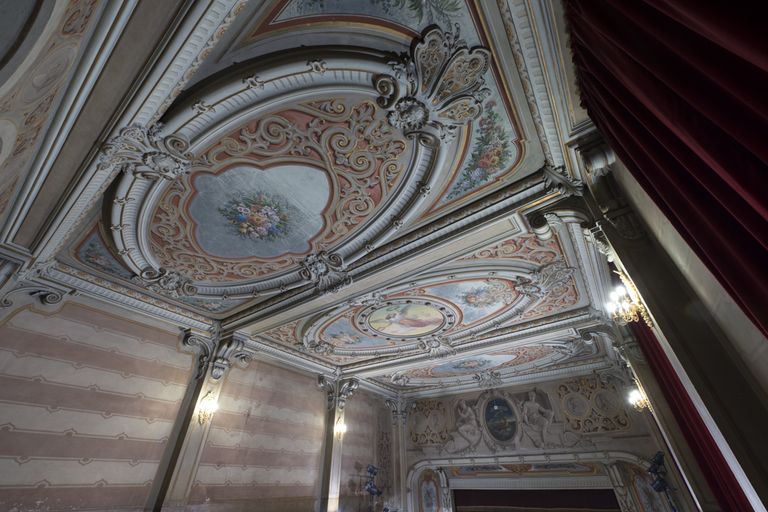
Bologna, Teatro A. Guardassoni, Collegio S. Luigi, la sala teatrale (foto Andrea Scardova, IBC) 2017
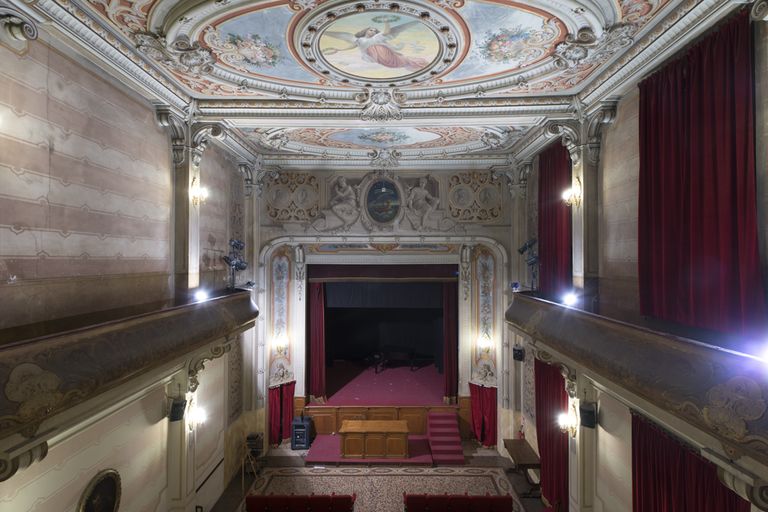
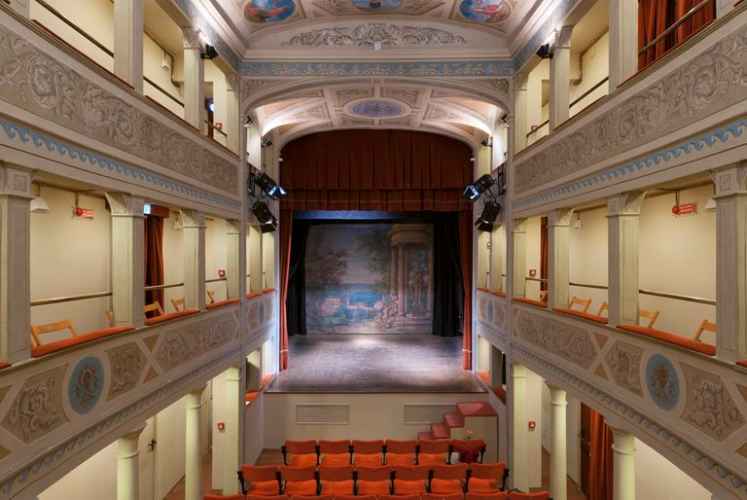
Bologna, Teatro A. Guardassoni, Collegio S. Luigi, la sala teatrale vista dalla loggia (foto Andrea Scardova, IBC) 2017
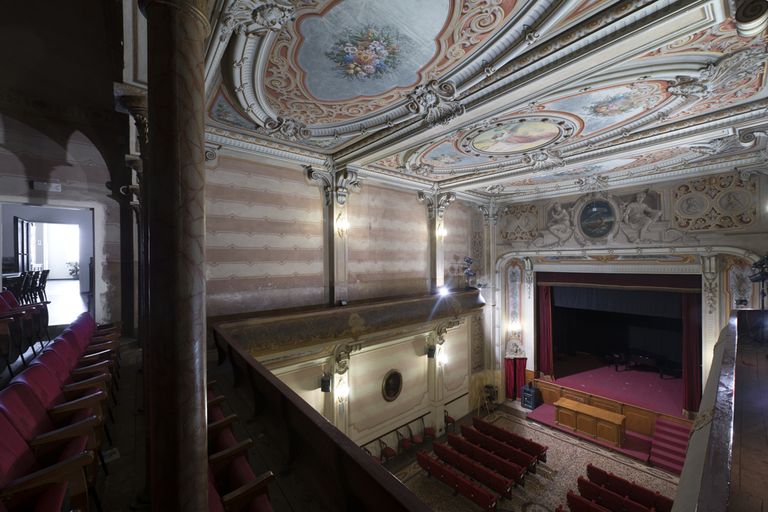
Bologna, Teatro A. Guardassoni, Collegio S. Luigi, la sala teatrale vista dalla loggia (foto Andrea Scardova, IBC) 2017
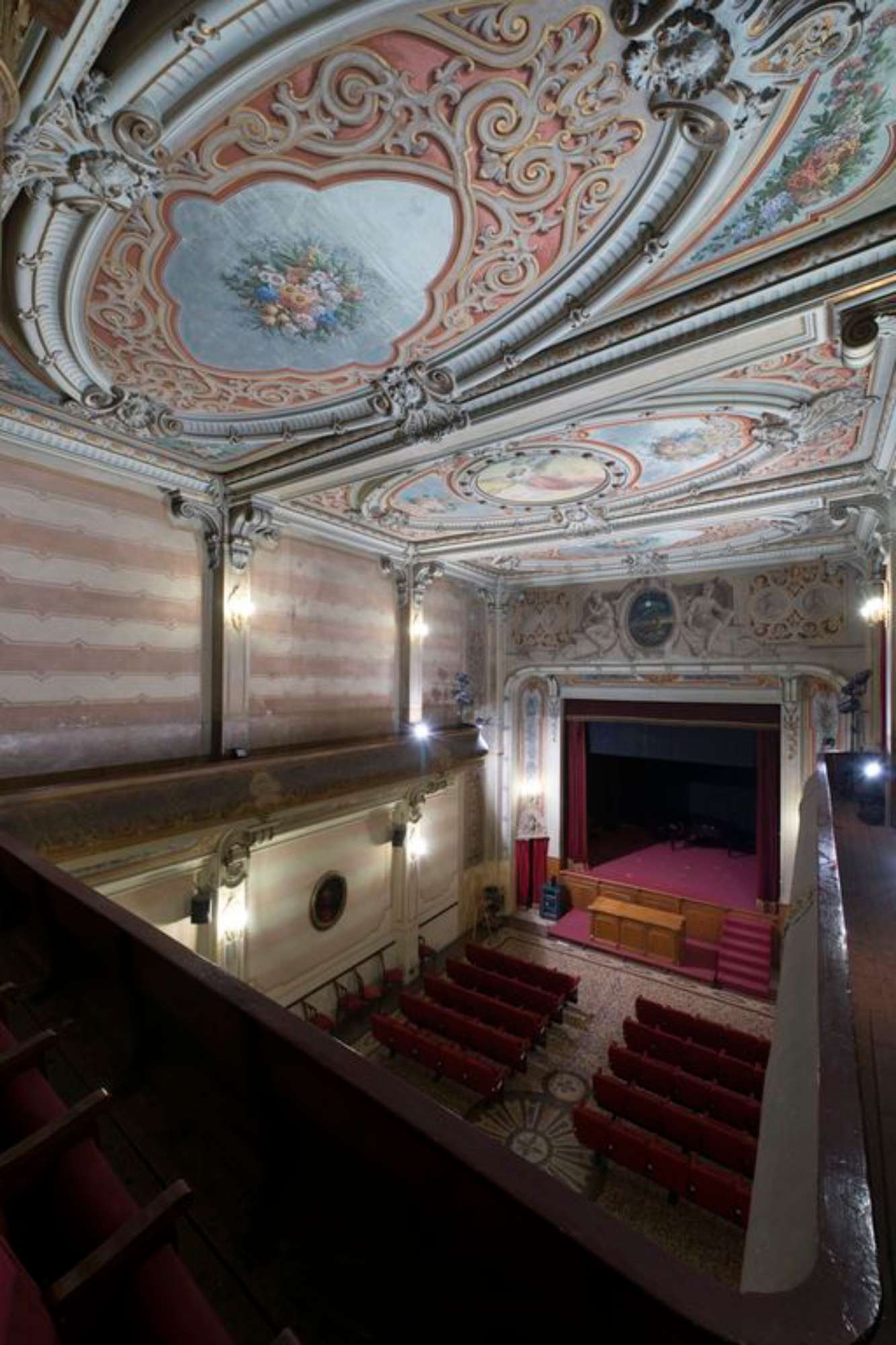
Bologna, Teatro A. Guardassoni, Collegio S. Luigi, la sala teatrale vista dalla loggia (foto Andrea Scardova, IBC) 2017
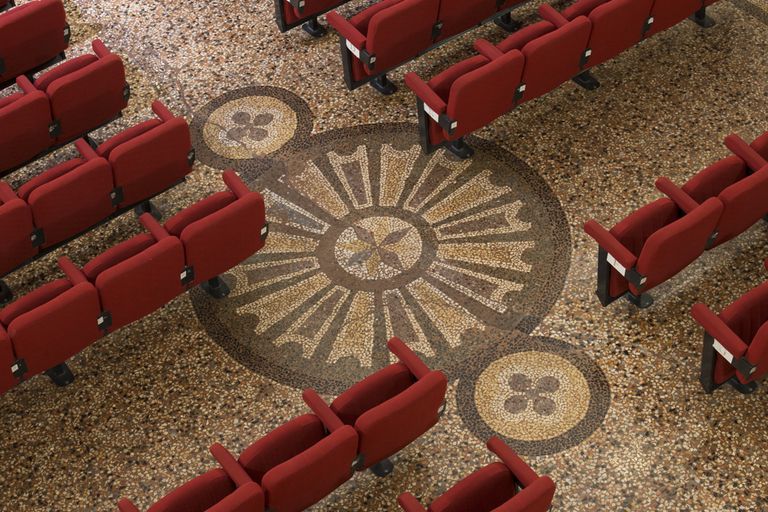
Bologna, Teatro A. Guardassoni, Collegio S. Luigi, particolare della sala teatrale (foto Andrea Scardova, IBC) 2017
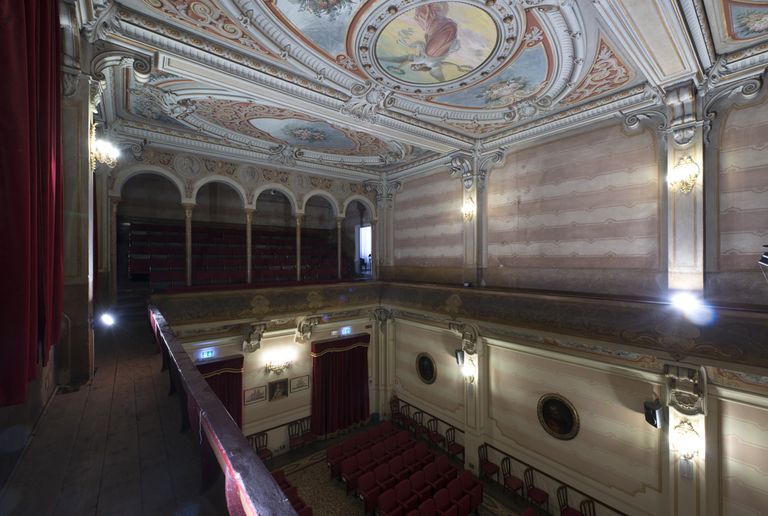
Bologna, Teatro A. Guardassoni, Collegio S. Luigi, la sala teatrale vista dalla loggia (foto Andrea Scardova, IBC) 2017
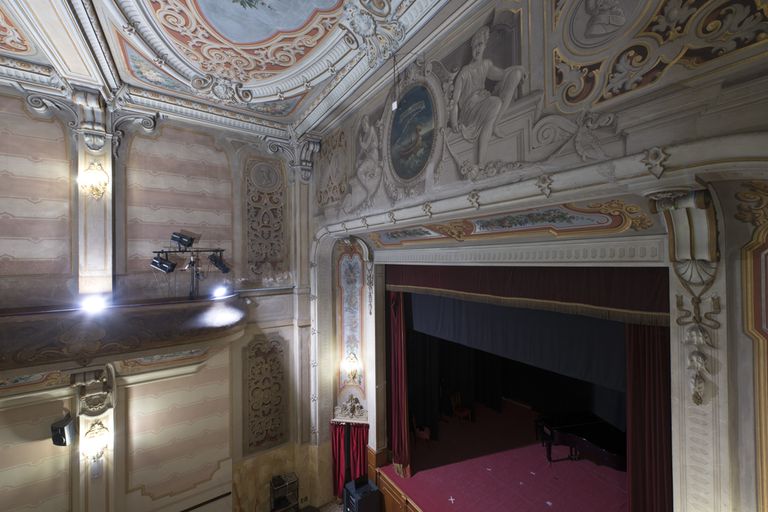
Bologna, Teatro A. Guardassoni, Collegio S. Luigi, la sala teatrale vista dalla loggia (foto Andrea Scardova, IBC) 2017
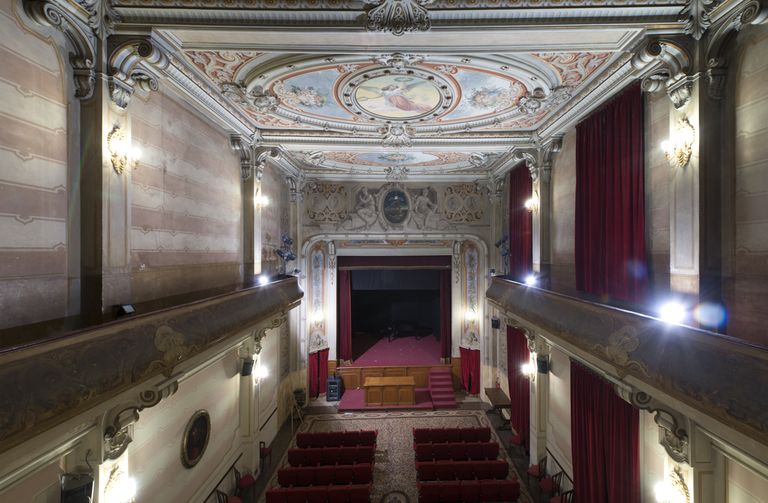
Bologna, Teatro A. Guardassoni, Collegio S. Luigi, la sala teatrale vista dalla loggia (foto Andrea Scardova, IBC) 2017
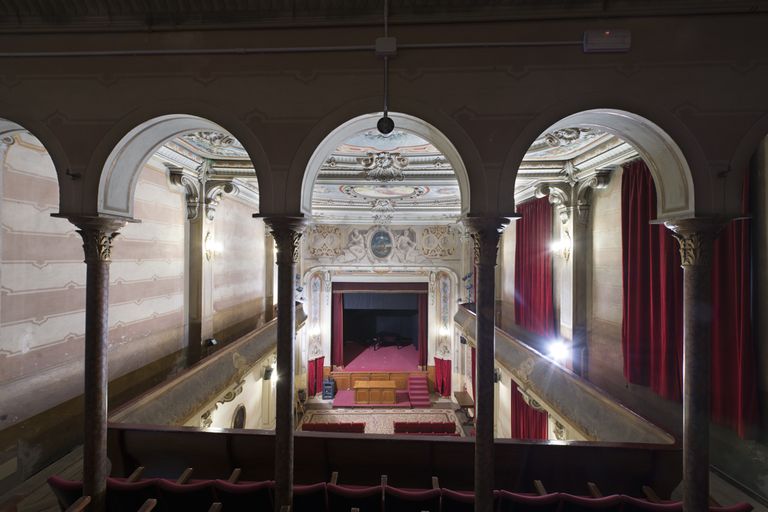
Bologna, Teatro A. Guardassoni, Collegio S. Luigi, la sala teatrale vista dalla loggia (foto Andrea Scardova, IBC) 2017
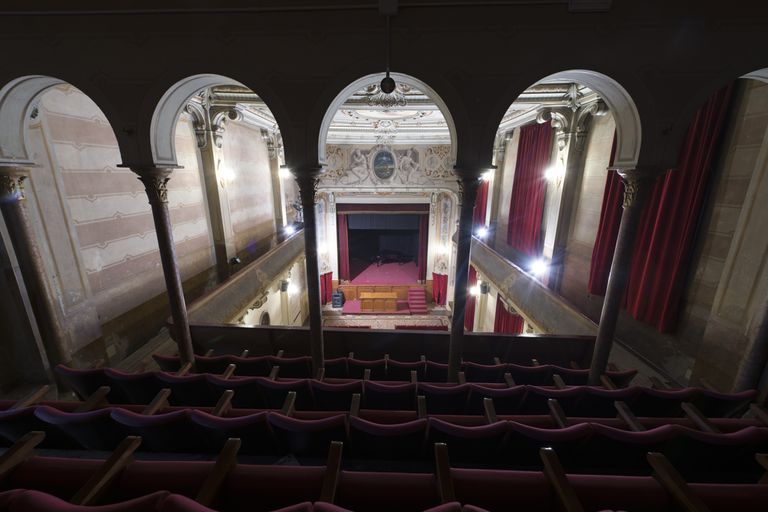
Bologna, Teatro A. Guardassoni, Collegio S. Luigi, la sala teatrale vista dalla loggia (foto Andrea Scardova, IBC) 2017
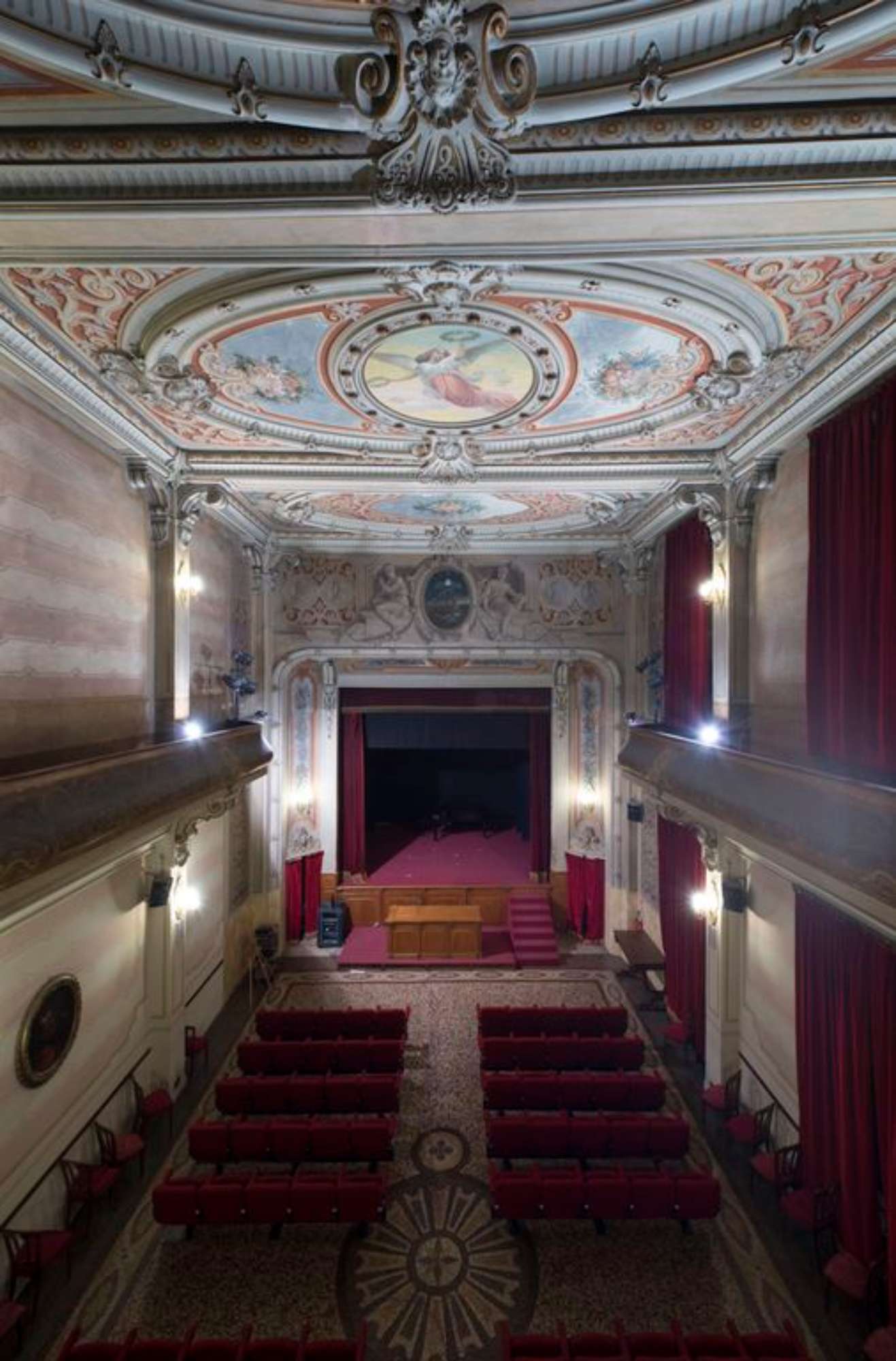
Bologna, Teatro A. Guardassoni, Collegio S. Luigi, la sala teatrale vista dalla loggia (foto Andrea Scardova, IBC) 2017
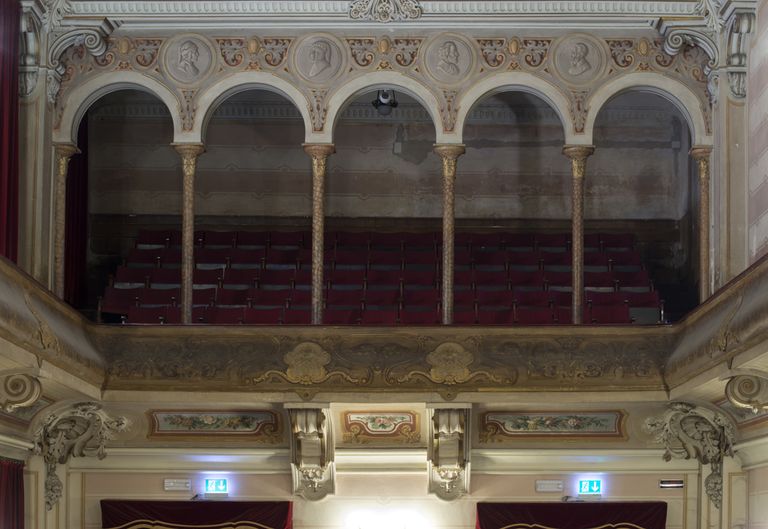
Bologna, Teatro A. Guardassoni, Collegio S. Luigi, particolare della loggia (foto Andrea Scardova, IBC) 2017
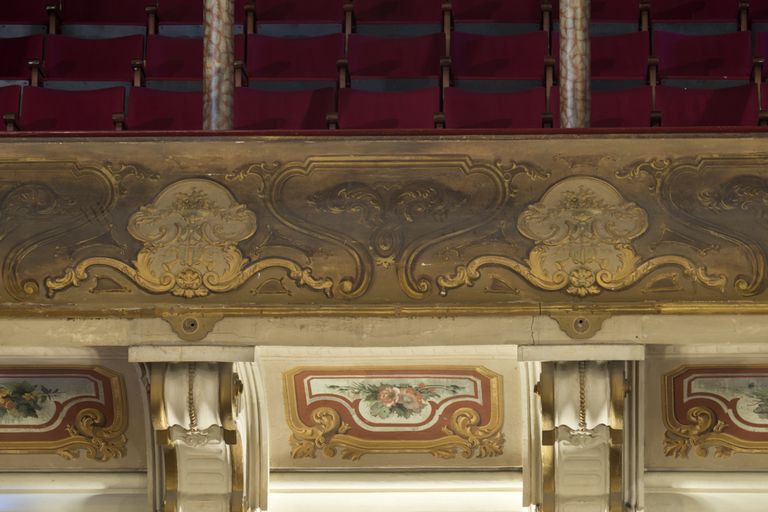
Bologna, Teatro A. Guardassoni, Collegio S. Luigi, particolare della loggia (foto Andrea Scardova, IBC) 2017
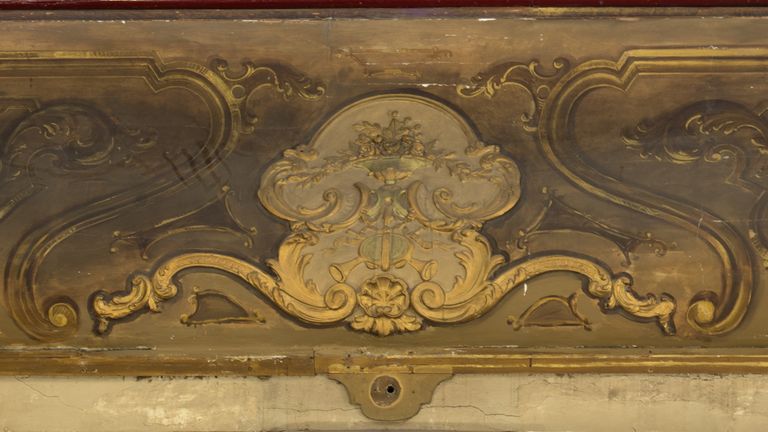
Bologna, Teatro A. Guardassoni, Collegio S. Luigi, particolare della balconata (foto Andrea Scardova, IBC) 2017
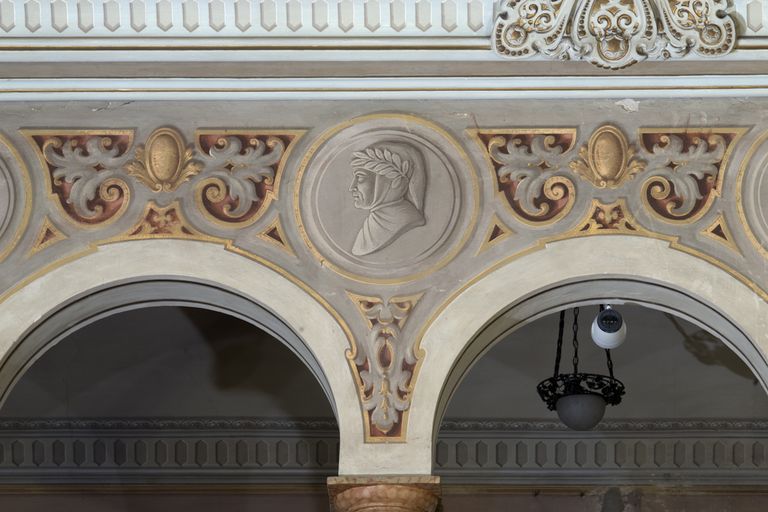
Bologna, Teatro A. Guardassoni, Collegio S. Luigi, particolare della loggia (foto Andrea Scardova, IBC) 2017
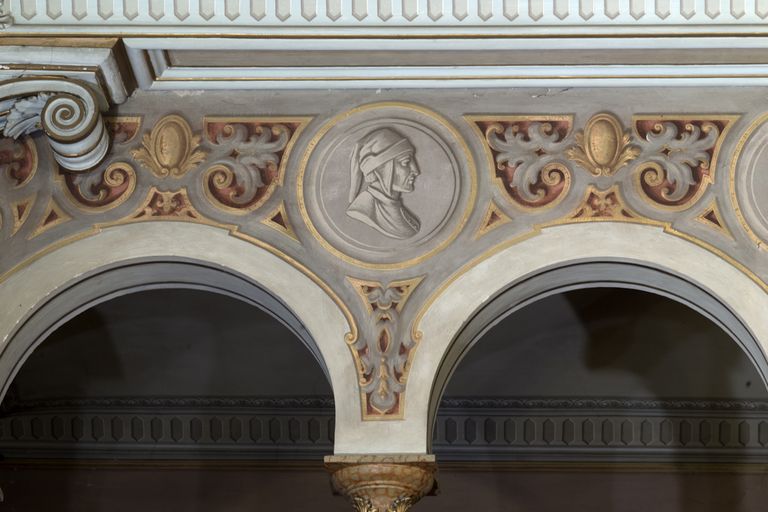
Bologna, Teatro A. Guardassoni, Collegio S. Luigi, particolare della loggia (foto Andrea Scardova, IBC) 2017
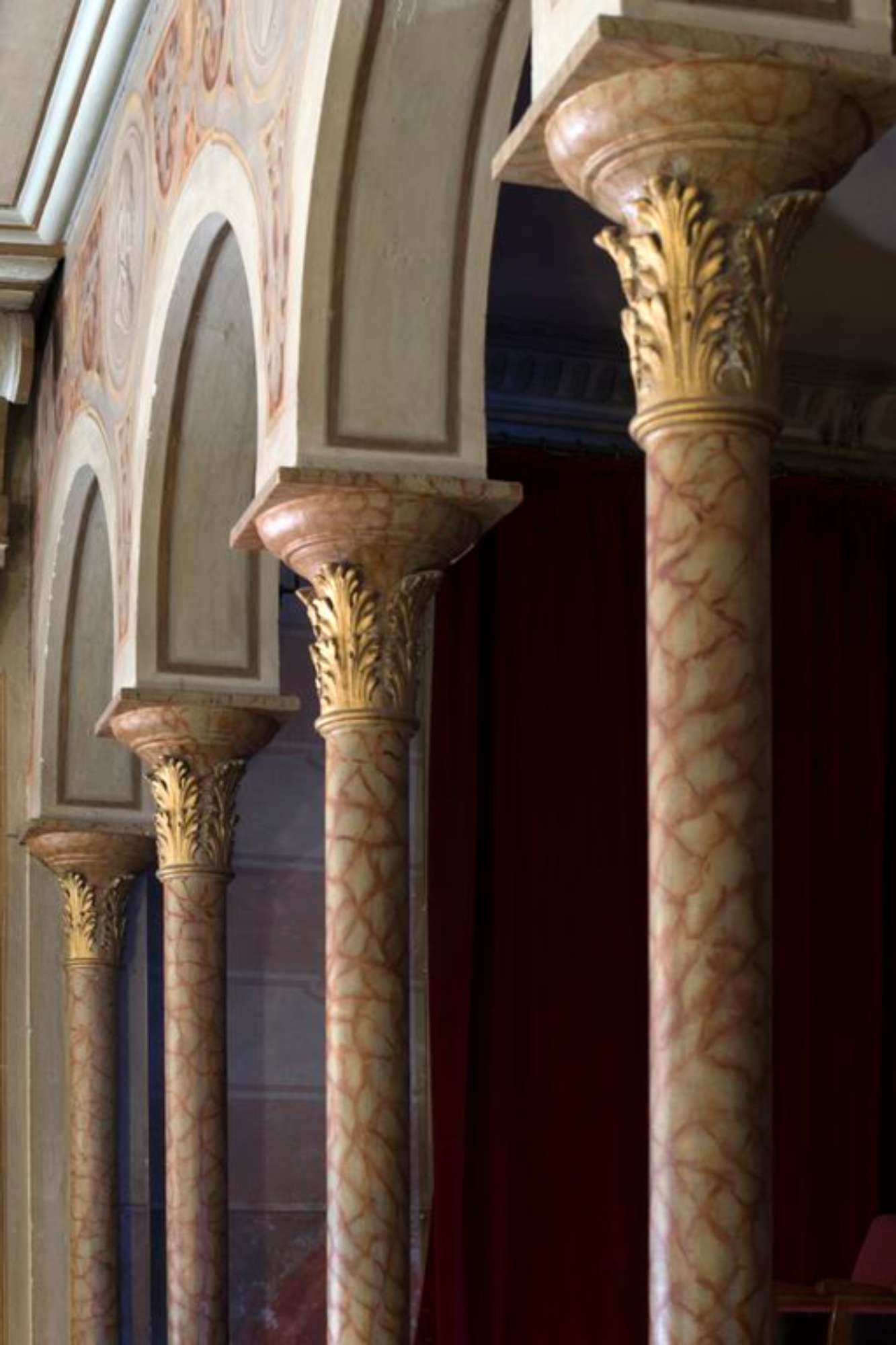
Bologna, Teatro A. Guardassoni, Collegio S. Luigi, particolare della loggia (foto Andrea Scardova, IBC) 2017
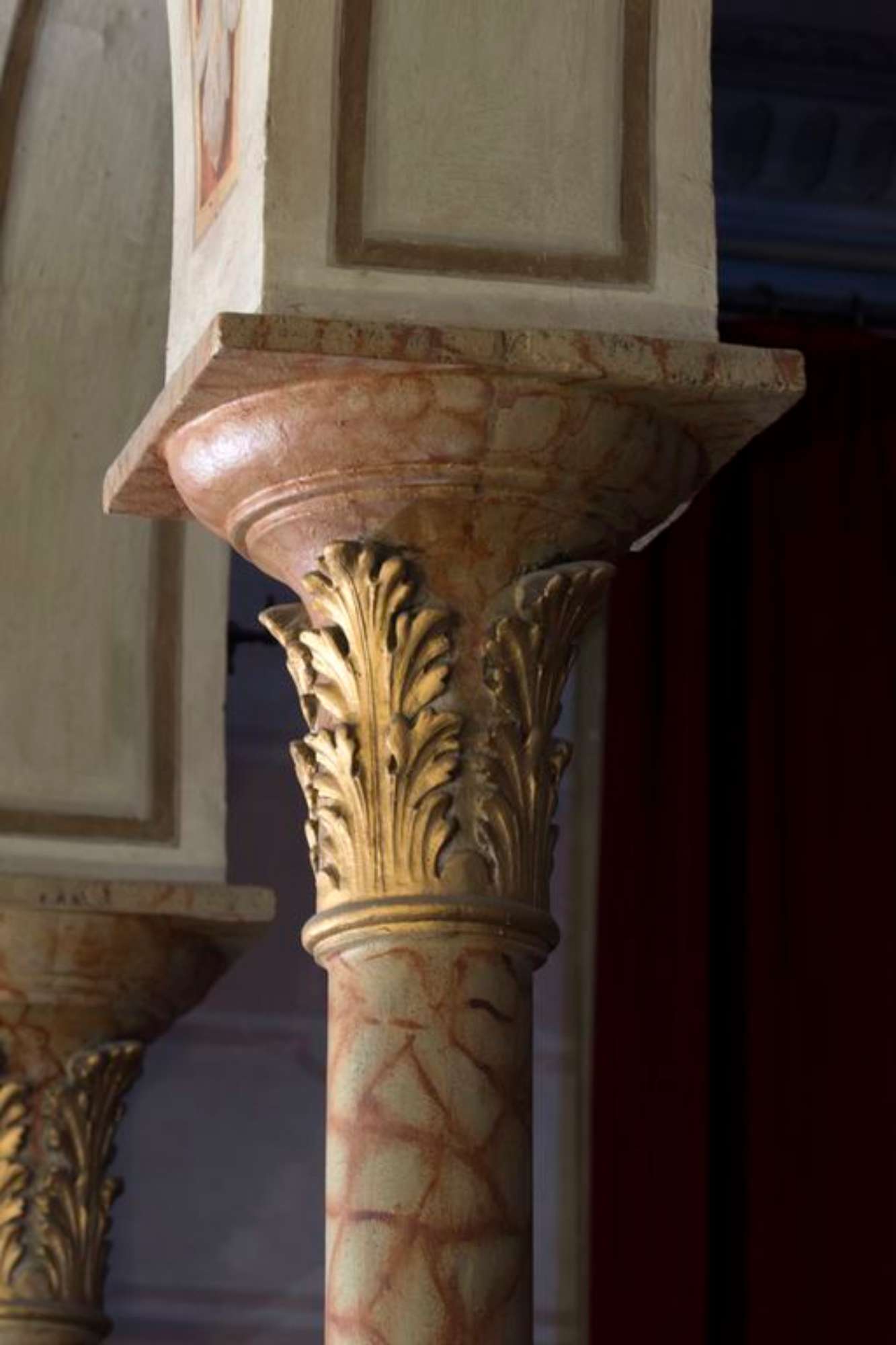
Bologna, Teatro A. Guardassoni, Collegio S. Luigi, particolare della loggia (foto Andrea Scardova, IBC) 2017
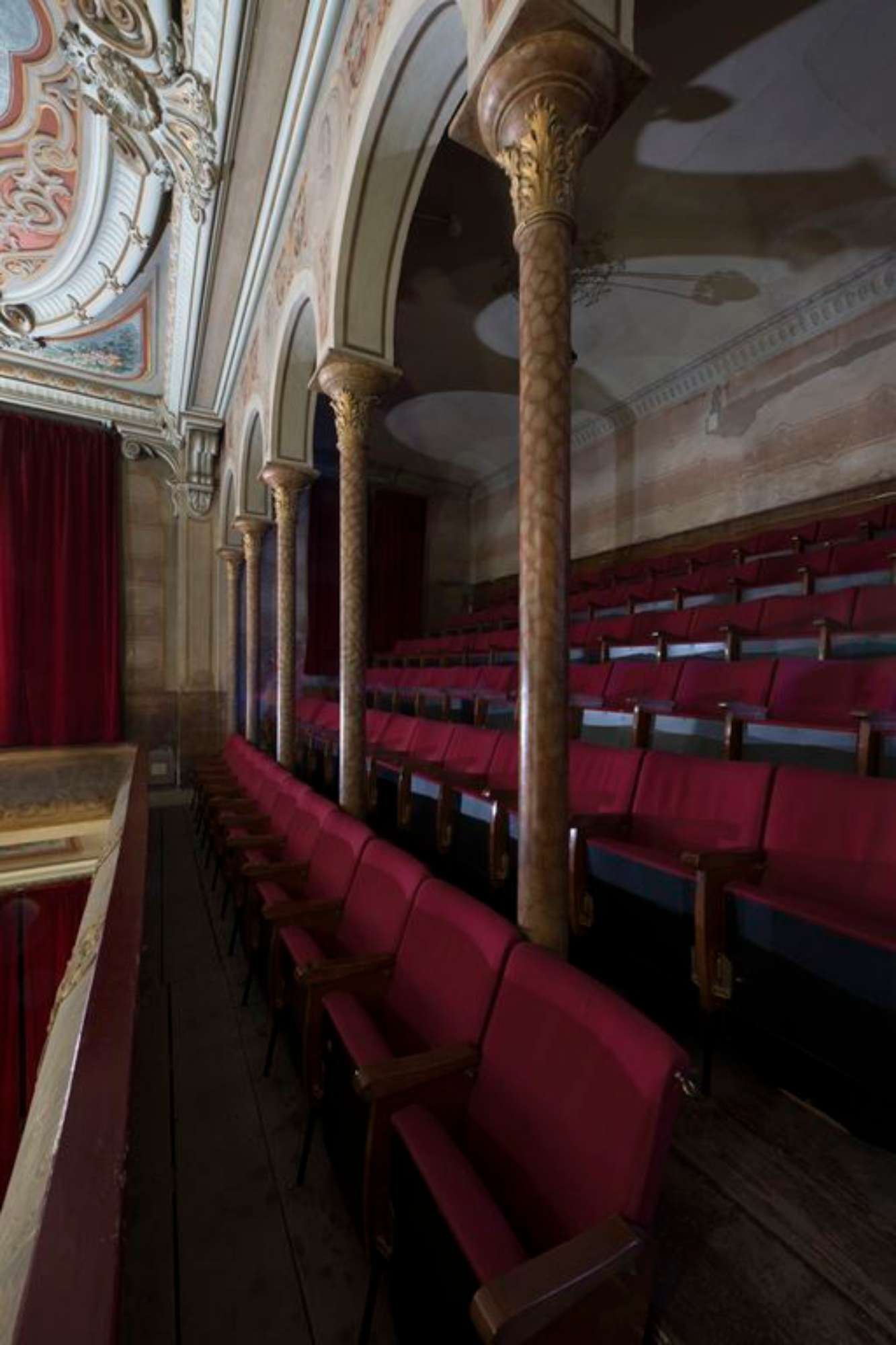
Bologna, Teatro A. Guardassoni, Collegio S. Luigi, particolare della loggia (foto Andrea Scardova, IBC) 2017
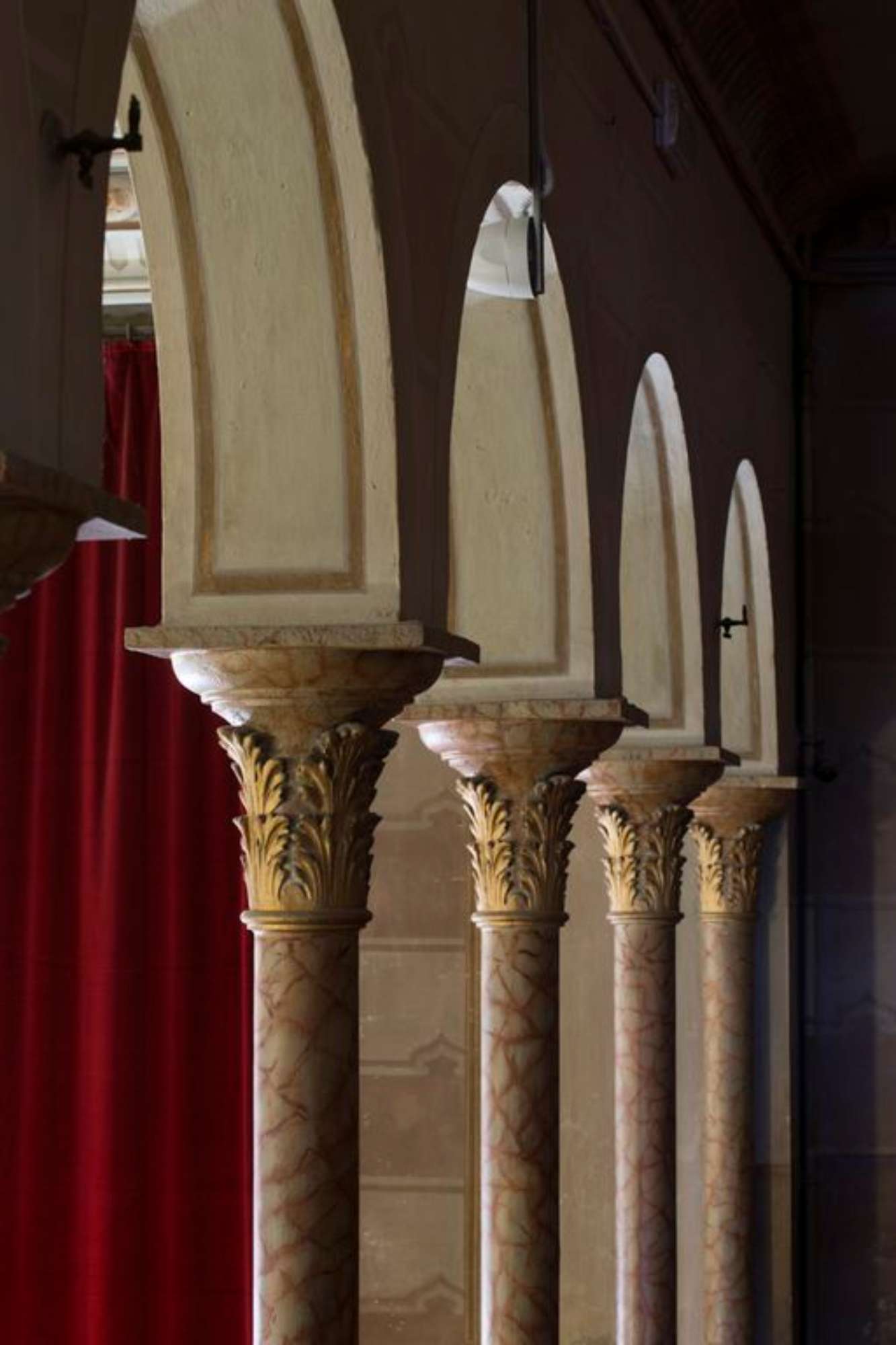
Bologna, Teatro A. Guardassoni, Collegio S. Luigi, particolare della loggia (foto Andrea Scardova, IBC) 2017
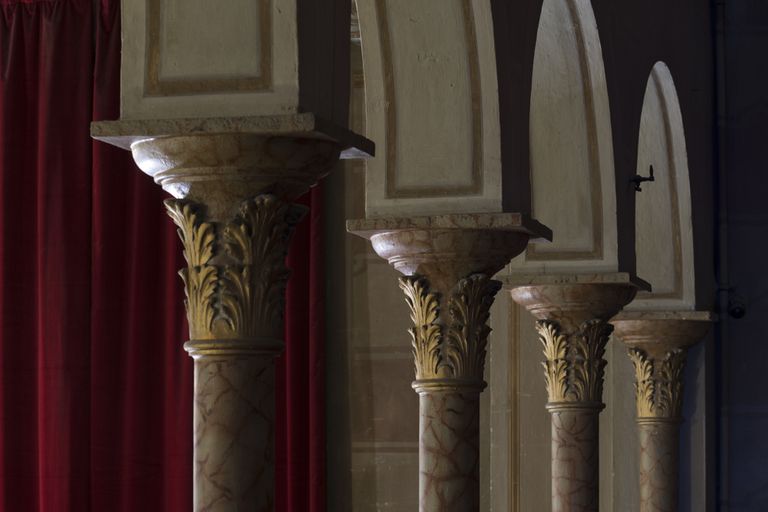
Bologna, Teatro A. Guardassoni, Collegio S. Luigi, particolare della loggia (foto Andrea Scardova, IBC) 2017
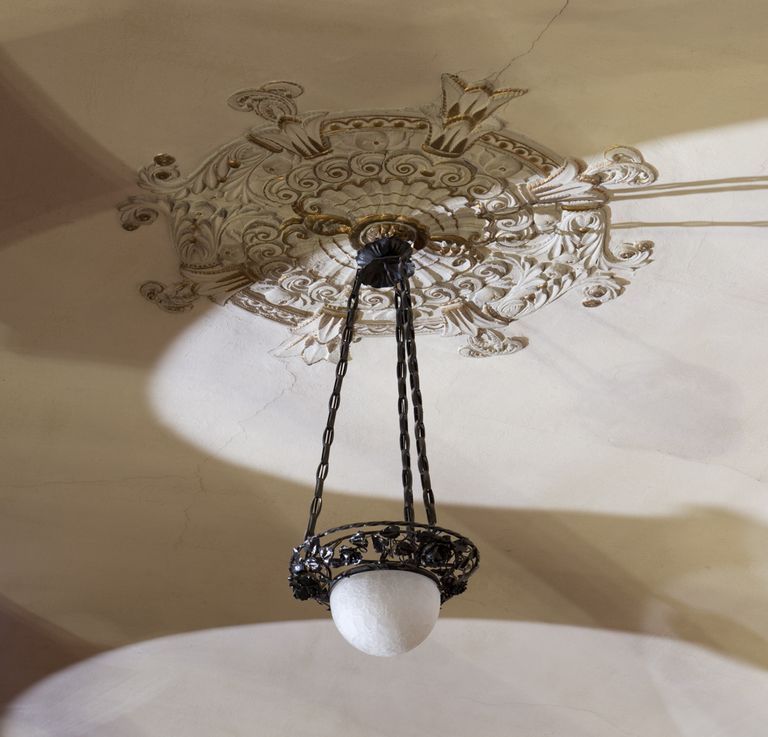
Bologna, Teatro A. Guardassoni, Collegio S. Luigi, particolare (foto Andrea Scardova, IBC) 2017
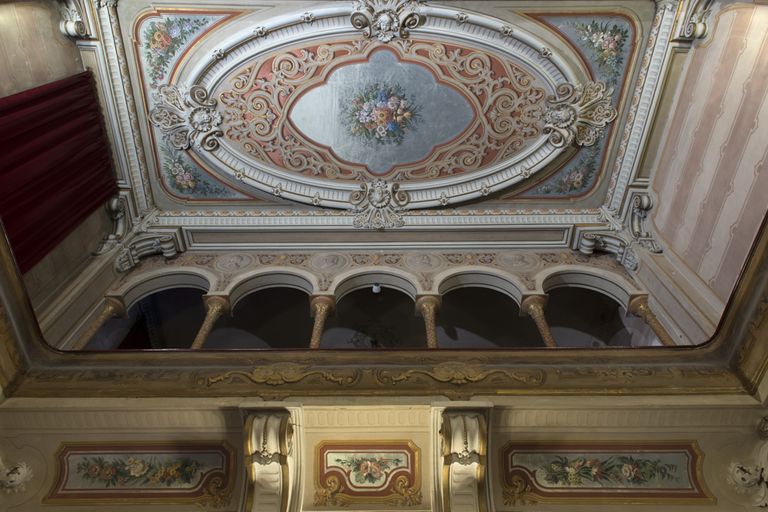
Bologna, Teatro A. Guardassoni, Collegio S. Luigi, particolare della sala teatrale (foto Andrea Scardova, IBC) 2017
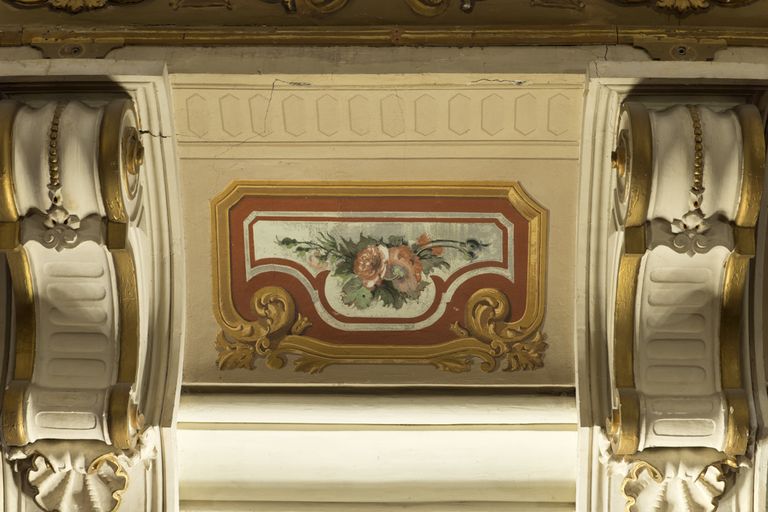
Bologna, Teatro A. Guardassoni, Collegio S. Luigi, particolare della decorazione (foto Andrea Scardova, IBC) 2017
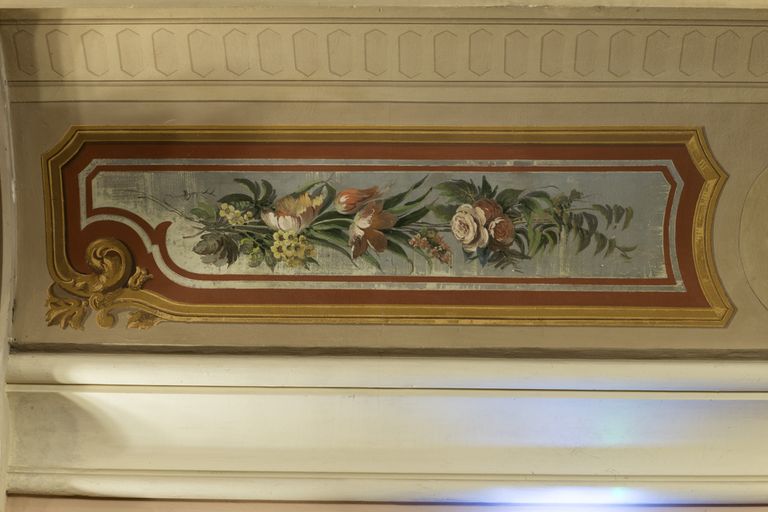
Bologna, Teatro A. Guardassoni, Collegio S. Luigi, particolare della decorazione (foto Andrea Scardova, IBC) 2017
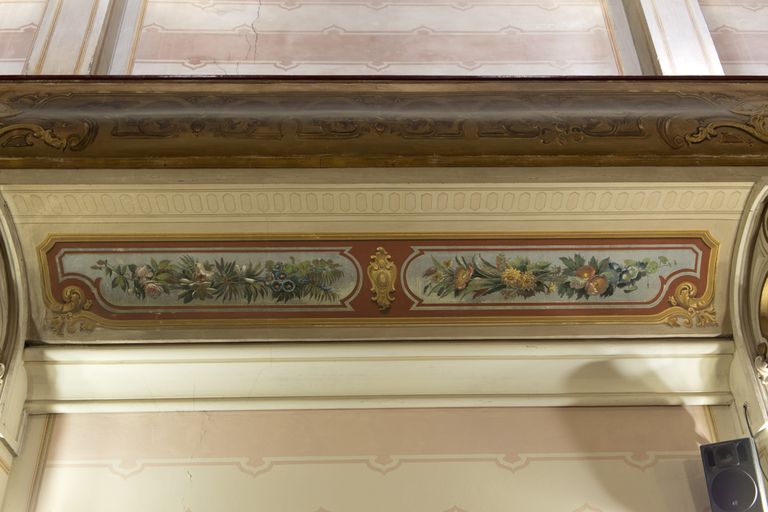
Bologna, Teatro A. Guardassoni, Collegio S. Luigi, particolare della decorazione (foto Andrea Scardova, IBC) 2017
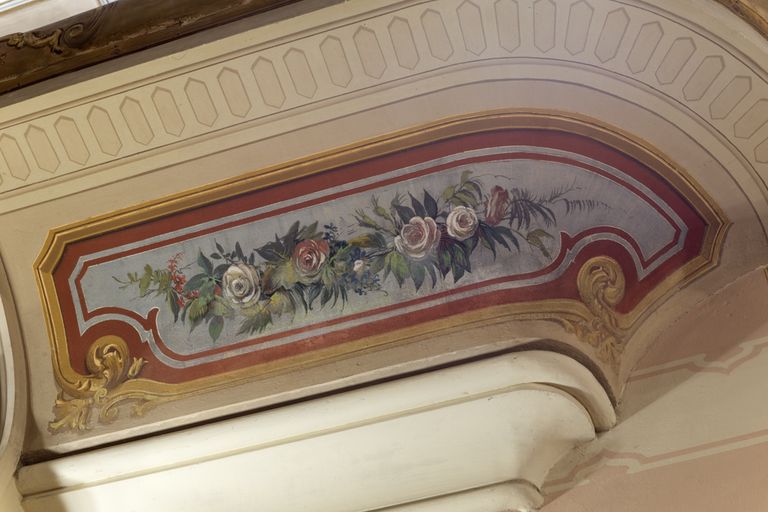
Bologna, Teatro A. Guardassoni, Collegio S. Luigi, particolare della decorazione (foto Andrea Scardova, IBC) 2017
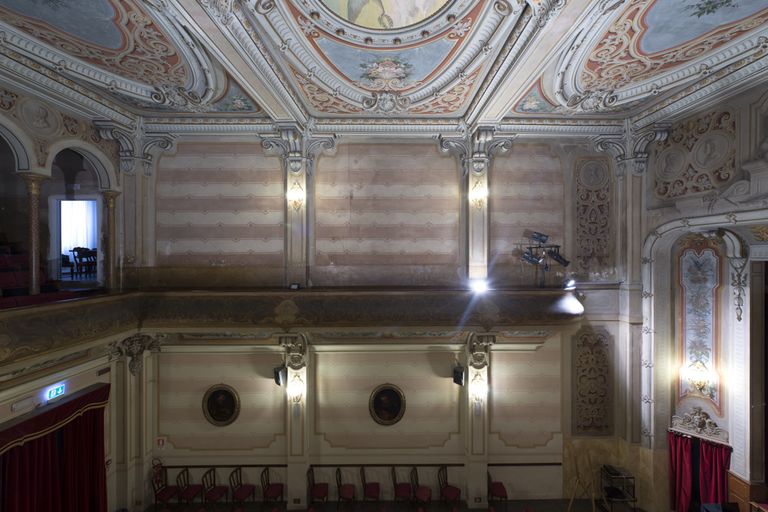
Bologna, Teatro A. Guardassoni, Collegio S. Luigi, la sala vista lateralmente (foto Andrea Scardova, IBC) 2017
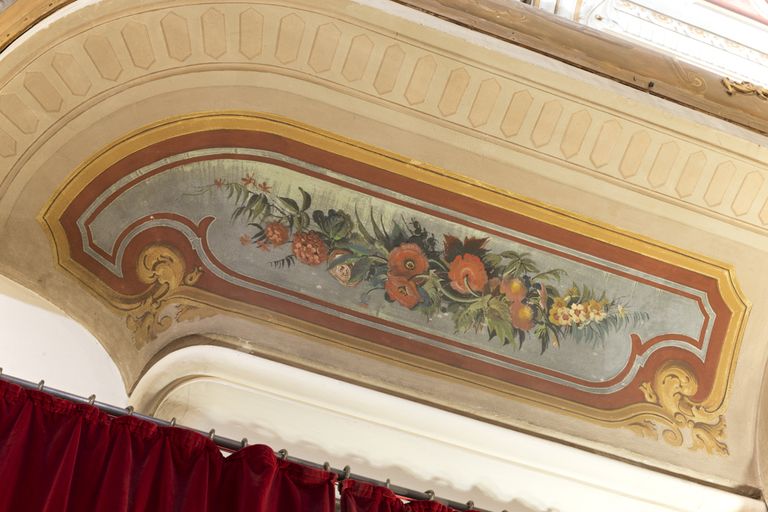
Bologna, Teatro A. Guardassoni, Collegio S. Luigi, particolare della decorazione (foto Andrea Scardova, IBC) 2017
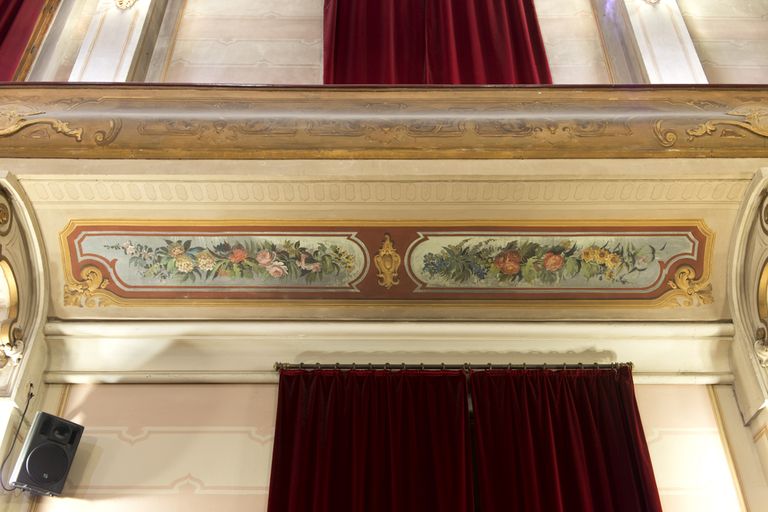
Bologna, Teatro A. Guardassoni, Collegio S. Luigi, particolare della decorazione (foto Andrea Scardova, IBC) 2017
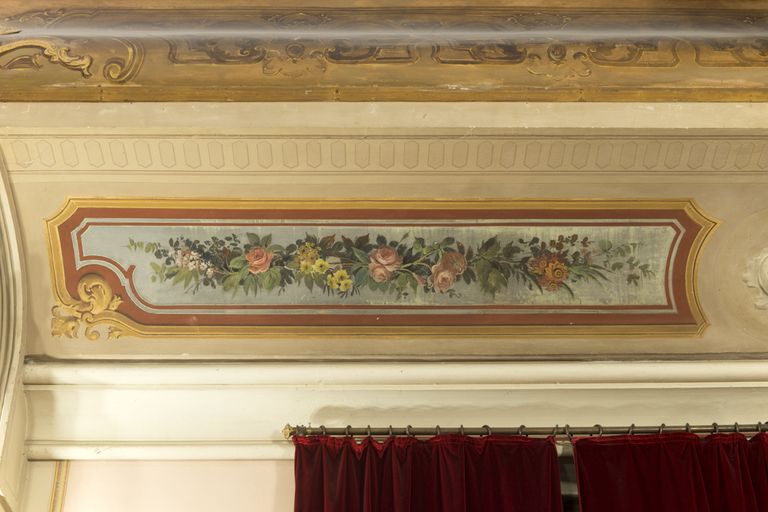
Bologna, Teatro A. Guardassoni, Collegio S. Luigi, particolare della decorazione (foto Andrea Scardova, IBC) 2017
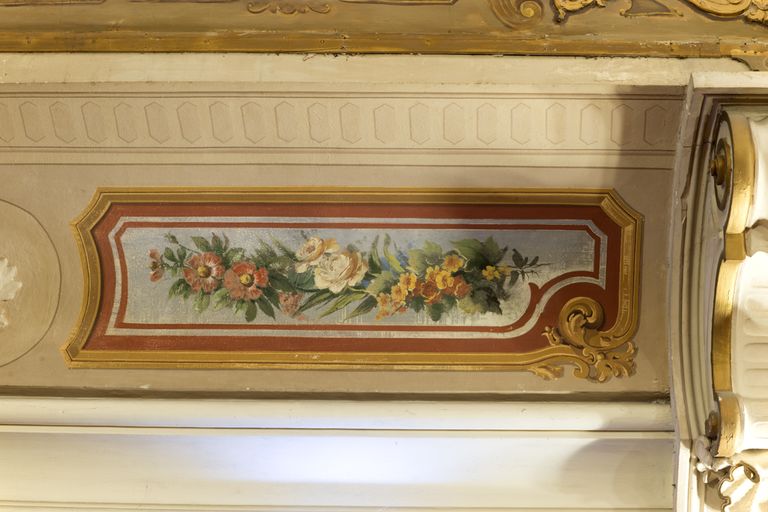
Bologna, Teatro A. Guardassoni, Collegio S. Luigi, particolare della decorazione (foto Andrea Scardova, IBC) 2017
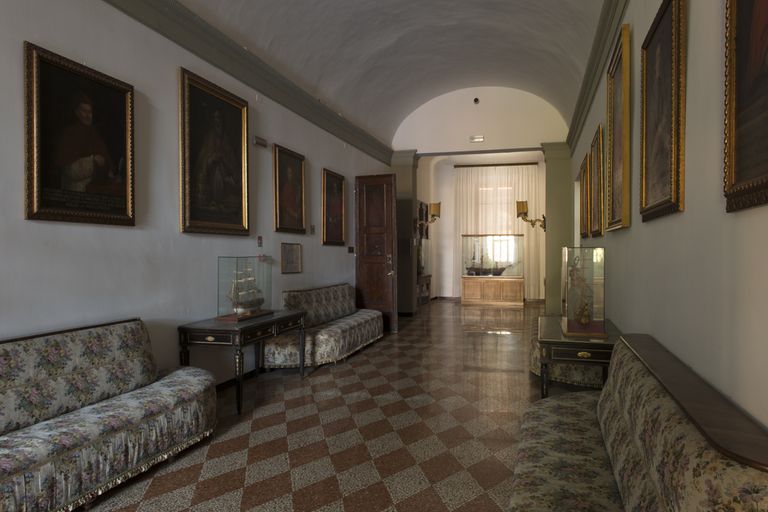
Bologna, Teatro A. Guardassoni, Collegio S. Luigi, corridoio d'accesso al teatro (foto Andrea Scardova, IBC) 2017
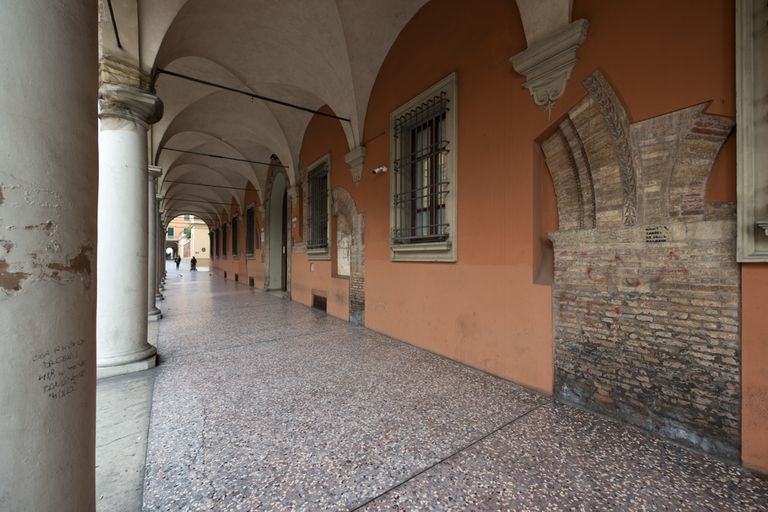
Bologna, Teatro A. Guardassoni, portico del Collegio S. Luigi dove ha sede il teatro, (foto Andrea Scardova, IBC) 2017
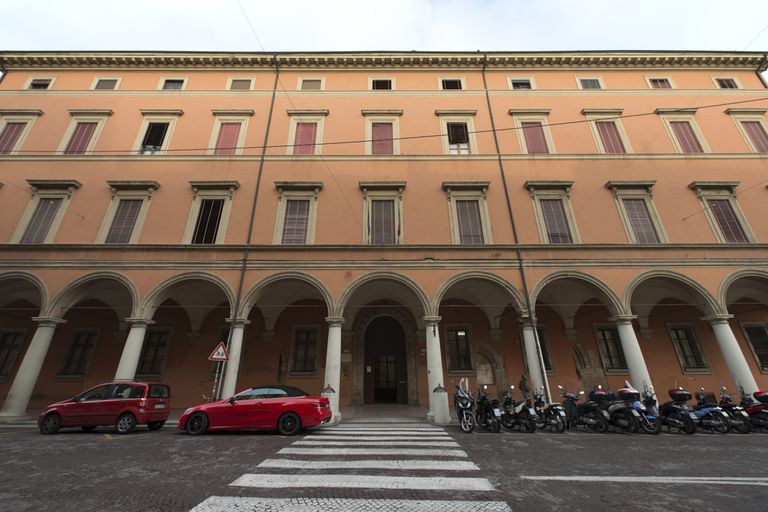
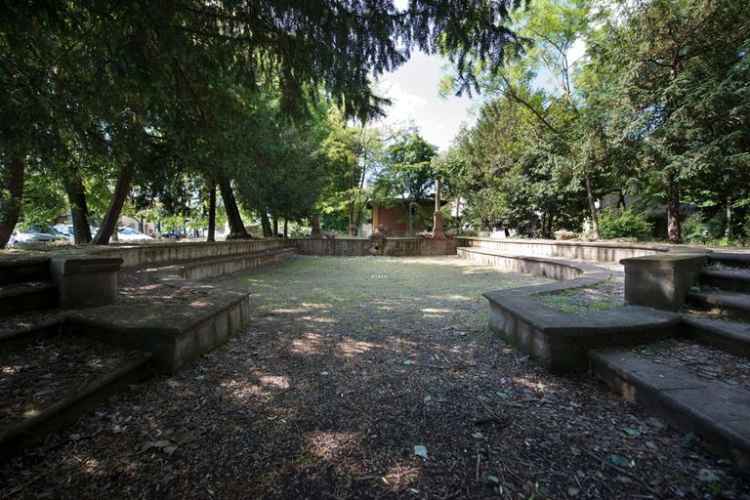
Bologna, Teatro A. Guardassoni, esterno del Collegio S. Luigi dove ha sede il teatro, (foto Andrea Scardova, IBC) 2017
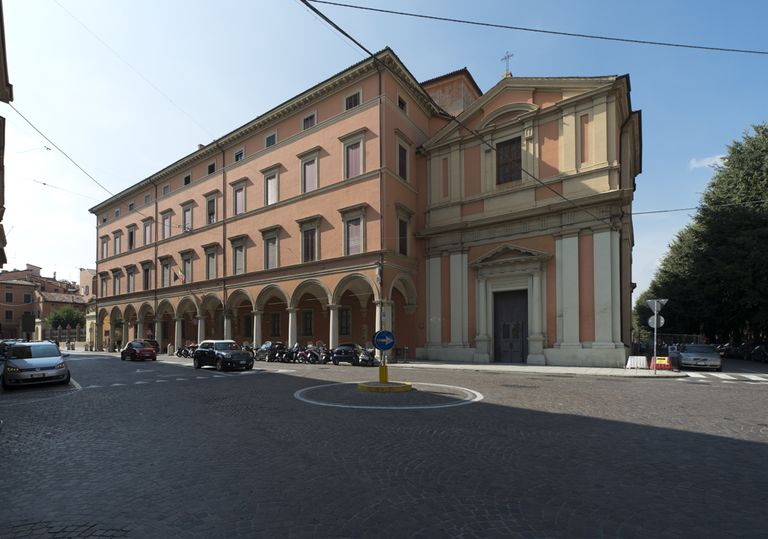
Bologna, Teatro A. Guardassoni, esterno del Collegio S. Luigi dove ha sede il teatro, (foto Andrea Scardova, IBC) 2017